
Politics
“Fiscal Cliff”: What Obama and Boehner stand for
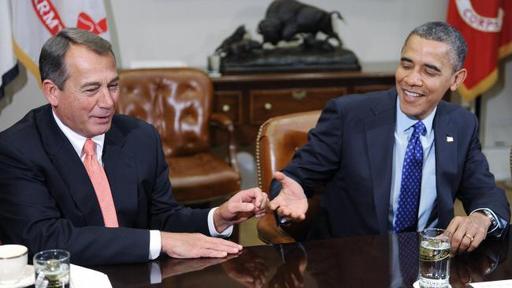
Boehner has offered about US$1 trillion in tax increases and about the same amount in spending savings. An earlier Boehner offer included US$600 billion in Medicare and Medicaid savings — well more than Obama — but it’s unclear whether the speaker is still seeking that figure.
Because of a dispute over how some savings are classified, Boehner says Obama’s offer is really US$1.3 trillion in higher taxes and only about US$850 billion in spending cuts.
The House speaker says Obama’s offer is not balanced because its new taxes and spending cuts are unequal. And he complains it does too little to control fast-growing benefit programs like Medicare, a chief driver of the federal government’s mushrooming deficits.
“The real issue here, as we all know, is spending,” Boehner said Thursday. “You go through all these discussions, I don’t think the White House has gotten serious about the big spending problem the country faces.”
The two men’s differences work out to US$200 billion over 10 years in taxes, and about the same in spending, depending on whose numbers are used. Either way, their gap is less than 1 percent of the money the government will spend and tax anyway.
“They’re a couple hundred billion apart. This is absolutely senseless,” said Senate Majority Leader Harry Reid, D-Nev., insisting Boehner should compromise. “These are gyrations I’ve never seen before.”
There are other differences, too.
