
Politics
Central Bank of Kenya Ready to Support the Shilling
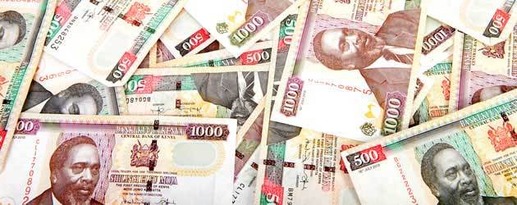
In a statement issued on its website, the Central Bank of Kenya (CBK) noted that recent pressure on the shilling exchange rate is seasonal. Moreover, the bank has reiterated that its foreign exchange reserves of $6.24 billion, or 4.4 months of import cover, “are sufficient to provide adequate cushion against temporary shocks”, while the forthcoming Eurobond will provide further support.
The monetary authority expects a normalization of the situation, but has said that it is ready to act in order to dampen volatility levels. Indeed, over the past few weeks, the CBK has intervened in the local money markets on many occasions in an attempt to reduce domestic liquidity levels and supporting the local unit.
Investor confidence has taken a knock following a maturity extension of a $600 million syndicated loan that was due to be repaid by the government on May 15. Due to the delays in issuing its maiden Eurobond, which was supposed to finance repayment of the loan, the government decided to extend the maturity of the loan until August 15.
Fitch Ratings has indicated that the loan extension “highlights the refinancing risk that some African countries face as they take on increased amounts of non-concessional market debt”. The rating agency added that, while in some circumstances the rescheduling of a bank loan can constitute a default, this is not the case in this instance since “the creditors had proactively offered this option to the authorities as part of a debt and reserves management operation, and it is not the case that without the extension, a missed interest or principal payment would be likely. It will therefore have no impact on Kenya’s sovereign rating”.
If the Eurobond is not issued by August 2014, Kenyan authorities will repay the syndicated loan out of their reserves. Kenya’s Eurobond issuance has been delayed by both market conditions (rising yields) and technical issues. The latter relates to the payment of $16 million for deals undertaken in the 1990s that are believed to have been corrupt; a UK court has ruled that the payment must be made, but it first has to be approved by the Kenyan Parliament, which is in recess until June 2.
Kenya cannot issue debt on international markets until the payment has been made. The delay in issuance may come at fiscal and reputational costs, which may heighten refinancing risk and increase the borrowing costs of non-concessional debt. Meanwhile, while seasonal factors have certainly contributed to pressure on the shilling, the negative effect on Kenya’s tourism sector, an important foreign exchange earner, caused by increased terror risk cannot be denied.
In response to a spate of bomb attacks in recent weeks, a number of countries have issued travel advisories against Kenya. The travel warnings by the Western governments and the US Embassy’s decision to move staff out of the country are bad news in this sense, even if the bombings themselves are not more concerning than previous attacks.
