
Politics
CARICOM Leaders accept Caribbean Reparatory Justice Program as basis for further action on reparations
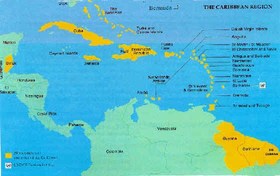
A Caribbean Reparatory Justice Program (CRJP) has been accepted by the Caribbean Community (CARICOM) Heads of Government as a basis for discussions on reparations from slavery and native genocide.
The current CARICOM chairman, Ralph Gonsalves – the Prime Minister of Saint Vincent &the Grenadines made the disclosure during a press conference following the inter-sessional meeting of the Conference of the CARICOM Heads of Government which was held between March 10 and 11 in St. Vincent & the Grenadines.
The CARICOM Chairman said that the Caribbean Reparatory Justice Program was a strategic and operational plan which consisted of 10points prepared by the Regional Reparations Committee. He further outlined that a request for a full apology from the governments of Europe involved in the transatlantic slave trade, the establishment of Caribbean Cultural institutions, an education program specifically to address illiteracy and debt cancellation were among the recommendations in the CRJP.
Gonsalves advised that this action plan would be discussed in further detail by the Prime Ministerial Subcommittee on Reparations under the chairmanship of the Prime Minister of Barbados. He said the Heads also expressed support for the convening of a conference between Caribbean and European leaders which would provide an opportunity for in depth discussions on reparatory justice.
Another outcome of the inter-sessional Meeting was a mandate for the establishment of a Commission that would shape the Caribbean Community’s Strategy on Human Resource Development. Gonsalves said the strategy would form the basis for action by Member States and create the framework for the CARICOM Education Agenda.
“We are not starting with a blank slate. We are building upon work which all of us have been engaged in to carry out transformative revolutionary work in the field of education” he said.
A holistic approach to addressing the challenges was recommended. Matters such as enhancing the quality of regional education systems and the creation of a seamless globally competitive education system were also among the topics discussed.
Source: Caribbean Community Secretariat
