
News
Caribbean Court of Justice Celebrates 20 Years of Upholding Justice and Shaping Regional Identity
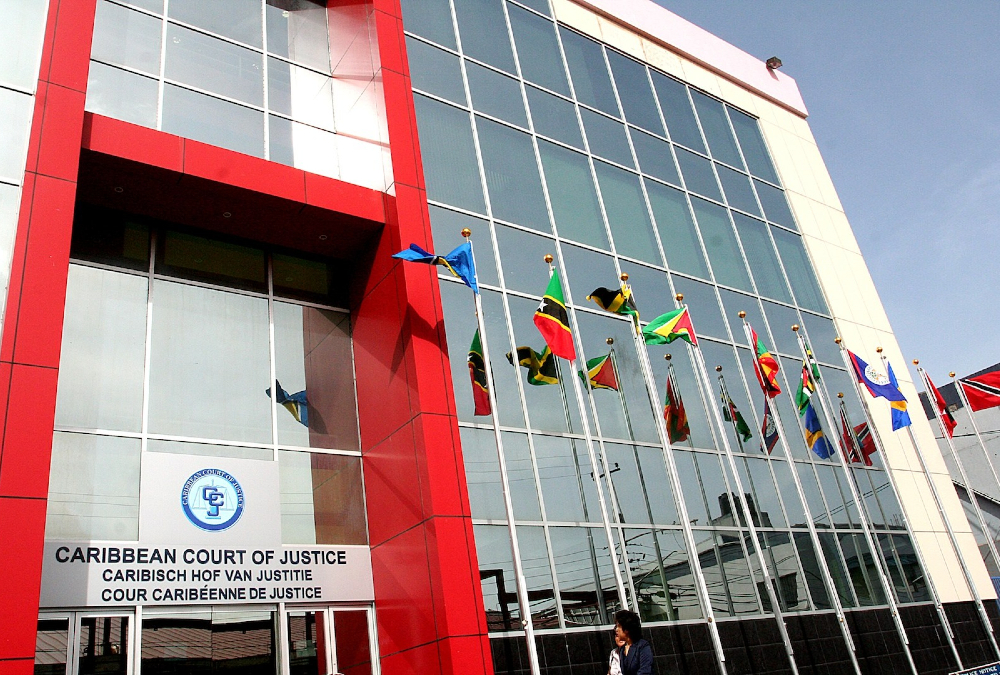
Last week, the Caribbean Court of Justice (CCJ) marked a significant milestone, celebrating its 20th anniversary with pride and reflection. Established in 2005, the CCJ has grown into a cornerstone of the Caribbean’s legal landscape, serving as the region’s final appellate court and the guardian of the CARICOM Single Market and Economy (CSME).
Over the past two decades, the Court has delivered over 400 appellate judgments and issued 37 landmark decisions in its original jurisdiction, addressing critical issues such as constitutional rights, trade disputes, and the free movement of CARICOM nationals.
The anniversary celebration was not just a moment to commemorate the Court’s achievements but also an opportunity to recognize its profound impact on the region. CCJ President, the Honourable Justice Adrian Saunders, expressed deep gratitude for the institution’s steadfast commitment to justice, innovation, and independence.
“This is a time to reflect on how far we’ve come and to reaffirm our dedication to upholding the rule of law and protecting the rights of all citizens across the Caribbean,” he said.
Justice Saunders’ sentiments were echoed by Commissioner Sophia Chote, who lauded the CCJ’s unwavering pursuit of excellence. She highlighted the Court’s pivotal role in advancing legal education through initiatives like the CCJ Academy for Law, which has become a beacon for nurturing future generations of Caribbean legal minds.
“The CCJ has consistently set high standards, not only in its rulings but also in fostering a deeper understanding of the law among practitioners and scholars,” Chote remarked.
Beyond its judicial functions, the CCJ has been hailed as a vital institution in safeguarding democracy and fostering a unique Caribbean identity. By interpreting regional treaties and ensuring compliance with the principles of the CSME, the Court has played an instrumental role in promoting economic integration and social cohesion across member states.
Its decisions have often reinforced the values of fairness, equity, and human dignity, resonating deeply with the aspirations of the Caribbean people.
As the CCJ looks ahead to its next chapter, it stands as a testament to the region’s resilience and determination to chart its own course. The Court’s journey over the past 20 years serves as both an inspiration and a reminder of the importance of strong, independent institutions in building a just and prosperous society.
With its continued focus on justice, innovation, and regional unity, the CCJ is poised to remain a beacon of hope and progress for the Caribbean for decades to come.
