
Politics
Bank of South Sudan Increases Capital for International Banks
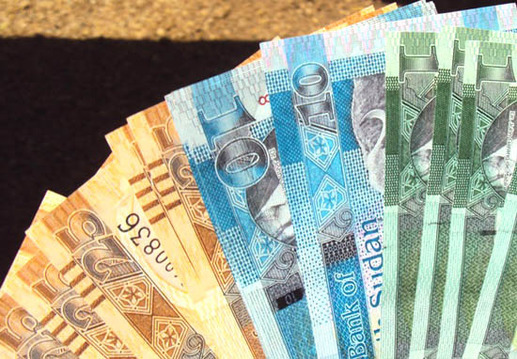
The Bank of South Sudan has increased paid up capital for international banks to $25 million. The crisis-hit country expects all affected banks to comply by December 2014. Regardless of the escalating violence in the East African country, the country’s central bank says the new capital base would increase further to $30 million after one a year later.
The Bank of South Sudan intends to use the protect deposits mobilized in the oil rich country by ensuring the banks are well capitalized to absorb shocks that may interfere with their businesses. The regulator said sanctions such as suspension from foreign exchange allocation and denial of licenses for branch expansion would be imposed on banks that fail to comply with the requirements.
Following the announcement, Kenya Commercial Bank (KCB) confirmed it will inject more capital into South Sudan. “This capital will be increased in phases. By end of March, we increased it by $5 million to $20 million and by end of year this will be increased to $25 million. By December 2015, this will be increased by another $5 million to $30 million,” Kenya media platform, BusinessDaily quoted Judith Odhiambo, KCB’s head of corporate and regulatory affairs as saying.
Another Kenyan bank, Equity, doubled its investment in the country last year to Sh2.5 billion ($28.8 million), leaving little to add to make the $30 million mark. The bank’s continued investment in the crisis-hit country seems strategic, as chief executive, James Mwangi noted that conflicts favour large banks because people move their savings to financial institutions they consider more stable. With the new regulation, international banks in the country would have cash held up despite dwindling investor confidence due to violent ethnic crisis which has hit South Sudan since 2011.
Thousands of deaths have been recorded over the past two months from fighting that began in mid-December 2013 as a political dispute between President Salva Kiir and his former deputy president, Riek Machar, according to a report by the United Nations (UN). Such environment is unfriendly for investment, with potential for business failure high; but banks willing to continue operating in South Sudan must comply with the recapitalization of $30 million.
However, analysts usually associate higher risk exposure with higher returns, a situation some of the international banks in South Sudan would be leveraging on, especially the ones from Kenya, as businesses from East Africa’s largest economy have in the past succeeded in South Sudan against all odds.
“The news flow out of South Sudan is surely set to delay the entry of competition into the country’s banking sector. Therefore, existing banks will enjoy spread expansion and even super-normal profits for longer,” analyst, Aly- Khan Satchu said. The banks that stay on in South Sudan will however be ready for the risks that come with operating in a ‘war zone’. KCB was last year forced to shut down 4 branches in South Sudan after violence impeded banking operations.
Other international banks in South Sudan include Commercial Bank of Ethiopia and Togo headquartered Ecobank, but neither has shown signs of wanting to pump in more money for the recapitalization. Many banks will be carefully considering the risks involved before committing more cash to operations in South Sudan, as the International Monetary Fund has warned that challenges in one business unit could drain a company as it pumps more cash in a bid to salvage the operation.
Copyright Ventures Africa 2014
