
Politics
Africa’s ‘Clean Energy Corridor’ Sparking Cross-border Cooperation
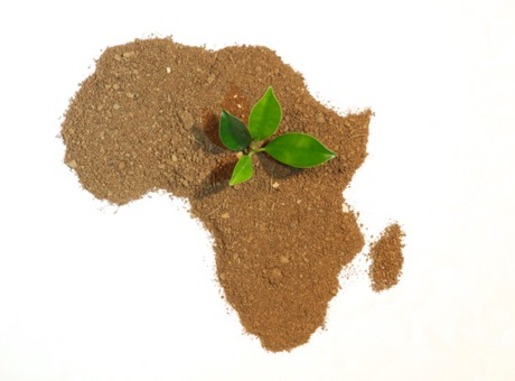
Showing progress towards greater cross-border cooperation to develop renewable energy projects, energy ministers from 19 countries are pushing ahead with the creation of the Africa Clean Energy Corridor.
“The Africa Clean Energy Corridor will provide the continent with the opportunity to leapfrog into a sustainable energy future,” Adnan Z. Amin, International Renewable Energy Agency’s Director-General said at a January meeting launching the project. “The dynamic development that Africa will see in the next decades needs to extend to the energy sector, and Africa’s abundant renewable energy resources are a perfect match to meet rising demand in a sustainable and cost-effective way – from Cairo to Cape Town.”
Spearheaded by the International Renewable Energy Agency, the Africa Clean Energy Corridor would create a 5,000-mile north-south electricity transmission grid stretching from Egypt through Sudan, South Sudan, Ethiopia, Kenya, Malawi, Mozambique, Zambia and Zimbabwe to South Africa.
Of particular importance is the Ethiopia to South Africa line to be completed by 2020. Another priority project is the 2,300-mile Central Africa Transmission Corridor linking the Democratic Republic of the Congo to South Africa through Angola and Namibia, and north to Chad through Equatorial Guinea, Gabon and Cameroon.
The second stage of development through 2040 involves the interconnection of all these power corridors into one continuous power grid linking clusters of renewable energy projects to the West African Power Pool grid, which links Ghana to Ivory Coast, Togo, Benin and Nigeria.
According to the International Renewable Energy Agency, the goal Africa Clean Energy Corridor is to promote a “regional approach to developing the vast renewable energy resources that will help optimize the energy mix and attract more investment.” A World Bank report, Turning the Lights on Across Africa, notes that regional power planning and power trade can address the continent’s chronic struggle for adequate and affordable electricity generation.
