
Politics
World Bank Endorses Zimbabwe’s Socioeconomic Transformation Agenda
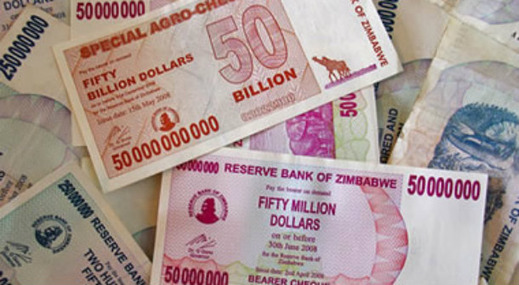
Zimbabwe’s latest economic blueprint, the Zimbabwe Agenda for Sustainable Socioeconomic Transformation (ZimAsset), received a critical boost after the World Bank endorsed it. ZimAsset, sponsored by President Robert Mugabe’s ruling Zanu PF party, is now in its second of five years, focuses on four pillars: food security and nutrition, social services and poverty reduction, infrastructure and utilities and value addition and beneficiation.
It has a two-pronged approach, the quick fix, 2013 to 2015, and the long-term strategy, ending in 2015, dealing with the woes confronting the economy. The government requires at least $27 billion to fund projects under ZimAsset, but it has been struggling to attract the required funding, largely due to policy inconsistencies in the country.
World Bank business reform manager, Marcus Sheurmaier said the blueprint is in line with recommendations of the Doing Business Report. “World Bank applauds ZimAsset in implementing reform. The Doing Business Reports 2013 recommendations are in line with ZimAsset,” he said. Sheurmaier then concluded, “Zimbabwe has a lot of potential in terms of human capital and improving the investor atmosphere.”
The southern African country was last year ranked 170 out of 190 economies in the world and 33 out of 47 Sub-Saharan in the Doing Business reports. But the thumbs up came with some tempered criticism. Sheurmaier advised that Zimbabwe should strive to cut the time of starting a business, which is 90 days.
Relations between Zimbabwe and the Worlds Bank and foreign financial lenders have been frosty over the years with financial lenders holding back vital aid to Zimbabwe since 2000, when the country defaulted on servicing its foreign debt and over policy differences.
Since then Zimbabwe’s economy went on downward spiral, with unemployment reaching an estimated 90% and millions in need of food aid. Under ZimAsset the government promised to create 2,265 million jobs across key sectors of the economy and contribute to export earnings, food security and to the fiscus among many other pledges including urban housing.
It said during the next five years it would build 250 000 low income housing units, 1 250 public houses, 2 500 shell factories, 310 clinics and 300 schools, in addition to the provision of flea and vendor market stands. But hundreds of companies are currently closing shop, throwing tens of thousands of workers onto the streets to join the teeming ranks of the unemployed.
