
Politics
Obama Term II: President to stand his ground on fiscal debates
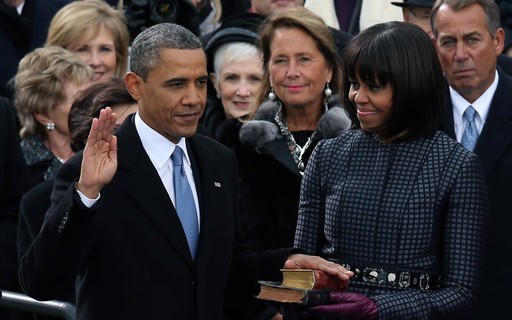
“Inaugural addresses are intended for the ages, not for a particular moment,” said Matt Bennett, a former aide to Al Gore and a vice president of the Democratic-leaning group Third Way. “We will have to wait for the State of the Union, which is addressed directly to Congress, for a clearer sense of what he wants to do in the near-term and how he wants to get it done.”
Obama’s State of the Union address is scheduled for February 12.
Obama and his aides approached the inaugural speech with a belief that the president had replenished his political strength with his re-election and with his end-of-year deal with Republicans that raised upper-income tax rates on some of the wealthiest Americans.
What’s more, Obama delivered the speech as House Republicans were backing off earlier threats to withhold an extension of the nation’s borrowing limit if not accompanied by sharp reductions in government spending. Instead, House leaders plan a vote Wednesday to raise the government debt ceiling through May 18 to avert a first-ever default on U.S. obligations.
That retreat, welcomed by the White House, takes the biggest potential crisis off the immediate horizon. But Obama and congressional Republicans still face two other fiscal deadlines: March 1, when steep automatic spending cuts in defense and domestic programs are scheduled to kick in, and March 27, when the current authority to keep government operating runs out. And then, on May 18, another debt limit crisis will loom.
“It’s a matter of how you interpret it,” said Jared Bernstein, the former chief economist for Vice President Joe Biden. “If you believe the Republicans will make the debt ceiling crisis a quarterly event, then this is a bad outcome. The White House playbook is that there are now enough Republican grownups in the room they can hammer out deals.”
House Speaker John Boehner, R-Ohio, set a hopeful tone, declaring that the inaugural was a chance to “renew the old appeal to better angels.” Sen. Mitch McConnell of Kentucky, the Senate’s Republican leader, referred to the “transcendent challenge of unsustainable federal spending and debt. Republicans are eager to work with the president on achieving this common goal, and we firmly believe that divided government provides the perfect opportunity to do so.”
