
Politics
Obama announces new defense strategy
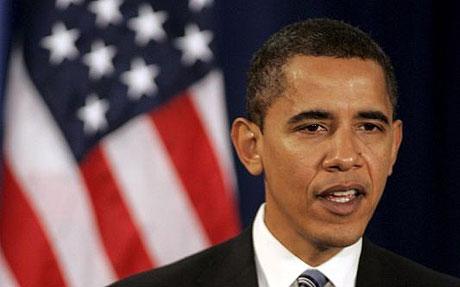
The strategy strongly suggests a reduced U.S. military presence in Europe, notwithstanding a continuing close relationship with NATO, and says Asia will be a bigger priority. It also emphasizes improving U.S. capabilities in the areas of cyberwarfare, missile defense, intelligence, surveillance and reconnaissance.
Obama’s decision to announce the strategy himself underscores the political dimension of Washington’s debate over defense cuts. The administration says smaller Pentagon budgets are a must but will not come at the cost of sapping the strength of a military in transition, even as it gets smaller.
In a presidential election year, the strategy gives Obama a rhetorical tool to defend his Pentagon budget-cutting choices. Republican contenders for the White House already have criticized him on a wide range of national security issues, including missile defense, Iran and planned reductions in ground forces.
Obama also wants the new strategy to represent a pivotal point in his stewardship of defense policy, which has been burdened throughout his presidency by the wars he inherited and the drag these conflicts have placed on military resources.
The new strategy moves the U.S. further from its longstanding goal of being able to successfully fight two major regional wars, like the 1991 Gulf War to evict Iraqi forces from Kuwait or a theoretical ground war in Korea, at the same time.
The document released Thursday made clear that while some current missions of the military will be curtailed, none will be scrapped entirely.
“Wholesale divestment of the capability to conduct any mission would be unwise, based on historical and projected uses of U.S. military forces and our inability to predict the future,” the document said.
It said the U.S. will maintain a robust nuclear arsenal but hinted at reductions.
