
Politics
Grenada elections 2013 update: Ruling National Democratic Congress releases manifesto
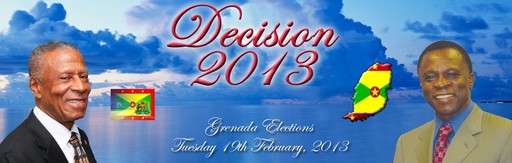
The ruling National Democratic Congress of incumbent Prime Minister Tillman Thomas, yesterday launched its manifesto for the February 19 general elections, outlining new initiatives in various sectors of the economy and telling voters it is the best party to continue the socio-economic development of Grenada.
“We are the best party to build a nation that is free, a land of equal opportunity, a land of tolerance, fair play and prosperity,” Finance Minister Nazim Burke said at the launch of the manifesto, which indicates that Grenada’s future lies on five pillars of development including tourism, agri-business, energy and education.
“We believe it is possible, we believe the foundation, the most important prerequisite for achieving it is a government that is honest, that is committed to the principles of good governance, a government that is committed to transparency – a government that is committed to account to the persons who elected them, a government that believes in integrity in public life, a government that will show respect for the institutions of the country and a government that will show respect for the rule of law.”
He said the National Democratic Congress would seek to maximize the island-nation’s human resources, to achieve fiscal stability and sustainability, as well as ensure that the government “ in its operations through sound management would get value for money.
“At the end of the day every time we spend it is your money and we must ensure that it is well spent and that we get value for money,” he said.
Burke told an audience that also included Prime Minister Thomas, that when the party came to office in 2008, it found an economy in shambles and high unemployment.
He said the policies of the government over the past four and a half years have resulted in safety nets for the disadvantage and vulnerable, adding “we are able to say with pride that today Grenada is the country that has the largest allocation on social development programs per capita in the Western hemisphere”.
