
News
Ghana presidential vote extended for second day after technical glitches
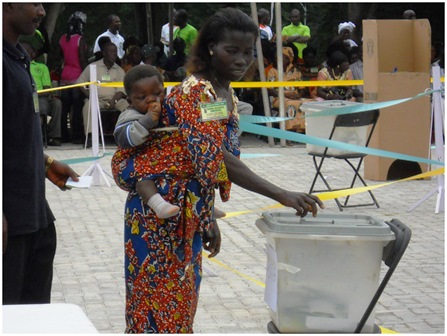
Ghanaians are also electing a parliament, where Mahama’s National Democratic Congress (NDC) has enjoyed a slim majority.
Ghana has had five peaceful and constitutional transfers of power since its last coup in 1981.
While economic woes grip Europe and the United States, Ghana, also a major cocoa and gold producer, is expected to post economic growth of about 8 percent next year and is increasingly praised by investment bankers and fund managers.
“These elections are important not just to Ghana, but for the growing number of states and actors seeking to benefit from increasing confidence in Africa,” said Alex Vines, Africa Research Director at Chatham House.
Across the capital Accra, evidence of the resource wealth abounds: brightly lit multi-storey buildings, cranes looming over new construction sites, well-paved roads, and billboards advertising banks, cars and mobile phones.
Akufo-Addo, a trained lawyer and son of a former Ghanaian president, has criticized the ruling party for the slow pace of job creation and the fight against poverty, and says he would use oil money to pay for free primary and secondary education.
Mahama, meanwhile, says he aims to boost Ghana’s per capita annual income to US$2,300 by 2017 – double that in 2009.
But in a country where campaign messages rarely influence voting choices, many believe most of the 14 million voters will cast their ballots based on ethnic, social or regional ties.
