
Politics
Ghana Central Bank set to raise interest rates to curb inflation
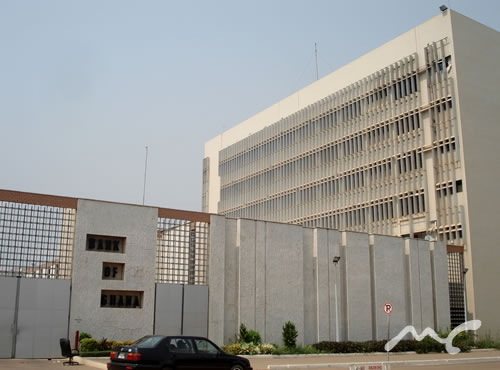
Ghana’s central bank is likely to raise its policy rate by at least 100 basis points on Thursday to 17 percent in a drive to tame inflation and stem a slide in the currency, analysts suggest. Such a move to tighten would be in line with central banks in India, Turkey and South Africa who raised rates in January to support their weakening currencies.
The decision by the U.S. Federal Reserve to roll back its bond buying has left some emerging markets shaken, even though they have been supported by the Fed stimulus. Bank of Ghana Governor, Henry Wampah, advised Reuters he brought the rates decision forward from February 19 in response to external pressures.
Traders said the cedi’s 4.7 percent fall since January was also a key initiator causing the Bank to act. On Tuesday, Yvonne Mhango, a research analyst at Renaissance Capital (located in Johannesburg) advised, “We are projecting a 100 basis point hike to 17.0 percent but recognize that there is upside risk to this view – i.e. they could hike by more than 100 basis points.”
Four other analysts echoed Mhango’s view and some even stated that the rise could be up to 200 basis points. Currently, the interest rate has been held three times since it was raised from 15 percent last May. However, since then, the cedi has depreciated 22.4 percent and inflation has climbed from 10.9 percent to 13.5 percent in December.
Ghana is seen as one of Africa’s strongest economies because of its stable democracy and sustained growth above 7 percent since 2010, powered by gold, cocoa and oil exports. But the government faces pressure to alter economic course because its efforts to tame a budget deficit, which include cuts to utility and fuel subsidies, along with currency depreciation and inflation, have lowered business confidence.
The government says strong dollar demand has weakened the currency but the rise in inflation is due mainly to the impact of subsidy cuts, which is says is short term. However, some economists criticize what they say is the government’s too-lax attempts to address fiscal problems and Morgan Stanley, on Tuesday, indicated fears that any additional measures taken by the Bank might be too hasty.
“The Committee is likely to announce a series of ad hoc macro-prudential measures complemented with aggressive tightening aimed at addressing the symptoms of the currency’s weakness rather than a well thought-out and fundamentally sound rescue package,” said Morgan Stanley in a research note.
