
Politics
We have got the African continent talking says African Union chief
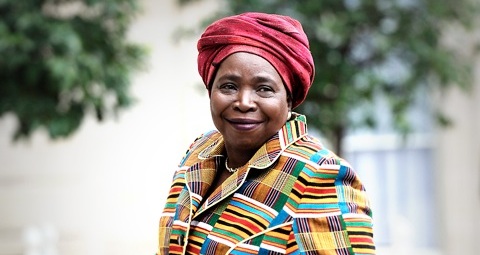
A special interview by The Africa Report:
Sixteen months into her mandate, Dlamini-Zuma, Head of the African Union, is encouraged by consultations on the future and the reform of the commission.
The Africa Report: What do you feel has been you biggest achievement so far?
Nkosazana Dlamini-Zuma: To have the continent talking. Together with the Economic Commission for Africa and the African Development Bank (AfDB), we have been looking at Agenda 2063 [the African Union’s strategy and vision for the next 50 years] not just with intergovernmental organisations but people from different sectors, thinking and focusing on the future. At the January summit we will present what has come out of these discussion, dialogues and consultations and then give it to the heads of state. Governments will be discussing something that comes from the ground first. We have been able to present a strategic plan for 2014-2017 and identify priorities. We will continue refining it and by June it will be adopted. The AfDB is in the process of establishing an equity fund – the Africa50 fund – to support Agenda 2063, especially infrastructure development.
What progress have you made in reforming the commission?
We are looking at fundamental things like the way the African Union (AU) is structured in terms of personnel. There are things we are trying to entrench, like keeping time at summits, starting on time and getting documents on time, translated and so on – to have the culture of work. Sometimes people think that you only have to address the financial side, but we should also address how time is used, to begin to look at outcomes-based work.
What progress has there been on making the AU Commission less dependent on foreign donors?
For the first time, the heads of state actually discussed the [funding] issue themselves. We were asked to establish an AU foundation, which we are in the process of doing. Some countries just wanted to increase their contribution. They didn’t want to get into alternative sources of funding. Others don’t want to increase their contribution but want to look at alternative funding. It’s the modalities that need to be discussed more. If you say you are going to tax hotels, some of the small island states who really depend on tourism feel that maybe that will disturb their tourism. We have to find a way where people can contribute without making it a uniform approach.
