
Politics
Goodluck Jonathan Advises African Leaders On Industrialization Plan
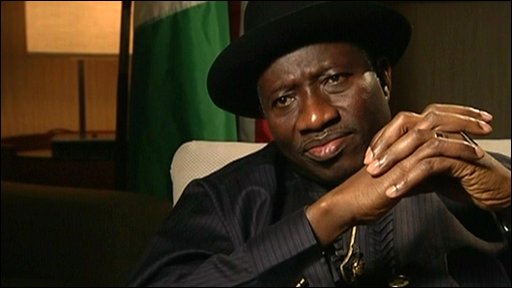
President Goodluck Jonathan on Saturday said African leaders should prioritize the structural transformation of African economy if they must achieve regional industrialization initiative. Jonathan said this in Abuja at the 7th Joint Annual Meeting of the Economic Community of African Conference of African Ministers of Finance.
He said, “The theme of this conference, industrialization for inclusive and transformative development in Africa is of special relevance to Africa at this time…. Here in Nigeria it corresponds with the transformation agenda and ongoing program of national renewal… The structural transformation of African economy must continue to be a core priority to close the poverty gap and industrialization must be key for transformation.”
He said African economies in the 1980s and 1990s had gone through many challenges and saddled with high foreign debts. According to him, the GDP growth of most countries was about two per cent on the average but has reversed recently. He then added, “Our foreign debts are in decline and the foreign direct investments are positively coming up in the continent…. In fact, African Diaspora are also investing robustly in our economies and in the past decade African economy has grown to about five per cent.”
He noted that the benefits of the positive economic growth had been restricted by inequality, noting that countries must work together for the benefits to spread to the grassroots. He also said that although many of the African economies had been classified as middle income, frontiers and MINT economies, they still shared common challenges.
He noted that some of the challenges which needed to be fixed included job creation, industrialization and building social safety nets. “We need to focus on industrialization as a backbone for our structural transformation,” he added. Jonathan then noted that the impact of industrialization in countries such as Malaysia, Taiwan, and Brazil among others remained relevant adding that Nigeria had continued to learn from them.
He then went on to indicate that the launch of the industrial plan was to boost the sector from four per cent of GDP to 10 per cent by 2017. He said the plan focused on four areas of light manufacturing, agro business, petrochemicals as well as solid minerals and metals. This, he said, might not take off until the nation’s infrastructure was fixed adding that same would be applicable for the continent.
He also stated that Nigeria had made infrastructure core priority and had transparently done the power sector privatization and the launch of the construction of N117 billion second Niger bridge. He called for effort to ensure that positive economic growth in the region was translated to jobs to change the lives of Africans.
Furthermore, he stated, “As we grow our economies it’s our obligation that we carry everyone along; we can learn from some of the social program introduced by Latin American countries… We must ensure that the social protection programs will become financially sustainable and also reach the reality of those that need our support.”
