
Politics
Reforms at the Heart of Rwanda’s Economic Transformation
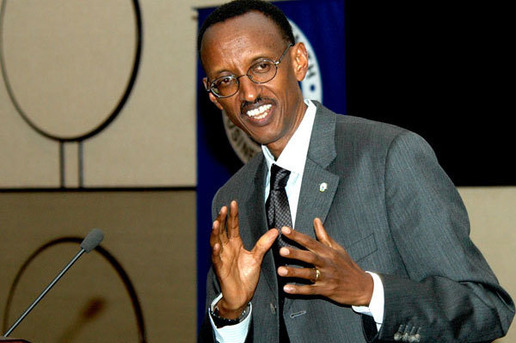
Rwanda has committed itself to driving policies and reforms that will attract investment and promote growth in the country. According to Rwandan President Paul Kagame, “It’s how we do business in the country. We went into detail; what is it that investors are looking for, what makes transactions in a business or the process of attracting investments less costly, and therefore make it more attractive as well as profitable. It’s about investments in infrastructure.”
He went on to say, “We invested our time and other resources in creating institutions that back the kind of good governance we intend to have in our country, to allow all these things to happen. It’s really full time concentration on a number of priorities. This we have been doing for a number of years and that’s how Rwanda has ranked among the first in reforms carried out in this area, globally.”
According to food security initiative, Feed the Future, agriculture is the foundation of the Rwandan economy. It accounts for one-third of the country’s GDP and employs nearly 80 per cent of its labor force. Kagame indicated that a sustainable agricultural environment is based on ensuring that the sector contributes to food security as well as income.
Kagame then went on to say, “Agriculture has many aspects to it and, as all the economies will tell you, agriculture has meant a lot in terms of growth of our economies in the past, and that is likely to be the case for the future. Agriculture is the mainstay of many countries in the continent of Africa, and beyond,” he said.
He continued, “With this, it’s not just about food for people in Africa or to use it for their own consumption or for nutrition. We look beyond that to agriculture being a source of income to the farmers. We focused on this as an area and made sure that the policy framework is very clear. We have identified the inputs that need to be there for agriculture to thrive and as agriculture thrives, the population benefits, and a big chunk of the economy goes into that and contributes to our GDP.”
He added that looking at resources management in agriculture as well as how it links to the markets has benefitted the country and its economy as well. Regional integration in the East African Community (EAC) has also played a key role in advancing Rwanda’s economy.
Kagame went on to explain, “Rwanda, or me personally, we participate actively but many others in the region also understand the importance of regional integration. If you look at five countries in the East African community: Kenya, Uganda, Tanzania, Burundi, Rwanda – taking one country individually, we become very small but taken together, this is a region of 140 million people.”
