
Politics
Naira in Focus as New Central Bank of Nigeria Governor Starts Work
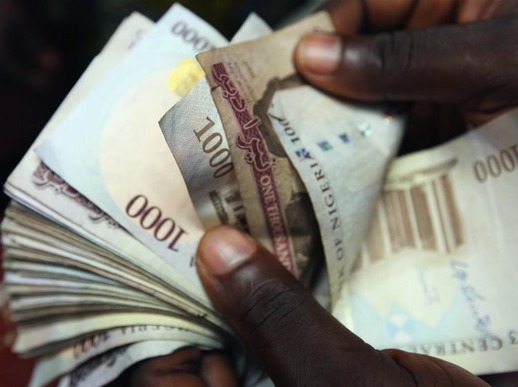
Nigeria’s new central bank governor began work on Tuesday, starting a fresh chapter in Africa’s biggest economy after his predecessor’s tenure ended in scandal and claims of political connivance. Godwin Emefiele took over from Sanusi Lamido Sanusi, who was removed in February, four months from the end of his term of office, on government charges of financial recklessness and impropriety.
The nomination of former Zenith Bank chief Emefiele’s came as a surprise to many market watchers and his first day at the helm was low key, although he is expected to speak later this week. From the outset, he is seen as likely to build on Sanusi’s policies, which are credited with bringing relative stability to the banking industry and putting it on a sound footing.
In his only public comments since his appointment, Emefiele told lawmakers in March: “Growing the economy of Nigeria is a very important assignment other than just a core mandate of ensuring that we have a stable environment.” Macro-economic stability would be his watchwords and the central bank would work hard to drive down inflation and interest rates as well as tackle unemployment, he added.
“Emefiele is a capable hand who will restore public confidence to the system,” Pat Utomi, a professor of political economy at the Lagos Business School, advised. Utomi also stated, “He is a very quiet person and likes to work behind the scenes. Central banking is not about craving publicity but to set the tone for macro-economic policies as well as serve as the watchdog for the financial system.”
Elections, inflation and stability
The central bank is legally independent of the government. Sanusi was an outspoken figure unafraid of controversy, which clouded his reputation for overhauling a rotten banking sector and stabilizing the local currency and earned him powerful enemies. His suspension, effectively a sacking in all but name, came after he alleged that the state-owned Nigerian National Petroleum Corporation (NNPC) had misappropriated $20 billion of public funds.
Afterwards, he told AFP in an interview that President Goodluck Jonathan was a “simple man” doing his best who was surrounded by incompetent, fraudulent aides. He had also previously warned that his successor would have to guard against political interference in running the central bank.
