
Politics
Barack Obama: Mr. Regular; Mr. Likable.
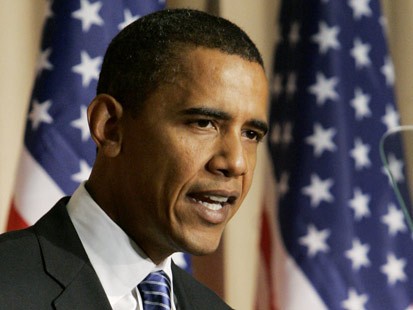
“It’s better to be liked or admired than not to be, especially when you’re in tough times,” said Democratic pollster Geoff Garin.
Added Republican pollster David Winston: “He has a clear track record at this point and that’s what his job approval reflects. He can’t avoid his record but it’s not like people are not willing to listen him.”
American politics has seen its share of presidents promoting their personal side, perhaps even more so in the Internet age, as they work to connect with voters. Many have waxed nostalgic about mixing with people outside the nation’s capital.
But with the country divided over his policies and worried about the economy, Obama may need to rely on his likability more than most.
His current personal approval ratings fall just below some of his predecessors at this point of his presidency.
In early October 2003, 60 percent had a favorable opinion of President George W. Bush, according to Gallup. By the 2004 election, the number had dipped to 51 percent as he won re-election.
Bill Clinton’s personal approval rating grew from 34 percent in April 1992, as he battled for the Democratic nomination, to more than 60 percent by the summer of 1992, according to Gallup. In late September 1995, as he sought a second term, Clinton had a favorability of 61 percent, according to an ABC News/Washington Post poll.
President George H.W. Bush’s favorable ratings exceeded 60 percent in mid-October 1991, according to an ABC/Washington Post poll. By the fall of 1992, his personal approval had fallen to the low 40s, according to Gallup, and he lost to Clinton.
How voters evaluate the personal and political sides of Obama will play a large role in next year’s election.
Ann Anderson, a college administrator in Homer Glen, Ill., voted for Obama in 2008 but said she would probably support either Republican Mitt Romney or Rick Perry next year.
