A Diaspora View of Africa
Global Insecurity Endangers Africa


By Gregory Simpkins
As we have entered 2026, the world community is experiencing heightened tensions and could lead to global conflict. As has been the case in the past, this would inevitably harm African nations even if they are not directly involved.
After all, Africans got drawn into World Wars I and II despite them primarily involving European, Asian and North American actors. African nations have not and will not be immune from the impact of conflict elsewhere in the world now either.
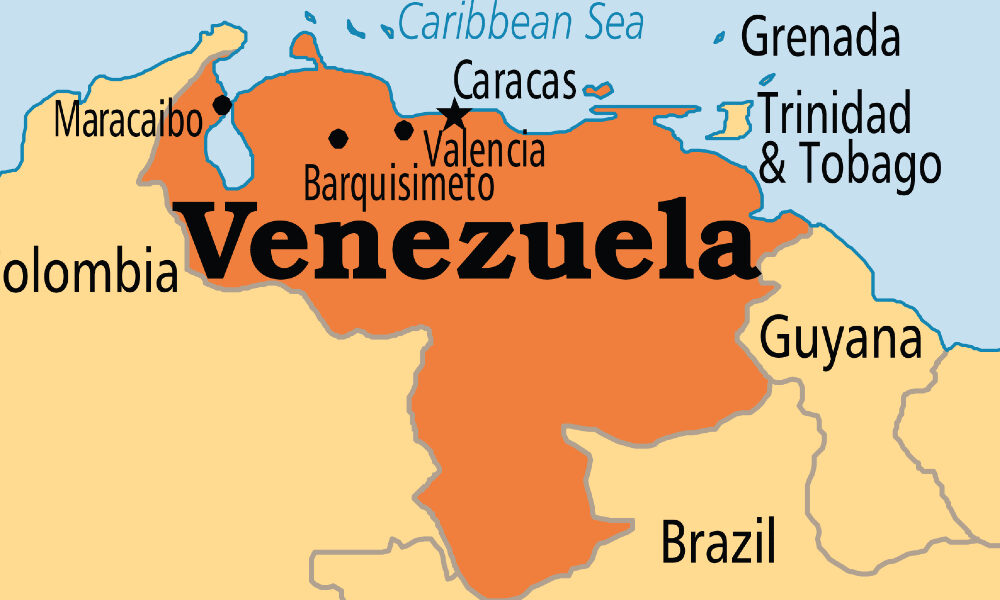
The latest crisis involves the US intervention into Venezuela in which that country’s president and his wife were arrested to be put on trial for drug smuggling and other crimes in the United States.
Even more troubling than this almost unprecedented action (President George H.W. Bush interceded into Panama in 1989 and arrested de facto ruler Manuel Noriega) was President Donald Trump’s pledge to “run” Venezuela until a proper transition could be arranged. As stated in a previous blog post, the Venezuela operation apparently has ignored US history in the Western Hemisphere.
If that were the only global crisis brewing, it could still affect Africa in some way, but there are alas other crises to watch. The Ukraine-Russia conflict, for example, has had a significant impact on African nations, primarily through trade disruptions, commodity price increases and tighter financial conditions, including:
- Food Insecurity: Africa relies heavily on Russian and Ukrainian wheat imports, with countries like Kenya and Egypt sourcing up to 85 percent and 67 percent of their wheat from these nations, respectively. The conflict has led to soaring food prices, pushing millions into food insecurity.
- Fertilizer Shortages: Russia and Ukraine are major fertilizer suppliers, and shortages have affected African agriculture, exacerbating food insecurity.
- Energy Prices: The conflict has driven up energy prices, putting pressure on national budgets and household finances.
- Economic Growth: Africa’s annual GDP could be US$7 billion lower due to these shocks, threatening post-pandemic recovery.
A Widened European Conflict?
In mid-December, German Chancellor Friedrich Merz compared Russian President Vladimir Putin’s strategy in Ukraine to that of Hitler in 1938, when he seized the German-speaking Sudetenland region of Czechoslovakia before pressing on to conquer a large chunk of the continent. “If Ukraine falls, he won’t stop. Just like the Sudetenland wasn’t enough in 1938,” Merz told a party conference.
That came days after the North American Treaty Organization (NATO) Secretary-General Mark Rutte made a speech warning that “conflict is at our door” and that “we must be prepared for the scale of war our grandparents or great-grandparents endured.” Rutte said that Russia could be ready to use military force against NATO within five years.
The head of the French military recently said that France was at risk “because it is not prepared to accept the loss of its children.”
Already, European security chiefs say that Russia has begun a covert “gray zone” assault on Europe, to try to damage its economy and sow confusion. Russia is suspected of being behind a string of sabotage on critical European infrastructure and military facilities, cyberattacks on businesses, as well as arson attacks on warehouses and shopping centers.
Russian drones have disrupted Polish airspace and jet fighters zipped over Estonia.
Russia has threatened retaliation against NATO for militarily supporting Ukraine in its conflict. It has become clear that European nations would like to weaken Russia even as its nations maintain energy ties. A wider conflict involving Europe could have severe consequences for Africa, including:
- Increased Energy Costs: Europe’s reliance on Russian gas could lead to higher energy prices and shortages in Africa.
- Trade Disruptions: Escalating tensions could disrupt global trade, exacerbating food and energy insecurity in Africa.
- Economic Instability: A broader conflict could lead to economic instability, decreased investment, and reduced economic growth in Africa.
A Broader Iran Conflict Has Dangers
Several months ago, the United States, following Israeli attacks on Iranian air defenses, presumably knocked out Iran’s nuclear capabilities – at least in the medium term. President Trump threatened a harsh response to the renewal of Iranian nuclear activity.
In late December, CBS News reported that Iranian President Masoud Pezeshkian promised a harsh response to any attack, appearing to respond to a warning the previous day by President Trump over Iran’s purported attempts to rebuild its nuclear program, suggesting that the U.S. could carry out new military strikes if Iran attempts to reconstitute its nuclear program.
“[The] answer of Islamic Republic of Iran to any cruel aggression will be harsh and discouraging,” Pezeshkian said in a social media post. Pezeshkian did not elaborate.
Meanwhile, anti-regime demonstrations spread from Tehran to other cities amid reports of an expanding death toll. President Trump warned in a social media post that if Iran “violently kills peaceful protesters, which is their custom, the United States of America will come to their rescue.”
Iran has threatened retaliation if the United States becomes involved in its internal affairs.
An expanded conflict involving Iran, the United States and Israel could have significant economic and security implications for African nations. Here are some potential effects:
- Oil Price Volatility: Africa’s heavy reliance on hydrocarbon imports makes it vulnerable to energy price fluctuations. Disruptions in the Strait of Hormuz could send oil prices soaring, affecting countries like Nigeria, Ghana and Senegal.
- Inflationary Pressures: Rising energy costs could lead to increased inflation, impacting food production, manufacturing and services.
- Currency Fluctuations: Global uncertainty could trigger capital flight, weaken African currencies and increase borrowing costs.
- Trade Disruptions: Red Sea shipping disruptions could affect African trade, particularly for countries like Egypt, which relies on Israeli gas imports.
- Proxy Warfare: Iran’s involvement in Sudan and potential support for regional proxies could escalate conflicts in North and East Africa.
- Regional Instability: Countries like Ethiopia and Somalia might experience increased instability due to external power competition.
There are, however, opportunities from a conflict involving Iran. Specifically, the conflict highlights the need for Africa to diversify its energy mix and invest in renewables.
Further, such a conflict would strengthen intra-African trade and cooperation, which could help mitigate external shocks.
The China Taiwan ‘Paradox’
The Guardian reported on January 1, that China’s president, Xi Jinping, has vowed to reunify China and Taiwan in his annual New Year’s Eve speech in Beijing.
Speaking the day after the conclusion of intense Chinese military drills around Taiwan, Xi said: “The reunification of our motherland, a trend of the times, is unstoppable.” China claims Taiwan, a self-governing island, as part of its territory and has long vowed to annex it, using force if necessary.
US intelligence is increasingly concerned about the advancing capabilities of China’s armed forces to launch such an attack if Xi decides the time is right.
The United States is not the only nation concerned about China’s intentions toward Taiwan. Japan has joined Australia, Britain, France and Germany in conveying concern over escalating tensions in the Taiwan Strait following two days of large-scale Chinese military exercises around the democratic island.
Japan’s Foreign Ministry said Wednesday that Tokyo had presented its concerns to the Chinese side over the drills, which it said “constitute actions that increase tensions across the Taiwan Strait.”
A conflict involving China and Taiwan could have significant ripple effects on African countries, primarily through economic channels.
- Trade Disruptions: Africa relies heavily on global trade, and disruptions in the Taiwan Strait could impact shipments of critical goods, including electronics and machinery. Countries like South Africa, Nigeria and Egypt might face shortages or increased costs.
- Commodity Prices: A conflict could drive up commodity prices, affecting African economies that rely on exports like oil, minerals and agricultural products.
- Investment and Finance: Reduced global trade finance and investment could impact African countries, particularly those with ties to China or reliant on Chinese investment.
- Global Economic Slowdown: A broader conflict could lead to a global economic slowdown, reducing demand for African exports and impacting economic growth.
Some African countries might be particularly vulnerable due to their trade relationships with China. South Africa has significant trade ties with China, particularly in mining and manufacturing.
Nigeria is reliant on Chinese investment in infrastructure and energy. And Egypt has significant trade relationships with China in the areas of textiles and electronics.
Decades of colonial and neocolonial relationships and dependence on foreign development assistance have made Africa especially vulnerable to foreign entanglements in conflicts outside the continent. The current global unrest is yet another example of the dangers the continent faces from conflicts in which it has no direct connection.
Unfortunately, there are no easy answers as to how to achieve disentanglement.
Gregory Simpkins, a longtime specialist in African policy development, is the Principal of 21st Century Solutions. He consults with organizations on African policy issues generally, especially in relating to the U.S. Government. He further acts as a consultant to the African Merchants Association, where he advises the Association in its efforts to stimulate an increase in trade between several hundred African Diaspora small and medium enterprises and their African partners.