Opinion
Will Senegal Become Africa’s Dubai – or Stay True to Ubuntu?

By Farhia Noor
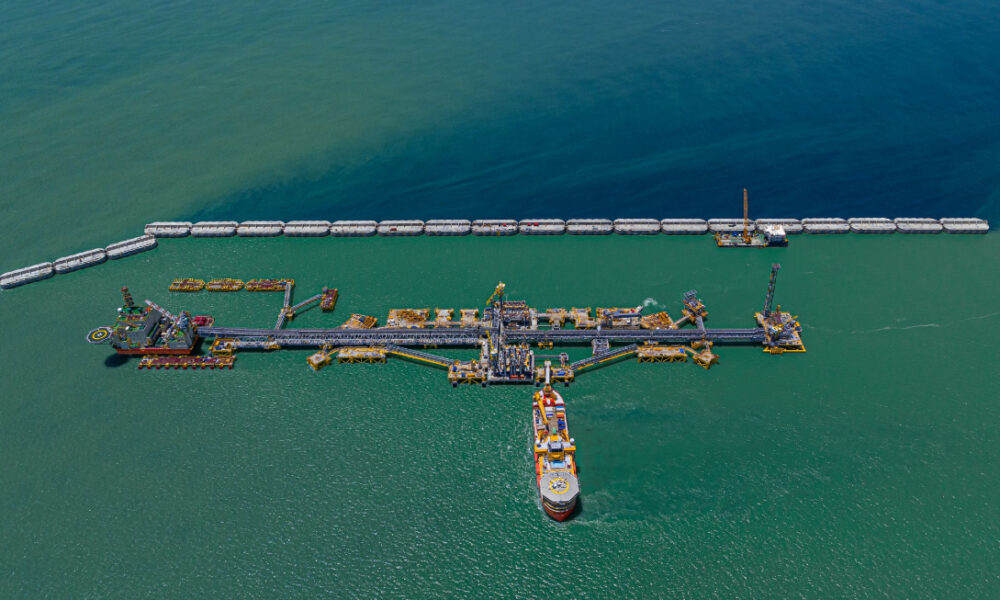
As I watch Senegal rise – oil surging from Sangomar, gas gushing from the Greater Tortue Ahmeyim complex, and the futuristic city of Diamniadio rising like a concrete promise, I feel both pride and unease.
There is excitement, yes. A new economic chapter.
A bold vision for 2030. But deep within me, a question lingers:
Are we building our own prosperity – or importing someone else’s dream?
Lately, people have begun calling Senegal the “Dubai of Africa.” But is that truly a compliment?
Dubai dazzles – but it also divides. Its wealth is often built on the backs of migrant labor.
Its gleaming towers can rise without memory or mercy. While its model is impressive, it does not echo with the rhythm of our African soul.
Africa does not need another Dubai. Africa needs Senegal to be Senegal – grounded, sovereign, guided by Ubuntu.
Diamniadio or Displacement?
I look at Diamniadio and wonder: Who is this city really for?
If cities are built faster than justice can take root, they become mirrors of exclusion.
Let us not repeat the pattern where foreign investors shape the skyline while rural families are pushed aside. A smart city without a soul is nothing more than another export zone.
We must ask ourselves: Can a city rise without erasing the villages that nurtured it?
Development should never mean displacement. Progress must not come at the cost of identity.
If we build a future that forgets where we came from, we risk building nothing at all.
Oil Wealth or Ownership Trap?
Senegal’s oil and gas boom could bring revenue – but for whom?
We have seen this story before: foreign corporations extract resources, the state receives crumbs, and local communities remain in the dark – both literally and politically. Unless Senegal centers sovereignty, environmental justice, and intergenerational equity, this oil rush will enrich headlines – not people.
Let us remember: true wealth is not buried beneath the soil. It lives in the people who walk upon it.
Natural resources must not become natural curses. We must ensure that our energy revolution empowers, rather than exploits. That it fuels our schools, hospitals, and dreams – not just pipelines and profits.
Ubuntu Must Be Our Compass
What if Senegal’s development were guided not only by GDP but by Ubuntu?
What if we asked:
Does this project serve the fisherman in Casamance? Will the Talibé child in Saint-Louis benefit? Can the mourning mother in Matam feel safer, more seen, more supported?
I believe in a Senegal that chooses dignity over display. That welcomes the diaspora not just as donors, but as co-creators. That builds cities without forgetting villages. That rises – not only with numbers, but with soul.
We are not behind. We are simply returning home – with wisdom.
My Call to All African Thinkers, Builders, and Leaders
Let us not imitate. Let us innovate.
Let us not rush forward blindly. Let us remember who we are.
Let us rise – but rise together.
Senegal’s Vision 2030 is not just a blueprint for growth. It is a test – for all of us.
A test of whether Africa can grow without losing itself.
Let Senegal be a beacon – not of imitation, but of integrity. Not of extraction, but of emancipation. Not of ambition alone – but of Ubuntu.
Because Africa deserves more than a copycat miracle. It deserves a movement – one rooted in humanity, history, and hope.
Farhia Noor is a seasoned business consultant based in Dar es Salaam, Tanzania. With a proven track record in developing enterprises and executing turnkey projects across both government and private sectors, she brings deep expertise to the table. Farhia is also a committed advocate for community-led development and is passionate about advancing sustainable, intra-African growth.