Opinion
Why transport costs in Africa, and in developing countries, are so high?
By Danilo Desiderio
Today, approximately 90 percent of global cargo is transported by sea. Over the past 70 years, maritime trade has seen continuous growth, especially in the size of container ships, which can now hold over 24,000 containers. This increase in shipping capacity has significantly reduced costs, with expenses dropping by up to 39 percent per unit of weight and 62 percent per unit of value since the 1960s.
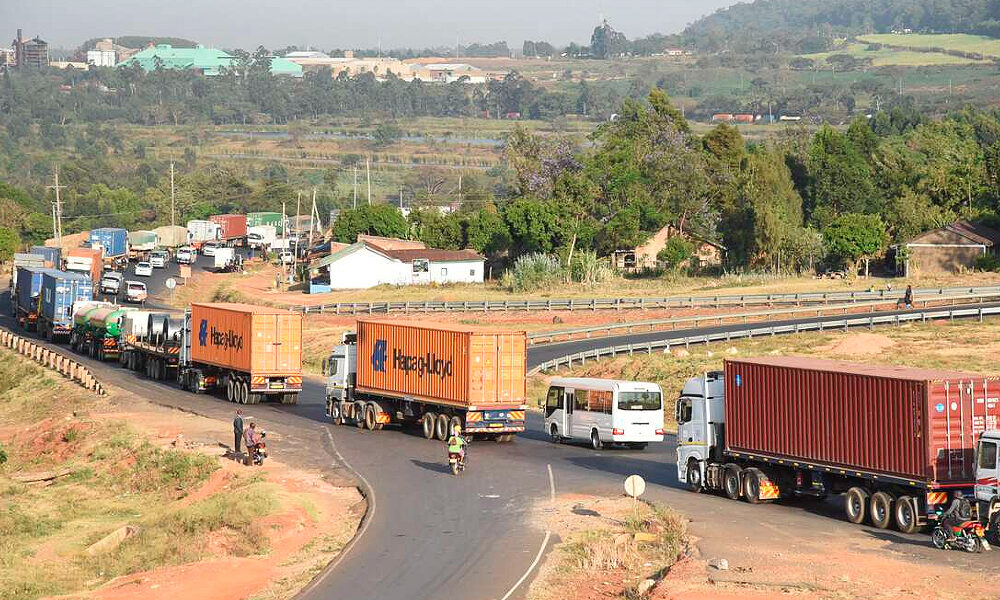
However, these cost savings are not evenly distributed. For example, shipping from low-income countries to the United States can cost nearly twice as much as from wealthier countries. In contrast, many developing nations, particularly those involved in South-South trade, rely heavily on road transport, which is more expensive than maritime shipping but allows for flexible door-to-door deliveries.
A recent World Bank report investigates the factors behind these disparities, showing that the cost of trade between developing nations is 3 to 14 times higher than in the U.S., with Africa facing similar challenges. The reasons for these high costs include greater distances, challenging geography, and inefficient infrastructure.
In some cases, landlocked countries have limited transportation options, worsening the issue. For instance, Ethiopia and Kenya are connected by just one road through the Moyale border post, which became a One Stop Border Post (OSBP) in 2017. Any disruption along this route could completely stop trade between these two key economies in the Horn of Africa.
Reducing transport time and costs could significantly enhance international trade, especially within the framework of the African Continental Free Trade Area
However, geography alone does not explain the problem. In many developing nations, poor road conditions, rough terrain, and unpredictable weather slow transportation, sometimes making routes impassable.
Additionally, there is an imbalance in freight flow – since Africa imports more than it exports, trucks and containers often sit idle after reaching their destination, waiting for return cargo. If no cargo is available for the return trip, exporters must cover the cost of the empty return, further increasing expenses.
Slow transport more expensive
Complex regulations and cross-border barriers also add to these costs by creating bureaucratic delays that slow down transport. The report emphasizes that slow transport is more expensive. In low-income countries, export compliance can take over four days, compared to just one day in wealthier nations.
These delays contribute to higher prices for imported goods in developing markets. According to a 2017 report by the International Growth Centre, high domestic transport costs in Africa are a major reason why trade liberalization has had limited and uneven effects across the continent.
Reducing transport time and costs could significantly enhance international trade, especially within the framework of the African Continental Free Trade Area (AfCFTA).
In maritime transport, ships in developing nations often spend more than 15 percent of their total export time waiting at ports, which further raises costs. Additionally, the transportation of goods from the point of origin to the port, or from the port to the border, is often slower in poorer countries than in wealthier ones.
The World Bank report also addresses the competitiveness of transport services. Factors like price regulations, barriers to market entry, market dominance by a few key players, and collusion among carriers all contribute to poor logistics and higher transport costs.
In Sub-Saharan Africa, transport costs can increase food prices by as much as 50 percent, with poor logistics responsible for 40 percent of food losses.
The report concludes that for developing countries to compete in global markets and fully benefit from trade liberalization initiatives like the AfCFTA, governments must prioritize reducing transport costs. This requires not only improving connectivity between departure and destination points but also addressing regulatory and procedural barriers. Policymakers should consider these factors when crafting reforms to promote trade and economic growth.
Danilo Desiderio serves as the CEO of Desiderio Consultants Ltd in Nairobi, Kenya specializing in African customs, trade, and transport policies.