Owusu on Africa
Why Nigeria’s Economy Is Thriving – Despite the Headlines on Insecurity


By Fidel Amakye Owusu
When discussing insecurity in Africa, a familiar narrative often takes hold: widespread chaos, economic paralysis, and state fragility. But reality is rarely so monolithic – and Nigeria offers a compelling counterpoint.
Earlier this year, I reminded a group of students that conflating headlines with lived experience can lead to deeply flawed conclusions. Nigeria – the continent’s most populous nation and largest economy – exemplifies this nuance.
Yes, violent extremism remains a serious concern in certain regions. Yet for millions of Nigerians, daily life unfolds far from the frontlines of conflict, and economic momentum continues to build.
Stability Where It Counts: The Geography of Resilience
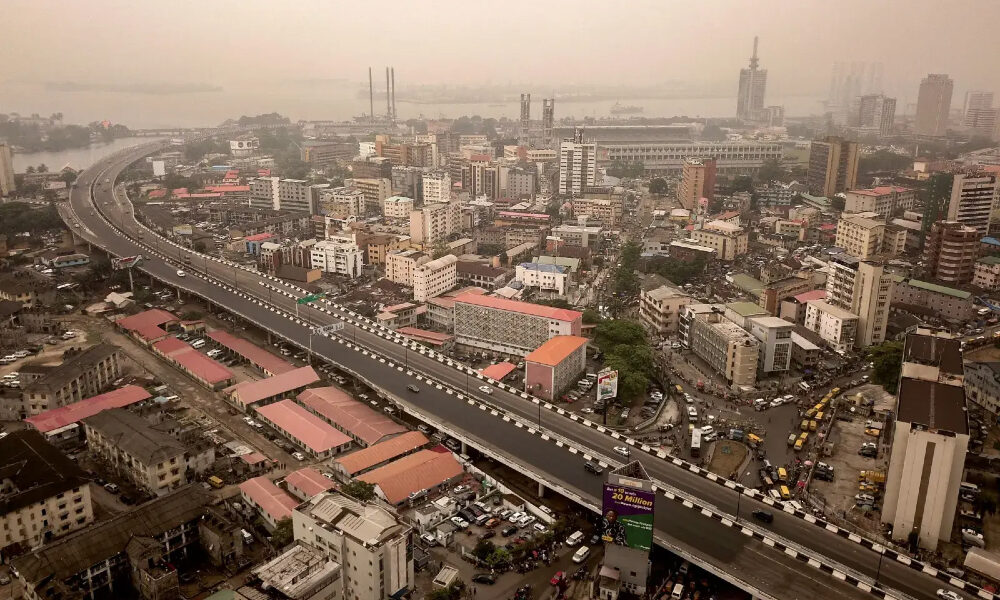
Contrary to popular perception, large swaths of Nigeria – from bustling commercial hubs like Lagos and Port Harcourt to agricultural heartlands across the Middle Belt – remain stable and vibrant. In these areas, economic activity thrives, markets operate normally, and businesses expand.
Al-Qaeda and Islamic State affiliates, while active in parts of the northeast and northwest, have not succeeded in crippling Nigeria’s core economic infrastructure. This stands in stark contrast to countries like Mali, where extremist groups have significantly disrupted governance and commerce.
It’s true that several foreign governments have expanded their travel advisories to include more Nigerian states, citing risks of kidnapping and violence. But these warnings are largely precautionary, aimed at protecting foreign nationals – not a reflection of nationwide collapse.
For the average Nigerian farmer, trader, or tech entrepreneur, life and livelihood go on.
Africa’s largest nation cannot be reduced to a single story of crisis.
Growth Against the Odds: A 4% Horizon
Indeed, Nigeria’s economic resilience is becoming increasingly evident. In 2025, the country is projected to achieve GDP growth of nearly 4 percent or higher – up from 2024 – driven by reforms in foreign exchange policy, rising non-oil exports, a dynamic digital economy, and stronger-than-expected agricultural output.
The Lagos-Ibadan rail corridor is moving goods more efficiently. Fintech startups are scaling across West Africa.
And despite energy constraints, manufacturing is inching upward.
None of this is to downplay the real and urgent security challenges Nigeria faces. Banditry, separatist agitations, and terrorism continue to displace communities and strain public resources.
If left unaddressed, these threats could undermine hard-won economic gains. But what’s clear is that Nigeria’s size, diversity, and economic depth provide a buffer that smaller or more homogenous states lack.
The lesson? Africa’s largest nation cannot be reduced to a single story of crisis.
Its economic trajectory – while imperfect – is a testament to the resilience of its people and the decentralised nature of its growth. For investors, policymakers, and observers alike, the takeaway is simple: look beyond the red zones on a map, and you will find a country quietly defying the odds.
Fidel Amakye Owusu is an International Relations and Security Analyst. He is an Associate at the Conflict Research Consortium for Africa and has previously hosted an International Affairs program with the Ghana Broadcasting Corporation (GBC). He is passionate about Diplomacy and realizing Africa’s global potential and how the continent should be viewed as part of the global collective.