Owusu on Africa
Why Algerian elections have implications beyond its borders


By Fidel Amakye Owusu
In the early 1990s, as Cold War tensions began to subside, Algeria held legislative elections that saw a significant Islamist presence in the first round. This followed their strong performance in local elections the previous year.
However, just five days before the second round of voting, the military intervened, canceling the election and forcing the sitting president to resign. This situation, rooted in complex factors, spiraled into one of Africa’s bloodiest civil wars, lasting nearly a decade. Multiple attempts at negotiation failed before a final peace agreement was eventually reached. Nevertheless, the aftermath of the Algerian Civil War left a troubling legacy that continues to affect neighboring regions.
When the conflict officially concluded, not all rebel factions accepted the peace terms. A radical segment among the rebels rejected the agreement and moved south, eventually aligning themselves with Al-Qaeda. This group became known as Al-Qaeda in the Islamic Maghreb (AQIM).
A decade later, AQIM, alongside Tuareg militants, launched a campaign across northern and central Mali, establishing an “Islamic state” in the Sahel, predating the caliphate declaration by al-Baghdadi in Mosul, Iraq.
Today, AQIM stands as one of the most dangerous affiliates within the Al-Qaeda network, known as JNIM, wreaking havoc across the Sahel and coastal West African states. Their actions have fostered political instability and heightened competition among global powers in the region.
Fast forward to last month, Algeria held a presidential election marred by allegations from both the ruling party and the opposition. Despite being declared the winner, the ruling president faces challenges related to vote counting.
The electoral authority reported a 94.65 percent approval for the president but was “unable” to disclose total voter turnout. A leader from a moderate Islamist party condemned the results as “fraud”.
While no election is flawless, given Algeria’s historical context, ensuring free and fair elections should be a paramount concern. History demonstrates that failing to do so can have profound and lasting implications throughout the continent.
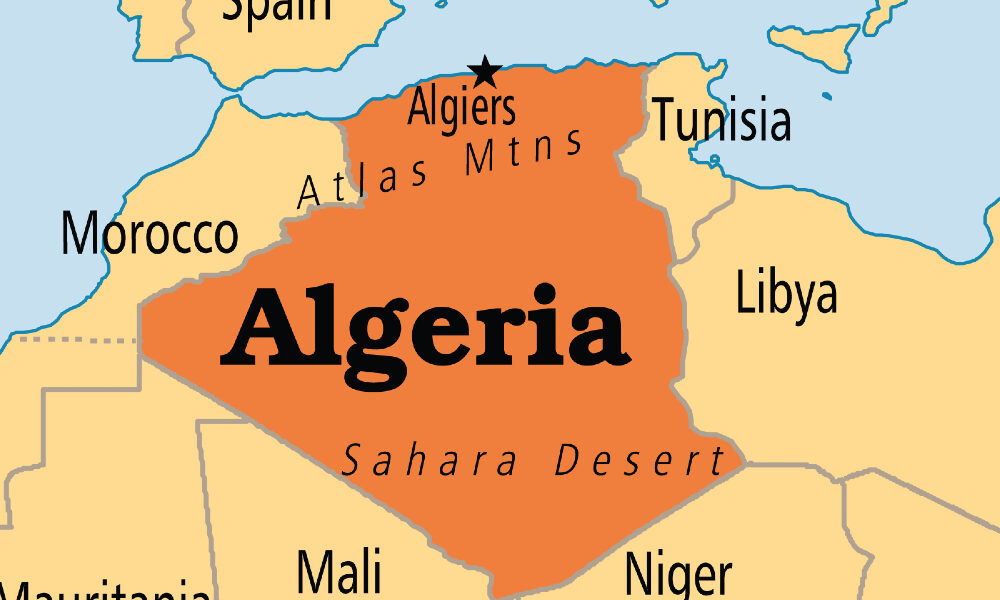
Algeria is not only one of Africa’s largest countries by land area but also a significant economy with a relatively modern military and strong diplomatic ties with both Eastern and Western powers. As a natural leader, Algeria must prioritize stabilizing its electoral processes and governance.
Fidel Amakye Owusu is an International Relations and Security Analyst. He is an Associate at the Conflict Research Consortium for Africa and has previously hosted an International Affairs program with the Ghana Broadcasting Corporation (GBC). He is passionate about Diplomacy and realizing Africa’s global potential and how the continent should be viewed as part of the global collective.