Owusu on Africa
Why Africa’s Population Boom Demands Policy Synchronization


By Fidel Amakye Owusu
For centuries, economists and social theorists have debated the impact of rapid population growth. In the 19th century, many feared that unchecked population expansion would outpace economic growth, leading to widespread scarcity and instability. However, the economic trajectories of the 20th and 21st centuries tell a different story.
Nations like China, India, and Indonesia have demonstrated that large populations, when effectively managed, can be a powerful driver of economic transformation. More recently, Nigeria – Africa’s most populous country – has emerged as the continent’s largest economy, underscoring the potential of demographic strength when paired with strategic economic policies.
The African Context: Numbers Alone Are Not Enough
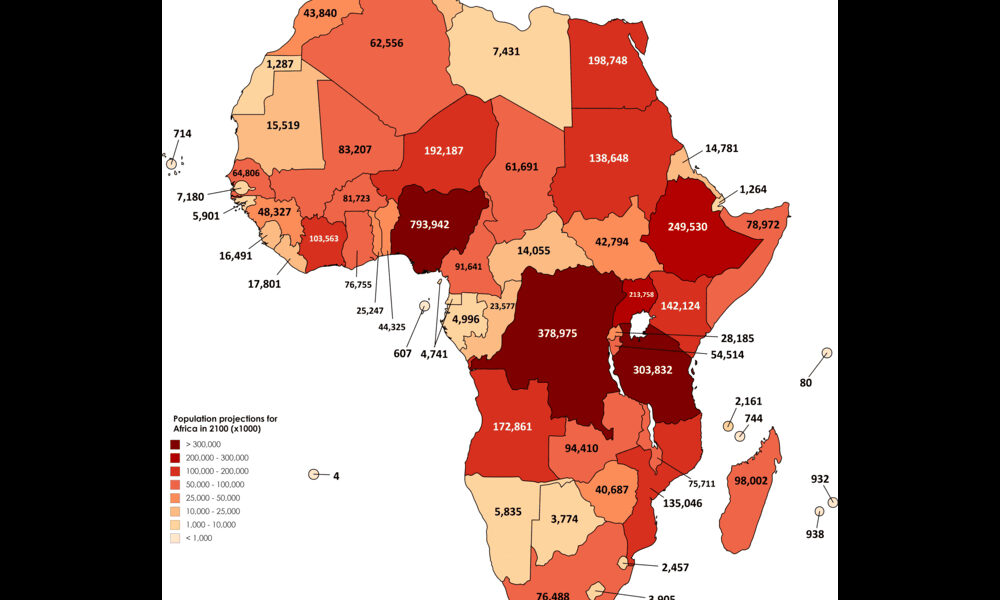
Africa’s population now exceeds 1.4 billion, making it the second most populous continent and the youngest in terms of demographics. However, population size alone does not guarantee economic success.
Education, sound economic management, political stability, and security are crucial factors in transforming demographic potential into economic power.
Despite its vast numbers, Africa’s population is unevenly distributed. Only three nations – Nigeria, Ethiopia, and Egypt – have populations exceeding 100 million, while 14 countries have fewer than 5 million people, with five of those having less than a million.
For many African nations, individual market size remains insufficient to fully leverage the benefits of scale.
The Challenge of Policy Fragmentation
Since gaining independence, African nations have pursued divergent domestic policies, leading to mixed economic and political outcomes. While some countries have maintained relative stability, others have experienced recurring political upheaval, particularly in West Africa during the 1970s and 1980s.
Even in stable nations, a lack of coordinated economic and political policies has hindered collective progress.
In contrast, both China and India benefited from synchronized policies that guided their massive populations toward shared national goals. Africa must adopt a similar approach to harness its demographic advantage.
The Path Forward: Policy Synchronization
For Africa to replicate the success of Asia’s economic giants, policy synchronization across key sectors is essential. Areas such as education, technology, agriculture, finance, labor mobility, governance, and security must be harmonized to create an integrated and competitive economic landscape.
The African Continental Free Trade Area (AfCFTA) presents a critical opportunity to drive this synchronization. By fostering deeper regional cooperation and streamlining policies, African nations can unlock the full potential of their vast and youthful population.
Prioritization
Africa’s demographic expansion is a unique opportunity – but only if properly managed. Without strategic policy alignment, population growth alone will not drive economic transformation. By prioritizing synchronized policies at both regional and continental levels, African nations can position themselves as a formidable economic force in the 21st century.
Fidel Amakye Owusu is an International Relations and Security Analyst. He is an Associate at the Conflict Research Consortium for Africa and has previously hosted an International Affairs program with the Ghana Broadcasting Corporation (GBC). He is passionate about Diplomacy and realizing Africa’s global potential and how the continent should be viewed as part of the global collective.