Opinion
Who Tells Africa’s Story – and Who Gets to Shape Its Future?


By Dishant Shah
For decades, the world’s understanding of Africa has been shaped not by Africans, but by distant cameras, foreign correspondents, and outdated tropes. The continent is too often reduced to a monolith of poverty, conflict, and aid dependency – a narrative frozen in time, despite the dynamic realities unfolding across its 54 nations.
This misrepresentation isn’t just misleading – it’s consequential. Narratives shape perception. Perception shapes policy. And policy shapes destiny.
When global audiences see Africa primarily through the lens of crisis or charity, they miss the full scope of a continent driving innovation, leading digital transformation, and nurturing a cultural renaissance. They overlook the tech startups in Lagos and Nairobi, the renewable energy advances in Morocco and Kenya, the literary and musical exports reshaping global culture.
They ignore the fact that Africa is home to six of the world’s ten fastest-growing economies and a youth population projected to double by 2055.
The cost of this imbalance is more than reputational – it’s economic, political, and psychological. Misguided perceptions deter equitable investment, skew diplomatic priorities, and subtly erode self-confidence among African citizens who grow up absorbing a story in which they are perpetual recipients, never leaders.
It’s time to reclaim the narrative.
A New Chapter in African Storytelling
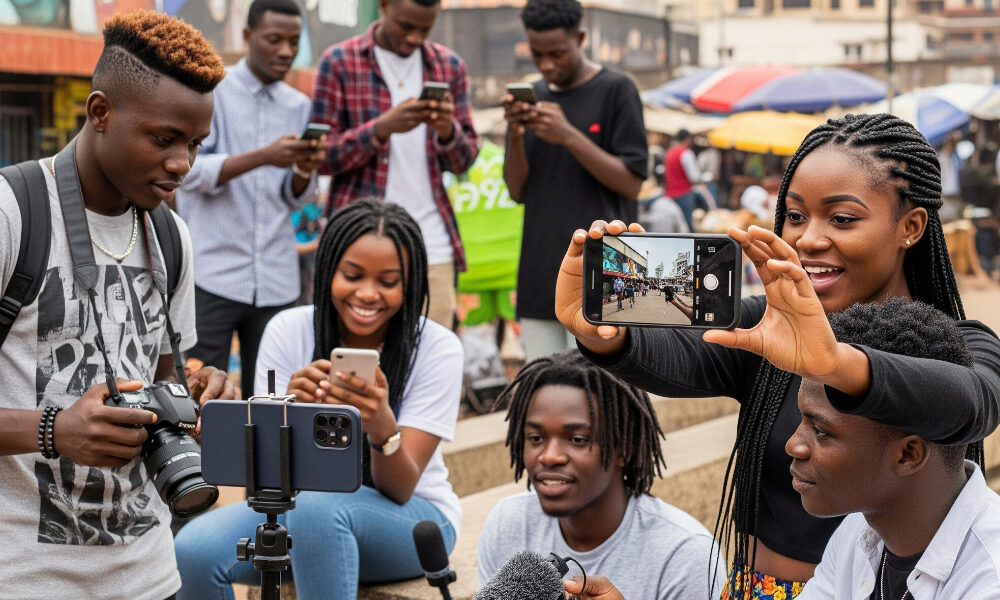
The tools for change are already in hand. With over 60 percent of its population under the age of 25, Africa is the youngest continent in the world – a generation fluent in digital technology, connected across borders, and eager to define their identity on their own terms.
This demographic wave is not just a statistic – it’s a storytelling revolution in motion. From citizen journalists on TikTok to award-winning filmmakers on Netflix, from independent news platforms like The Continent to pan-African podcasts reaching millions, African voices are rising with clarity, creativity, and credibility.
But to truly transform the global narrative, three shifts are essential:
- Diversify Who Tells the Story
News about Africa must be led by African journalists, editors, and producers. Local insight brings context; lived experience brings authenticity. While international media still plays a role, it must move from being the primary voice to a collaborative partner – amplifying, not overshadowing, African perspectives. - Move Beyond the Single Story
Nigerian author, Chimamanda Ngozi Adichie, warned of the dangers of the “single story” – the reductive, one-dimensional portrayal that flattens complex societies. Africa is not one story. It is thousands: of entrepreneurship in Accra, climate resilience in the Sahel, artistic innovation in Johannesburg, and democratic renewal in Sierra Leone. Media must reflect this diversity – not just during crises, but in moments of progress, joy, and ambition. - Invest in Quality Journalism
Narrative power requires more than visibility – it demands rigor. Supporting independent media, strengthening press freedom, and funding investigative reporting are not luxuries; they are prerequisites for a continent shaping its own future. Accurate, contextual, and nuanced storytelling builds trust – both at home and abroad.
Perception as Power
Let’s be clear: controlling the narrative isn’t about propaganda or erasing challenges. Africa faces real issues – from governance gaps to climate vulnerability.
But these challenges exist alongside resilience, creativity, and rapid development. A balanced story is not a softer story – it’s a truer one.
And truth empowers. When the world sees Africa not as a problem to be solved, but as a partner in progress, investment follows.
When young Africans see themselves reflected as innovators and leaders, ambition grows. Perception, in this way, becomes a catalyst for change.
Today, the means of storytelling are more democratized than ever. Social media, streaming platforms, and digital publishing allow Africans to bypass traditional gatekeepers and speak directly to global audiences.
No longer must the BBC, CNN, or Hollywood hold the monopoly on how Africa is seen.
The question is no longer who can tell Africa’s story – but who will step up to tell it?
The future of Africa will be shaped not only by infrastructure projects or trade agreements, but by the stories we choose to believe – and to share.
It’s time for Africans to write their own narrative – in all its complexity, confidence, and promise. Because the continent’s destiny should not be defined by outsiders looking in, but by its people looking forward.
Dishant Shah is a partner at Legion Exim, a company specializing in facilitating the export of high-quality engineering products directly sourced from manufacturers in India to Africa. His areas of expertise include new business development and business management.