A Diaspora View of Africa
US Government Seems Ignorant of Its Global Impact


By Gregory Simpkins
Since the end of World War II, the United States has been a superpower, able to impose its will on much of the rest of the world through its financial and consumer might and its military prowess. However, the days in which this country could simply bully its way through is ending, but government officials seem not to fully understand that.
Every year, Democrats and Republicans do their political dance over shutting down the government by failing to pass a budget or properly addressing the debt burden. It would be bad enough if only Americans had to endure the effect of shutdowns, but seeming instability of the US government has much wider implications.
It is a pity that the branches of government cannot or don’t want to understand that others outside the country are watching their actions with growing concern.
I have been covering American politics or working in it for decades now and can recall a time when the two parties would argue publicly but then come to agreement in private. They would each give a concession to the other and then take credit for their respective winnings.
Unfortunately, both sides seem to be playing an all-or-nothing game in which victory must be total in order to be acceptable. The days in which liberal Democratic Speaker of the House Thomas “Tip” O’Neill and conservative Republican President Ronald Reagan could avoid destructive consequences by negotiating a mutually acceptable fiscal solution are long gone now.
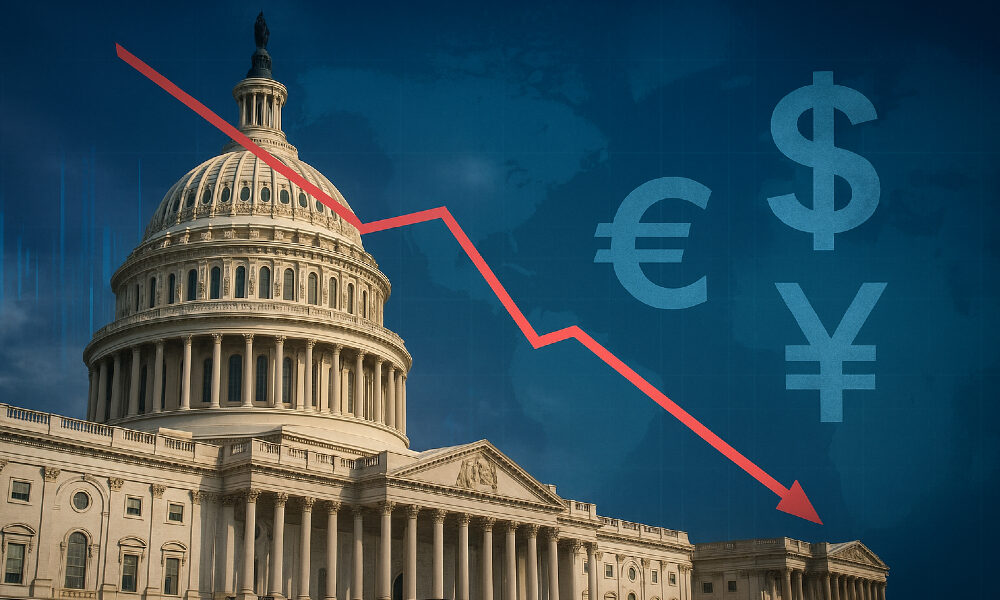
Members of Congress, for example, appear to not realize the impact of rising debt levels, including on America’s global reputation for stability. The United States’ national debt has reached a staggering new high of US$38 trillion, with each citizen’s share amounting to more than US$109,000.
This substantial debt load is growing daily, and interest payments have become a significant expense, consuming US$879.9 billion annually.
Increasing Debt Is Leading to Collateral Problems
Short-term Implications:
- Rising interest rates are making debt servicing increasingly costly, with the average interest rate on outstanding federal debt more than doubling since January 2022.
- Higher interest payments are diverting resources away from critical investments and social programs.
- The government’s ability to respond to future emergencies may be constrained due to the high debt burden.
Long-term Implications:
The debt-to-Gross Domestic Product ratio, currently at approximately 123 percent, is expected to continue rising, potentially leading to:
- Higher interest rates, stifling investment and economic growth.
- Increased taxes or reduced government spending, impacting the standard of living for many Americans.
- There is a decline in the nation’s credit rating, making borrowing more difficult and expensive.
The Congressional Budget Office projects net interest costs to total $13.8 trillion over the next decade, further exacerbating the debt situation.
Potential Risks:
- Fiscal crisis: Investors could lose confidence in the US government’s ability to manage its finances, leading to a debt spiral and potentially severe economic consequences.
- National security: Large debt burdens can affect national security and global standing.
- Economic instability: Rising debt and interest rates could trigger a recession, reduce GDP, and impact financial markets.
Ethiopia is negotiating with China to change US$5 billion in loans from US dollars to Chinese yuan. This follows Kenya’s move in reducing reliance on the U.S. dollar and boosting economic flexibility.
Global Tariffs Also Create Problems
The US tariffs have had a significant impact on both the United States and other nations. Here are some key effects:
- Increased Costs for Consumers and Businesses: Tariffs have led to higher prices for imported goods, affecting consumers and businesses that rely on imported materials. This has resulted in increased costs and reduced economic efficiency.
- Trade War Escalation: The US tariffs have triggered retaliatory measures from other countries, including China, Canada, and the EU. These countries have imposed their own tariffs on US goods, leading to a trade war that has disrupted global supply chains and increased uncertainty.
- Reduced Economic Growth: The tariffs have reduced economic growth in the US and globally. The International Monetary Fund (IMF) estimates that the tariffs could reduce global economic growth by 0.5 percent through 2026.
- Impact on Specific Industries: Certain industries, such as agriculture and manufacturing, have been disproportionately affected by the tariffs. For example, US farmers have faced retaliatory tariffs on their exports, while manufacturers have struggled with increased costs and disrupted supply chains.
- Investment and Job Market: The tariffs have also affected investment and job markets. Some companies have delayed or canceled investments due to the uncertainty surrounding the tariffs, while others have shifted production to countries with lower tariffs.
- Global Trade Relations: The US tariffs have strained global trade relations, with many countries questioning the US commitment to free and fair trade. This has led to a shift towards protectionism and reduced cooperation on trade issues.
Some specific examples of the impact of US tariffs include:
- US farmers: Have faced retaliatory tariffs on their exports, with Iowa soybean farmers seeing prices plummet to 18 percent.
- Manufacturers: Have struggled with increased costs and disrupted supply chains, with some companies delaying or canceling investments.
- Consumers: Have faced higher prices for imported goods, with the average household facing an estimated US$1,277 extra annually for goods.
- Global companies: Have identified more than US$35 billion in costs due to US tariffs, with some companies like Nike raising their tariff impact estimates.
- Trade agreements: The US has reached trade deals with some countries, such as the EU and Japan, which has reduced some tariffs and increased investment commitments.
Overall, the US tariffs have had far-reaching consequences for both the US and global economies, affecting trade, investment, and economic growth.
Meanwhile, the de-dollarization campaign is growing steadily. Ethiopia is negotiating with China to change US$5 billion in loans from US dollars to Chinese yuan.
This follows Kenya’s move in reducing reliance on the U.S. dollar and boosting economic flexibility. And those are by far not the only members of the world community abandoning the dollar as the world’s reserve currency as China cheerleads this effort.
We tell our children that reputation is important, but that is a lesson US government officials don’t appear to accept. Again, the United States is in no position to bully the rest of the world, and American leadership in the global community is slipping away as American politicians play domestic political one-upmanship.
They are creating a situation that will not be easily overcome even if the current government shutdown ended right now – even if there were an abrupt departure from current policies.
The negative feelings about the United States abroad have been created over time through several administrations and Congresses and cannot be redressed overnight.
As the saying goes: if you realize you’re digging a hole for yourself, stop digging. That is good advice for US officials who are currently unwilling to put down their metaphorical shovels.
Gregory Simpkins, a longtime specialist in African policy development, is the Principal of 21st Century Solutions. He consults with organizations on African policy issues generally, especially in relating to the U.S. Government. He further acts as a consultant to the African Merchants Association, where he advises the Association in its efforts to stimulate an increase in trade between several hundred African Diaspora small and medium enterprises and their African partners.