Life
University of the West Indies sets up regional task force to combat Zika virus
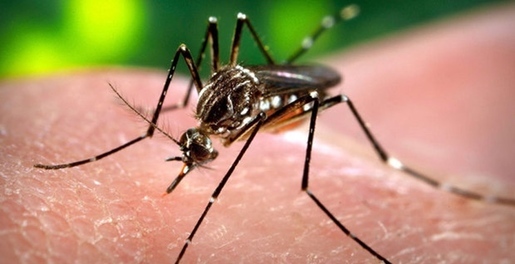
In response to the growing threat the Zika virus poses to the Caribbean, the regional University of the West Indies (UWI), has launched a regional Zika task force that will leverage the university’s extensive public health capabilities and coordinate its efforts with regional governments and member health ministries to combat the virus.
UWI’s Vice Chancellor, Professor Hilary Beckles announced earlier this week that Professor Clive Landis – Deputy Principal of the Cave Hill, Barbados campus – will chair the regional task force that will comprise eminent scholars, scientists and public health experts.
The task force will help inform an aggressive and scientifically based prevention strategy to eliminate breeding sites for Aedes aegypti mosquito – the vector that transmits the Zika virus. The Task Force will work closely with the Caribbean Public Health Agency (CARPHA) and the ministries to pool resources to research and analyze the Zika outbreak and associated health complications in the Caribbean, and conduct economic impact studies and engage with regional member governments on outbreak preparedness.
A regional observatory under the task force, will collate, organize and disseminate information about the virus and will make the university’s expertise accessible to researchers, government agencies, schools, health facilities and members of the general public.
Given the urgency and gravity of the situation, the task force is going to convene a major symposium within the next 3 – 4 weeks, involving regional ministries of health, partner agencies, national and regional public health agencies and tourism stakeholders. Additionally, it will develop and implement a comprehensive communications strategy for ensuring that information about the virus and its effects is shared broadly with the Caribbean public via radio, television, newspapers, the Web and social media platforms.
“The rapid spread of the Zika virus poses serious regional challenges at the levels of public health and safety and sustainable economic development, and as a regional university we have a duty and a responsibility to confront these challenges head on,” said Beckles.
The Vice Chancellor also noted that the UWI is in a good position to work with partner agencies in order to access resources to facilitate and implement its strategy, and to collaborate with universities and research teams across the hemisphere.
The University of the West Indies not only has a wide range of relevant technical expertise which it can deploy, but also has accumulated in recent years important experiences and developed successful public health strategies through its efforts to help tackle the challenges of HIV/AIDS, dengue fever and chikungunya.
The World Health Organization recently announced the spread of the Zika virus to be a public health emergency of international concern that requires the joint efforts of all countries to effectively tackle the problem. The Zika virus now has a classification similar to the Ebola virus and is strongly suspected to be linked to cases of microcephaly, a condition in which babies are born with underdeveloped brains and unusually small heads.
Some countries in the Caribbean have already declared states of emergency over the Zika outbreak. Ministers of Health from the Organization of Eastern Caribbean States (OECS) have agreed on a harmonized approach to confronting the fast-spreading virus which to date has affected more than 30 countries in Latin America and the Caribbean.
Source: Caribbean360