Business
Uganda Slashes Power Prices Amid Strong Currency Performance
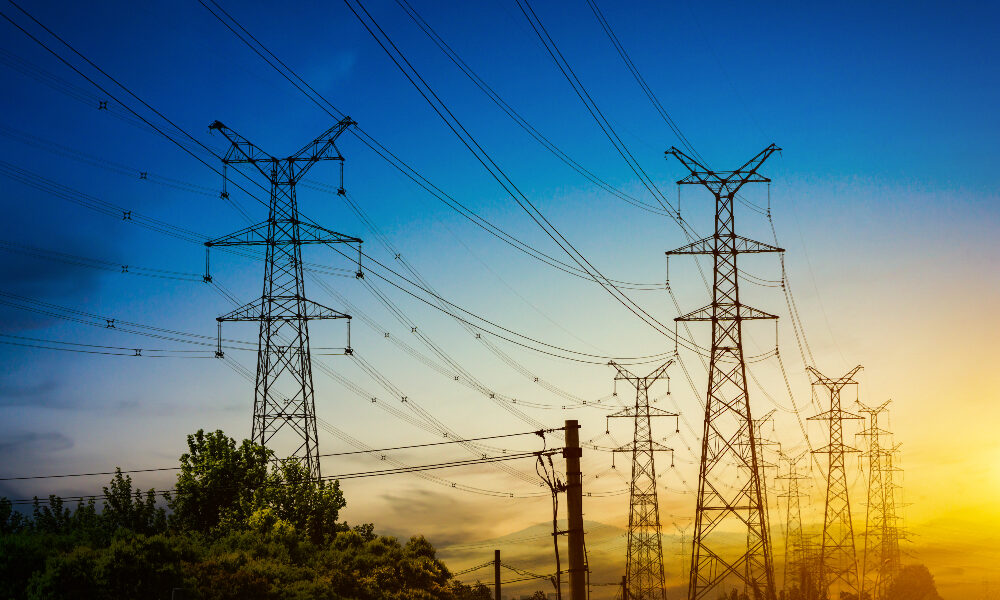
Uganda has implemented its most significant electricity price cut in 20 years, thanks in part to the strength of its currency, which has reduced the cost of imported fuel and power generation components.
Currency Strength Drives Tariff Reduction
The Electricity Regulatory Authority (ERA) announced on Tuesday that electricity tariffs have been lowered by an average of 14 percent for the quarter ending June 30, according to Bloomberg. This move follows a surge in the Ugandan shilling, which has appreciated by 6.1 percent over the past year – making it Africa’s best-performing currency among 23 tracked by Bloomberg.
A stronger shilling has alleviated the cost of oil imports, with Uganda spending US$2.4 billion on petroleum products in the 12 months leading up to June. Additionally, the reduced cost of imported components used in power generation has further contributed to the price reduction, according to ERA spokesperson Julius Wandera.
Another key factor in the tariff decrease is the recent expiration of a concession held by Umeme Ltd., the private electricity distributor. With the government no longer required to include Umeme’s fees in electricity pricing, consumers are seeing the largest price cut since the company took over distribution.
The Ugandan shilling’s appreciation has been driven by a surge in commodity exports, particularly coffee, which has helped to curb inflation and allowed the central bank to maintain stable interest rates. However, potential retaliatory tariffs proposed by former U.S. President Donald Trump could challenge these inflationary gains in Uganda and other affected economies.
While Uganda primarily relies on hydropower for electricity, the country continues to depend on fossil fuels for part of its energy production. The recent power price reductions are expected to provide economic relief to businesses and households alike, reinforcing Uganda’s commitment to a more affordable and stable energy sector.