Business
Uganda set to begin milk and coffee exports to Nigeria
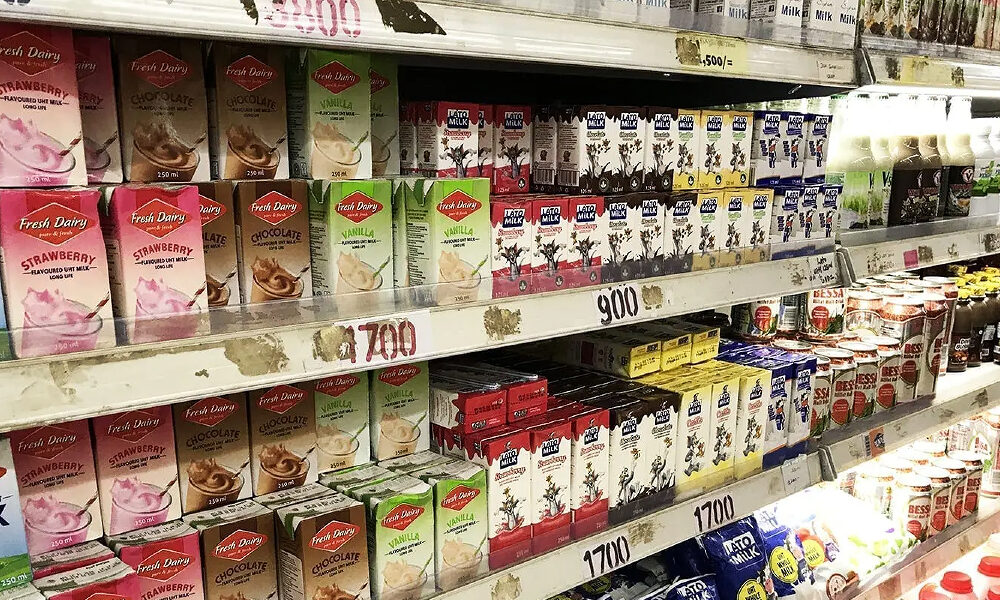
Nigeria, Africa’s most populous nation, is set to begin importing milk and coffee from Uganda, marking a significant step forward for intra-African trade. This development follows a visit to Uganda by Nigeria’s former president, Olusegun Obasanjo.
During his trip on September 18, Obasanjo toured a dairy farm in Mbarara City, located in western Uganda, and visited coffee plantations. Uganda has made impressive strides in increasing its milk production, growing from 2.51 billion liters in 2018 to 3.85 billion liters over the past four years. Currently, 80 percent of Uganda’s milk exports go to Kenya, with export volumes tripling between June 2022 and June 2023.
Obasanjo remarked, “I came to explore how Nigeria can import Ugandan milk and enhance the production of processed milk and coffee,” expressing his surprise at Uganda’s leading role in milk exports across Africa.
In June, Nigeria introduced a dairy policy aimed at reducing its annual import costs by up to US$1.5 billion. Despite consuming approximately 1.6 billion liters of milk each year, Nigeria’s domestic production is insufficient to meet this demand.
To make up for the shortfall, Nigeria has been importing milk from non-African countries such as New Zealand, France, and Ireland. With Nigeria’s rapidly expanding population, the gap between supply and demand is widening, creating a promising opportunity for Uganda and other African nations with surplus food production.
However, Nigeria’s current economic struggles could pose challenges for intra-African trade. Ugandan exporters often favor trading with Kenya, due to better foreign exchange rates, geographical closeness, cultural connections, and more stable currencies in both nations.
Nigeria’s currency, the Naira, has seen instability in recent years, leading many Nigerians to rely on more stable foreign currencies. Government efforts to address this currency crisis, such as limiting foreign exchange for dairy imports, have directly impacted the importation of dairy products.
In March, the Central Bank of Nigeria lifted restrictions that previously limited access to foreign exchange for dairy imports to six companies. For Ugandan exporters to effectively enter the Nigerian market, they will need a well-thought-out strategy that addresses the challenges of intra-African trade, including currency volatility and other complex factors.
Economic Implications for Uganda
This development could have several positive impacts on Uganda’s economy:
- Increased Export Revenues: With Nigeria’s large population and high demand for milk, this new trade route could bring in substantial foreign revenue.
- Diversification of Trade Partners: Uganda’s reliance on Kenya as its primary milk export market exposes it to risks, such as changes in trade policies, currency fluctuations, or regional instability. Expanding trade with Nigeria allows Uganda to diversify its trade partners, making its economy more resilient to external shocks.
- Growth of Agricultural Sector: Increased demand from Nigeria could encourage Ugandan farmers to boost milk and coffee production. This growth in the agricultural sector would create jobs, improve income levels for farmers, and stimulate investment in infrastructure like processing plants, storage, and logistics.
- Foreign Investment Attraction: As Uganda’s milk and coffee industries gain international recognition, foreign investors may take greater interest in the country’s agricultural potential. Improved infrastructure, advanced technologies, and modern farming techniques could be introduced, further enhancing productivity and competitiveness.
- Strengthened Regional Trade Relations: The trade deal between Uganda and Nigeria highlights the importance of intra-African trade, in line with the African Continental Free Trade Area (AfCFTA) goals. Stronger trade relationships within Africa can lead to economic integration and collaboration, providing Uganda with more opportunities to grow its economy within the continent.
- Economic Diversification: Beyond just agricultural exports, Uganda’s expanded trade with Nigeria may open doors to other sectors such as processed foods, textiles, and manufactured goods. As Uganda increases its role as a supplier to larger African markets, it may reduce its dependence on traditional export markets like Europe and North America.
However, there are potential challenges Uganda will need to address, including navigating currency fluctuations and trade barriers, to fully realize these benefits. Nonetheless, this trade expansion represents a promising opportunity for Uganda’s economy.