Opinion
Transforming Africa’s Rural Economies: The Promise of Special Agro-Industrial Processing Zones


By Dishant Shah
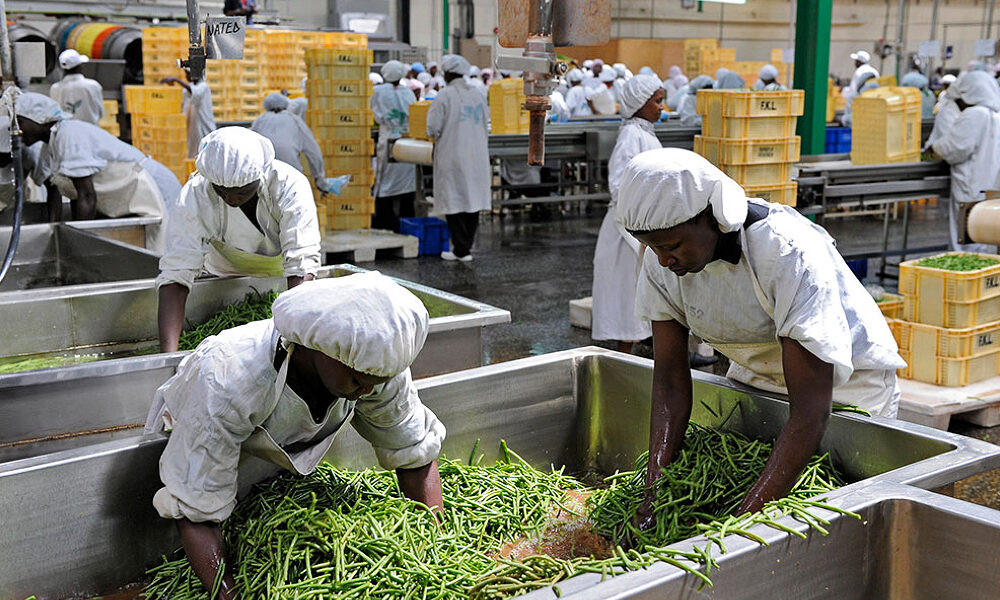
The African Development Bank Group (AfDB) is spearheading an ambitious initiative to revolutionize agriculture across the continent through the establishment of Special Agro-Industrial Processing Zones (SAPZs). These zones aim to transform rural areas into dynamic agro-industrial hubs by integrating farming, processing, storage, and distribution within designated regions.
The ultimate goal? To reduce post-harvest losses, stimulate local economies, create jobs, and position Africa as a global player in the agro-industrial sector.
Nigeria: A Pioneer in SAPZ Implementation
Nigeria is at the forefront of this transformative effort, with the AfDB launching SAPZs in 28 states. The first phase focuses on eight states and involves an initial investment of US$538 million, while the second phase seeks an additional US$2.2 billion in funding.
This initiative is a direct response to Nigeria’s staggering US$4.7 billion food import bill in 2024, underscoring the urgent need to enhance food security and reduce reliance on imports. By fostering local production and value addition, SAPZs aim to shift the narrative from dependency to self-sufficiency.
Expanding Across the Continent
While Nigeria serves as a key testing ground, SAPZs are not limited to its borders. Similar projects are underway in countries like Côte d’Ivoire (Ivory Coast), Ethiopia, Senegal, and Tanzania, each tailored to leverage their unique agricultural strengths.
For instance, Ethiopia’s Baeker Integrated Agro-Industrial Park has attracted an investment of US$181 million, focusing on commodities with high export potential or those that can substitute imports – such as rice, maize, soybeans, and palm oil.
The overarching vision is clear: turn Africa’s rural economies into engines of sustainable growth. Instead of merely exporting raw crops, SAPZs aim to add value locally through processing, packaging, and logistics.
This approach promises to create millions of jobs, strengthen supply chains, and drastically reduce food waste – a critical issue, given that up to 30–50 percent of perishable produce is lost post-harvest in Africa, according to the Food and Agriculture Organization (FAO).
Building Infrastructure, Empowering Communities
One of the most compelling aspects of SAPZs is their focus on infrastructure development. Roads, power, water supply, and cold storage facilities are being built to support these zones, benefiting not only agribusinesses but entire communities.
This ecosystem-driven model is rare yet promising, particularly in regions where poor logistics and high energy costs have long stifled food processing. By addressing these bottlenecks, SAPZs could fundamentally reshape how Africa approaches agriculture.
Balancing Growth with Inclusivity
However, the success of SAPZs hinges on their ability to balance industrial growth with the needs and rights of local communities. Critics raise valid concerns about the potential for land grabs, where fertile lands traditionally used by smallholder farmers could be diverted to serve export-oriented agribusinesses.
If small farmers are excluded from these value chains, there is a real risk that SAPZs could exacerbate inequality rather than alleviate it.
The AfDB insists that SAPZs are designed to be inclusive, promoting private sector investment while ensuring that smallholder farmers play a central role. The challenge lies in translating this vision into reality.
Can these zones deliver sustainable growth without compromising the interests of the very communities they aim to uplift?
Lessons from Around the World
The SAPZ model draws inspiration from successful agro-industrial zones in Asia and Latin America, where countries like Brazil and Vietnam have emerged as major exporters of processed food products. By adopting and adapting these strategies, Africa has the opportunity to carve out its own path to prosperity.
The Road Ahead
As Africa continues to develop its agricultural sector, the stakes are high. SAPZs represent a bold step toward transforming rural economies, reducing food insecurity, and fostering economic resilience.
However, their success will depend on robust governance, equitable partnerships, and a steadfast commitment to inclusivity.
The question remains: Can these zones deliver on their promise of sustainable growth while safeguarding the livelihoods of smallholder farmers? The answer will shape not just the future of agriculture in Africa, but the continent’s broader trajectory toward economic transformation and shared prosperity.
Africa stands at a crossroads, and the SAPZ initiative may well be the catalyst needed to unlock its vast agricultural potential. The world is watching – and the stakes couldn’t be higher.
With careful planning and execution, SAPZs could redefine Africa’s place in the global food system, turning challenges into opportunities and transforming rural areas into thriving centers of innovation and growth.
Dishant Shah is a partner at Legion Exim, a company specializing in facilitating the export of high-quality engineering products directly sourced from manufacturers in India to Africa. His areas of expertise include new business development and business management.