Business
These entrepreneurs are combating malaria with organic cosmetics in Uganda and Burundi
“If malaria is an African problem, African countries must find their own solutions.”
– Ginette Karirekinyana.
“I think more local initiatives to combat malaria should be adapted.”
– Joan Nalubega.
Every year, global health organizations like the World Health Organization (WHO) put out anti-malaria campaigns working with countries, governments and international partners to eradicate malaria, and for good reason. The disease is one of the world’s leading killers, with an estimated 219 million cases and over 400 000 malaria-related deaths in 2017.
Ninety percent of these cases and deaths occur in Africa with approximately 60 percent of fatalities being children aged under 5. So far, several factors have impeded efforts to completely combat the killer disease including inadequate funding, increasing parasitic resistance to antimalarial drugs and mosquito resistance to insecticides.
Hence the need for more local innovations to double down on ongoing efforts on this journey to eradicate malaria in Africa. Thankfully, African entrepreneurs like Ginette Karirekinyana are rising to the challenge. Having done her research on developing affordable organic mosquito repellent in Canada, Karirekinyana returned to her country Burundi to grow hectares of catnip plant and develop a range of mosquito repelling cosmetics from it.

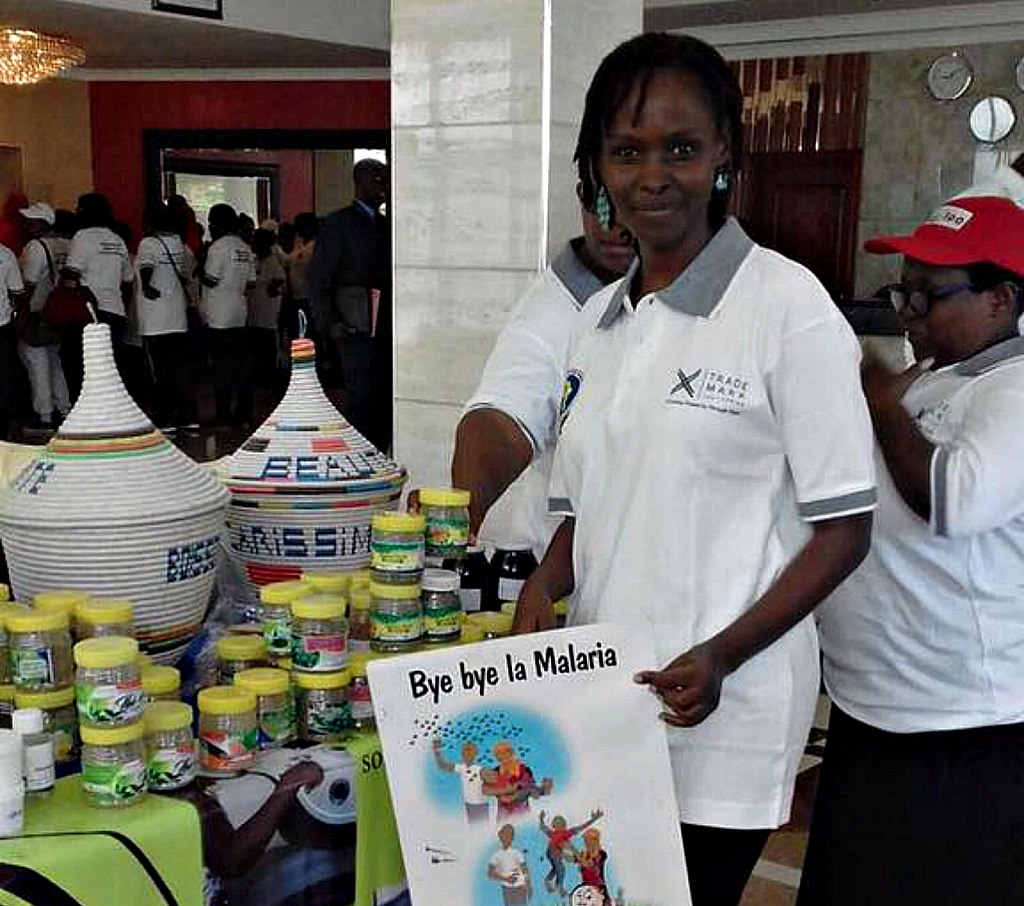
Ginette Karirekinyana with her organic mosquito repellant products. PHOTO/FACEBOOK/Karire Products
Launched almost a decade ago, her Karire Line includes essential oils, lotions, soaps and teas, all of which are made from the catnip plant. Initially, Karirekinyana started her business with repellent candles, sprays and perfumes, but consumers could not afford these so she diversified into soaps and lotions. “Everyone uses soap or cream and lotions,” she told Quartz.
In 2017 alone, over 6 million cases of malaria were recorded in Burundi.
According to a 2017 research, 55 out of 60 sample participants in Burundi said they were not bitten when using a lotion containing the catnip oil. A few complained about the pungent odour but overall, most were able to integrate the lotion into their daily routines. In a video published by Reuters, one of Karire’s customers testified to having not fallen sick with malaria in 3 years since he started using her products.
Karirekinyana is only 1 of several African entrepreneurs tackling malaria with locally made organic cosmetics. What she is doing in Burundi, 21-year-old Joan Nalubega is replicating in Uganda with her soap line – Uganics. Nalubega uses a combination of mosquito repelling plants and spices like citronella, cinnamon and lavender mixed with essential oils like olive, coconut, and sunflower to make her soap.
Uganics soap lasts up to 6 hours post-use and can be used for laundry for the same repelling effect. Using a 2-tier pricing system, the soaps are sold to foreigners at a premium price of Ush15,000 (about US$4) per bar, and between Ush2,000 and Ush3,000 (US$0.53 and US$0.80) to locals in rural Uganda.

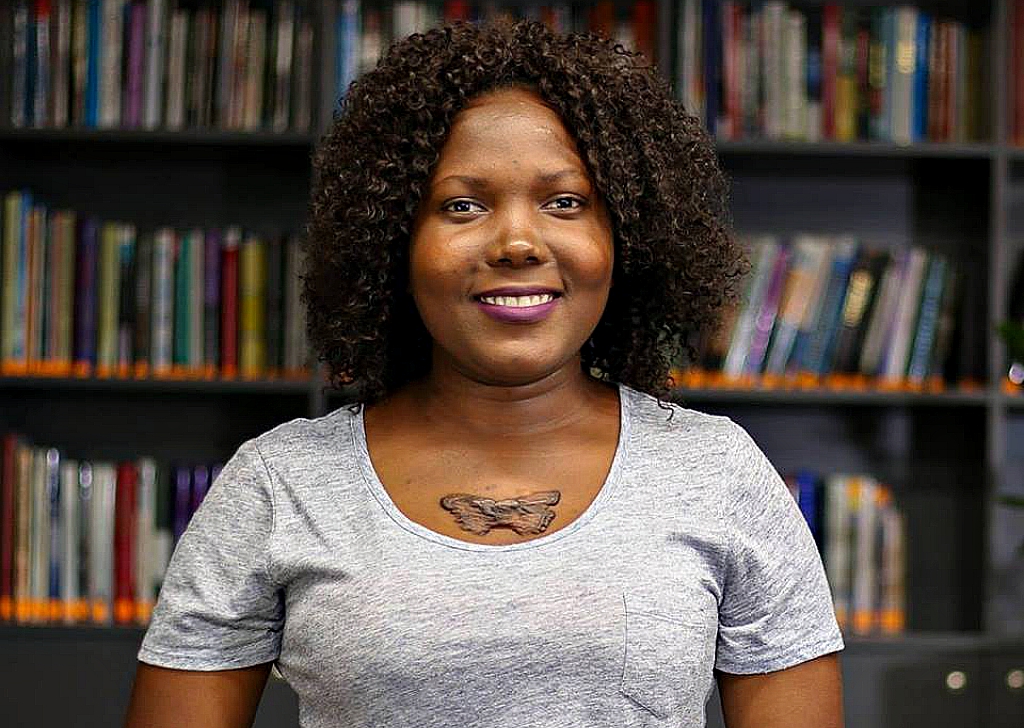
Joan Nalubega – Founder and CEO of Uganics. PHOTO/Joan Nalubega
Through Uganics, Nalubega also empowers women economically by training them to grow mosquito repelling plants and teaching methods of essential oil extraction. These women earn income and become financially independent by supplying plants and essential oils to Nalubega and her team for the production of her soap.
Ventures Africa © Copyright 2019