Business
The Spaza Shop Syndrome: Why South Africa Needs a Bolder Vision for Entrepreneurship


By Kei Rapodile
South Africa stands at a crossroads in its economic development journey. The Department of Small Business Development’s recent announcement of an additional R125 million (US$7.01 million) for the Spaza Shop Support Fund has reignited debate about the country’s entrepreneurial priorities.
While supporting spaza shops has become a familiar and politically popular strategy, it is time to question whether this approach is truly setting South Africa on a path to inclusive prosperity – or simply managing poverty with limited ambition.
The Role and Reality of Spaza Shops
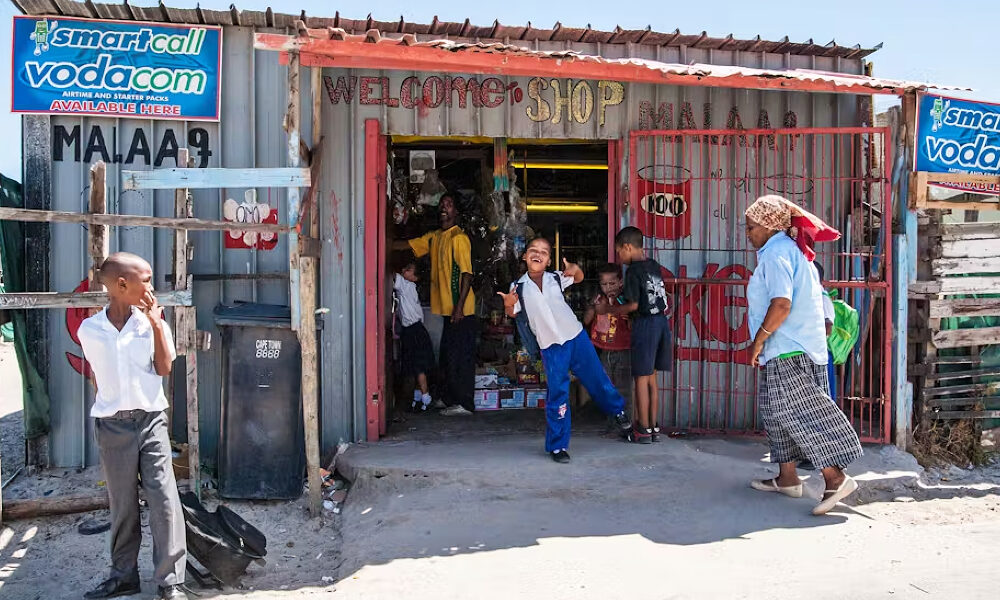
Spaza shops are a cornerstone of township economies. They provide essential goods, create local jobs, and offer a lifeline for many families.
In communities where formal retail is scarce, these micro-enterprises fill critical gaps. For decades, they have been celebrated as symbols of grassroots entrepreneurship and resilience.
However, the economic reality facing the retail sector is sobering. Major players like Pick n Pay have sounded alarms about stagnating growth, shrinking margins, and the tightening grip on consumer spending.
Spaza shops, as the smallest and most vulnerable links in this retail chain, are especially exposed to these pressures. Pouring more money into a sector already under strain, without addressing its structural limitations, risks perpetuating a cycle of low-growth, survivalist businesses.
The Pitfall of a One-Dimensional Strategy
The government’s focus on spaza shops as the flagship of youth entrepreneurship is understandable but shortsighted. While these businesses are important, they cannot – and should not – be the default entry point for every aspiring entrepreneur.
The world is changing rapidly, and South Africa’s economic strategies must evolve in response.
Today’s youth are more digitally literate, globally connected, and ambitious than ever before. Many possess skills in data analytics, software development, engineering, and business management.
Yet, the prevailing narrative and policy support still revolve around micro-retail and other low-barrier ventures. This approach fails to harness the full potential of South Africa’s emerging talent.
The Case for Strategic Diversification
A truly transformative entrepreneurial strategy requires diversification – both in the types of businesses supported and the sectors prioritized. South Africa’s future prosperity depends on nurturing enterprises that can compete in high-growth, high-impact industries such as technology, green energy, advanced manufacturing, and financial services.
Imagine the possibilities if even a fraction of the R125 million (US$7.01 million) allocated to spaza shops was redirected toward:
- Tech incubators in rural and township areas: These could help young innovators turn ideas into scalable businesses, creating jobs and exporting solutions beyond South Africa’s borders.
- Seed funding for black-owned green infrastructure startups: Supporting ventures in renewable energy, water management, and sustainable construction would not only address urgent environmental needs but also position South Africa as a leader in the green economy.
- Manufacturing cooperatives in emerging industries: Investing in advanced manufacturing could revitalize local economies, reduce import dependence, and build new export markets.
- Mentorship and capital for youth-led logistics and engineering firms: These sectors offer significant multiplier effects, supporting broader industrialization and infrastructure development.
Such investments would do more than create jobs – they would lay the foundation for a more resilient, competitive, and inclusive economy.
The Importance of Institutional Imagination
South Africa does not lack entrepreneurial talent; it suffers from a deficit of institutional imagination. Funding spaza shops is administratively simple and politically appealing.
It produces quick wins and easily measurable outcomes. But it does little to move the needle on long-term growth, innovation, or global competitiveness.
The challenge is to reimagine enterprise development in a way that aligns with South Africa’s ambitions. This means:
- Investing in high-growth sectors with scalable potential: Prioritize funding and support for industries that can absorb large numbers of skilled youth and generate significant economic value.
- Developing targeted support for youth and women entrepreneurs: Ensure that opportunity pipelines are open to all, especially those historically excluded from mainstream economic activity.
- Building regional innovation hubs: Connect local talent with global markets, fostering collaboration and knowledge exchange across provinces and industries.
South Africa’s entrepreneurial policy must move beyond managing poverty and begin building prosperity. Spaza shops will always have a place in the economic landscape, but they cannot be the centerpiece of a nation’s growth strategy.
The next decade should be about cultivating the founders of tomorrow’s major enterprises – those who will drive innovation, create sustainable jobs, and elevate South Africa’s standing in the global economy. By embracing a more ambitious, diversified, and future-oriented approach to enterprise development, South Africa can unlock the full potential of its people and secure a more prosperous future for all.
Kei Rapodile is a registered Business Adviser and certified DTT Technician with a focus on Marketing, Construction, and ICT. He is the founder of Ebos Advisory, a micro advisory firm supporting enterprise growth and local economic development. Over the past 5 years, he has delivered 3,000m² of completed structures and trained over 500 students in digital literacy. With 10+ years of experience, Kei bridges strategy, infrastructure, and digital systems for practical impact. He is committed to reshaping South Africa’s built environment through innovation and inclusive enterprise.