Opinion
The Rise of Africa’s Next Megacities


By Dishant Shah
Africa is experiencing rapid urbanization, with several of its cities on track to become the world’s next megacities by 2050. Defined as cities with populations exceeding 10 million, megacities serve as economic and cultural hubs, driving regional and global growth.
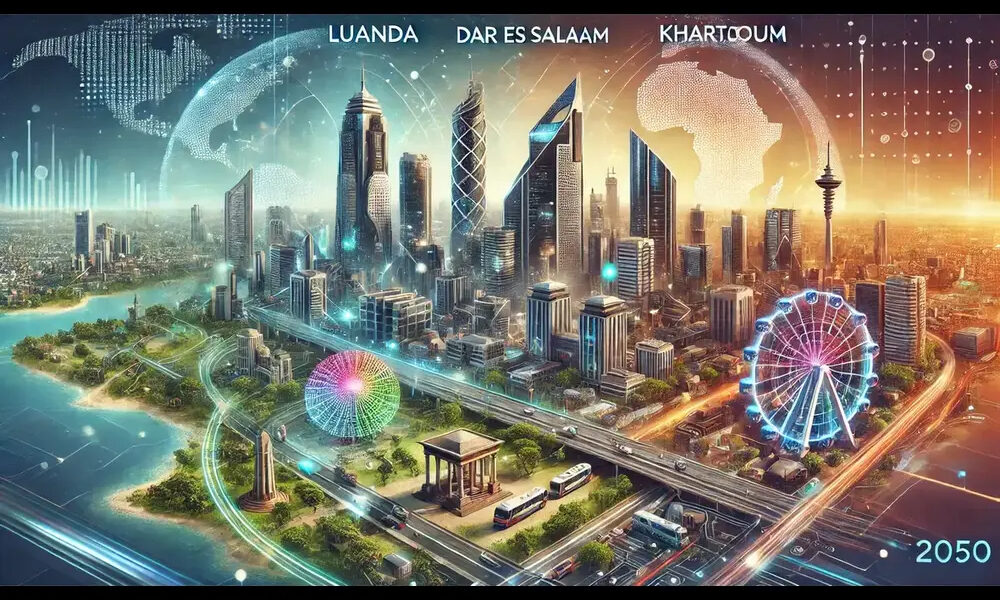
While cities like Lagos, Cairo, and Kinshasa have already reached this milestone, others are quickly following suit. By 2050, four additional African cities – Luanda (Angola), Nairobi (Kenya), Dar es Salaam (Tanzania), and Khartoum (Sudan) – are expected to surpass the 10-million mark.
Luanda: The Expanding Economic Hub
Currently home to approximately 9 million people, Angola’s capital, Luanda, is projected to grow by 62 percent, reaching 14.6 million by 2050. As one of Africa’s largest ports and a center for oil, trade, and finance, Luanda continues to attract investment.
The city’s vast natural resources, including oil and diamonds, fuel its economic expansion despite challenges such as income inequality and infrastructure demands.
Nairobi: The Silicon Savannah’s Boom
Nairobi, Kenya’s bustling capital, is expected to double its population from 5.2 million to 10.4 million by 2050. A major East African hub for business, technology, and logistics, Nairobi has earned the nickname “Silicon Savannah” due to its thriving startup ecosystem.
With advancements in fintech, e-commerce, and mobile technology, the city is poised to become a key player in Africa’s digital transformation.
Dar es Salaam: One of the Fastest-Growing Cities in the World
Dar es Salaam is on track for explosive growth, expanding from 7.5 million residents to an astonishing 16.4 million – a 118 percent increase. As Tanzania’s primary port and economic center, the city is seeing significant investment in trade, real estate, and manufacturing.
Infrastructure projects such as the Dar es Salaam Maritime Gateway and the Standard Gauge Railway further position it as a rising regional powerhouse.
Khartoum: A Strategic Commercial and Transport Hub
Sudan’s capital, Khartoum, is projected to grow from 6.2 million to 11.2 million by 2050, marking an 80 percent increase. Despite political and economic challenges, Khartoum remains a crucial commercial and transportation hub.
Strategically located at the confluence of the Blue and White Nile rivers, it plays a vital role in trade and agriculture, offering long-term economic potential.
The Driving Forces Behind Africa’s Urban Boom
The continent’s urbanization is fueled by population growth, economic opportunities, and rural-to-urban migration. Millions of people are moving to cities in search of employment, education, and improved living standards.
However, rapid urban expansion brings both opportunities and challenges. Infrastructure, housing, healthcare, and transportation systems must evolve to accommodate the growing populations. The rise of informal settlements highlights the urgent need for affordable housing solutions.
Opportunities for Growth and Development
Despite these challenges, the emergence of new megacities presents significant prospects for businesses, investors, and governments. Key sectors such as construction, technology, and consumer goods are set to experience increased demand.
With strategic planning and investment, these cities can transform into economic powerhouses, fostering job creation and sustainable development.
Shaping the Future
The decisions made today will determine whether Africa’s rapidly expanding cities thrive or struggle under the pressures of urbanization. By implementing smart policies, investing in infrastructure, and promoting inclusive growth, these cities can become engines of prosperity, shaping the continent’s future in the decades to come.
Dishant Shah is a partner at Legion Exim, a company specializing in facilitating the export of high-quality engineering products directly sourced from manufacturers in India to Africa. His areas of expertise include new business development and business management.