Opinion
The Renaissance of Caribbean Cocoa: A Path to Regional Prosperity


By Ryan Elcock
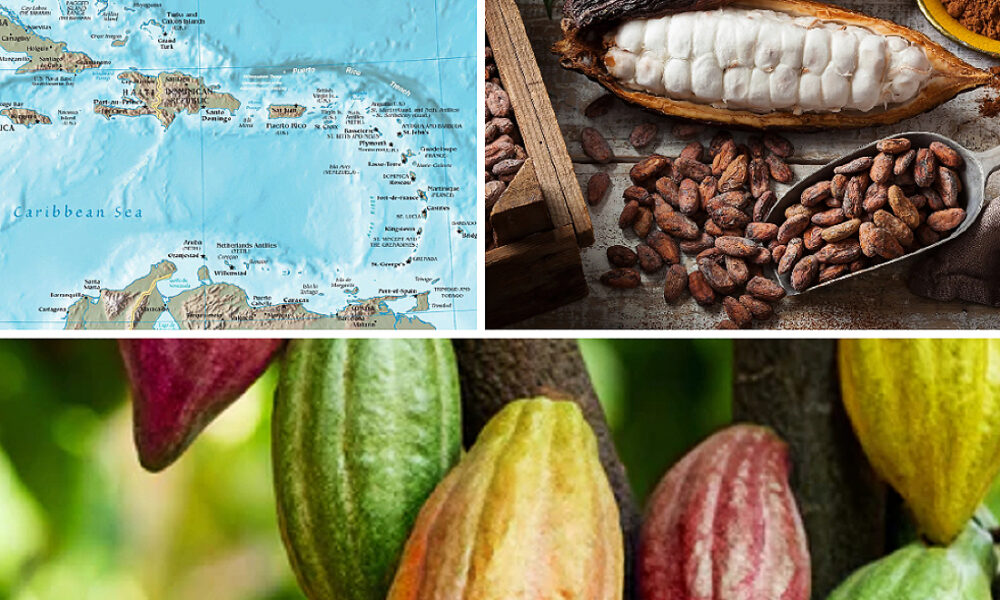
Although more than 60 percent of the world’s current cocoa production comes from West Africa, the journey of cocoa in the Caribbean began in the 17th century; with the crop initially introduced by European colonizers who recognized the islands’ potential for cultivating this precious commodity to meet Europe’s growing demand for chocolate.
The fertile soil, ample rainfall, and warm climate of the Caribbean islands provided the perfect conditions for cocoa trees to thrive. By the 18th and 19th centuries, fueled by the exploitation of African slave labor, cocoa became a significant economic driver for several Caribbean islands such as Trinidad & Tobago, Belize, St. Lucia, Dominican Republic, Haiti, Grenada, along with St. Vincent & the Grenadines.
However, cocoa production in the Caribbean, particularly in Trinidad & Tobago, declined in the earlier part of the 20th century due to a variety of factors such as the diseases affecting cocoa trees; hurricanes; and competition from other regions, such as Asia and Africa.
Additionally, the shift towards bulk cocoa production in larger, more mechanized farms in other parts of the world further marginalized the Caribbean’s role in the global market. Despite these setbacks, the quality and value of Caribbean cocoa, characterized by its unique flavors and quality, remained undisputed among connoisseurs leading to a desire for the revitalization of the region’s cocoa production in such places like Trinidad & Tobago, Belize, and St. Vincent & the Grenadines.
The Renaissance of Fine-Flavored Cocoa
Today, the global cocoa market is witnessing a transformative shift towards quality, sustainability, and traceability. Furthermore, there is a growing demand for fine-flavored or “single-origin” chocolates, which are made from cocoa beans sourced from specific regions known for their distinctive flavor profiles.
This trend represents a significant opportunity for the Caribbean, given its historical reputation for producing some of the finest cocoa in the world in countries. The present opportunity for the Caribbean lies in tapping into this niche market by revitalizing its cocoa industry especially in countries like Trinidad & Tobago.
The region’s diverse microclimates and varietals of cocoa in several countries like Trinidad & Tobago, Grenada, St. Lucia, Dominica, and Jamaica lend themselves to producing an array of fine-flavored beans that can cater to the premium segment of the global chocolate market. Moreover, the increasing consumer interest in the provenance and sustainability of food products aligns with the Caribbean’s potential to offer transparently sourced, ethically produced cocoa.
The Unique Appeal of Caribbean Cocoa
Cocoa produced from the Caribbean has been known for its exceptional flavor profiles, which range from fruity and floral to nutty and spicy nuances, distinguishing it from the bulk cocoa produced in other parts of the world. These flavors are the result of the Caribbean’s diverse microclimates, soil types, and the genetic diversity of its cocoa plants. Fine-flavored cocoa beans are a product of this unique environment, combined with traditional farming practices that have been passed down through generations.
Terroir and Its Influence
Terroir, a term borrowed from the wine industry, refers to the unique combination of factors including soil, climate, topography, and biodiversity, which gives agricultural products their distinctive characteristics. In the Caribbean, the diversity of microclimates across different islands, and even within single islands, results in cocoa beans with a wide range of flavor profiles. For example, from the volcanic soils of St. Lucia to the rainforests of Trinidad, each environment contributes unique notes to the cocoa beans, ranging from fruity and floral to earthy and spicy. This diversity of flavors is a key aspect of Caribbean cocoa’s appeal, offering a palette of tastes that are highly prized by chocolatiers and connoisseurs alike.
Traditional Farming Practices
The cultivation of cocoa in Caribbean countries, such as Trinidad & Tobago, is often characterized by small-scale, family-run farms that have passed down their knowledge and techniques through generations. These traditional practices, including shade-grown cultivation, mixed cropping, and natural pest management, not only contribute to the sustainability of the farming systems but also enhance the quality of the cocoa beans. Such methods promote biodiversity, improve soil health, and reduce the need for chemical inputs, leading to cocoa beans that are not only fine flavored but also produced in harmony with the environment.
Genetic Diversity of Cocoa Varieties
The Caribbean region is home to a rich genetic diversity of cocoa, including Criollo, Trinitario, and Forastero varieties, as well as numerous local hybrids. This genetic diversity is a treasure trove for producing beans with distinctive flavor profiles. For example, Criollo is known for its delicate and complex flavors, and Trinitario, a hybrid with both the hardiness of Forastero and the fine flavors of Criollo; both of which are particularly valued. The presence of these varieties, coupled with the region’s expertise in selective breeding and cultivation, further elevates the quality and uniqueness of Caribbean cocoa.
Artisanal Processing Techniques
The crucial step in developing the flavor of cocoa is the post-harvest processing, which includes fermentation and drying. In Caribbean countries, such as St. Lucia, these processes often remain artisanal, with techniques refined over decades to optimize the flavor profiles of the beans. Fermentation is carefully monitored to achieve the perfect balance of acidity and bitterness, while sun-drying on wooden trays under the Caribbean sun ensures the beans develop their full aromatic potential. These artisanal methods, while more labor-intensive, are key to producing the high-quality beans that define Caribbean cocoa.
Global Market Demand for Sustainable and Ethical Products
The global chocolate market has seen a shift towards high-quality, artisanal products where consumers are increasingly interested in the provenance of their food; seeking out products that are not only delicious but also ethically sourced and produced. This trend towards “bean-to-bar” chocolate, where the entire production process is controlled to ensure quality and sustainability, has opened new avenues for Caribbean cocoa. This had led to a willingness by chocolate enthusiasts and connoisseurs to pay a premium for chocolates that offer a unique tasting experience and adhere to ethical production standards.
Premiumization and Artisanal Chocolate
In the realm of chocolate production, consumers eagerly seek premium products that offer superior quality and unique sensory experiences leading to a surge in demand for artisanal and craft chocolates that highlight the distinct flavors of their cocoa origins. Artisanal chocolate makers often use single-origin cocoa beans to create chocolates that reflect the specific terroir of their source, much like fine wines. This trend towards premiumization benefits several Caribbean cocoa producers, such as Grenada, St. Lucia, Trinidad, Dominica and Jamaica; known for their fine-flavored cocoa beans that can produce chocolates with complex and unique taste profiles.
In addition, the Caribbean’s rich culinary heritage and biodiversity also presents opportunities to innovate with local flavors and ingredients, creating chocolates that offer a taste of the Caribbean’s cultural and natural richness in flavor profiles and chocolate products that continually evolve to meet consumer desires for new and unique taste experiences. Furthermore, there has been a growing interest in chocolates that incorporate local and exotic ingredients, offering a fusion of flavors that can surprise and delight the palate.
Ethical Consumption
As today’s consumers become more informed and concerned about the environmental and social impact of their purchases than ever before, there is a growing demand for products that are not only of high quality but also ethically sourced and produced.
In the chocolate industry, this translates into a preference for brands that ensure fair trade practices, support sustainable farming, and contribute to the economic well-being of cocoa producing communities. The Caribbean, with its potential for sustainable, small-scale cocoa farming, is well-positioned to meet this demand by emphasizing its commitment to ethical production and environmental stewardship.
Alongside ethical consumption, there is an increasing desire for traceability and transparency in the food supply chain. Consumers want to know where their food comes from, how it’s made, and whether it’s produced under fair conditions. In Trinidad & Tobago, companies, such as Trinidad & Tobago Fine Cocoa Company (TTFC) are responding with more transparent sourcing and production practices, providing detailed information about the origin of cocoa beans and the people behind them. By taking such steps to promote the traceability of their beans and sharing the stories of their farms and communities, Caribbean cocoa producers would be able to connect with consumers looking for authentic, transparently sourced chocolate products.
Policy Support and Enabling Environment Through Partnerships and Collaboration
To fully leverage the socioeconomic benefits and value of the cocoa sector, Caribbean governments must adopt a proactive approach. This involves recognizing the sector’s potential and navigating the complexities of the global market through creative coordination among all stakeholders.
By investing in processing capabilities and opening markets, governments can unlock the untapped opportunities within the cocoa industry. An enabling policy framework is crucial to maintain continuity and foster systematic engagement, which in turn will encourage innovation, such as quality production standards and value-added initiatives, ensuring the region retains the benefits of its cocoa rather than exporting them as raw commodities.
Strategic partnerships, underpinned by coordinated regional strategies, amplify the sector’s impact. These collaborations can optimize expertise exchange, showcase unique origins through collective certification, and facilitate direct connections between producers and global buyers.
That said, the responsibility lies with the governments to foster an environment conducive to cooperation, leveraging both international resources and domestic coordination to optimize the resources invested. By mobilizing public and private sectors, the Caribbean can unlock the full promise of its cocoa sector, positioning itself as a global leader in fine-flavored cocoa production for generations to come.
Several approaches the government include the following:
1. Public-Private Partnerships (PPPs)
Public-private partnerships would leverage the expertise of both the public and private sectors in the cocoa industry to share the risk and benefits of their investment in the following areas:
Infrastructure Development: Investment in critical infrastructure, such as roads, irrigation systems, and post-harvest processing facilities, to significantly reduce logistical challenges and post-harvest losses, while improving overall productivity and quality of cocoa beans.
Research and Development: Collaborations between government research institutions and private companies to the develop disease-resistant cocoa varieties, innovative farming techniques, and new value-added cocoa products, ensuring the sector’s long-term sustainability.
Access to Finance: Governments can partner with financial institutions (local, regional and international) to create tailored financing solutions for cocoa farmers and entrepreneurs, such as low-interest loans, credit guarantees, and insurance products, making it easier for them to invest in improvements and expansion.
2. International Collaborations
Engaging in international collaborations could lead to new opportunities for knowledge exchange, market access, and funding for Caribbean cocoa farmers and producers. These collaborations could possibly involve:
Knowledge Exchange and Capacity Building: Partnering with international research organizations and cocoa institutions to facilitate the transfer of cutting-edge agricultural practices and technologies to Caribbean cocoa farmers.
Certification and Market Access: Collaborating with international certification bodies and trade organizations which would assist Caribbean cocoa producers in meeting international standards and certifications, such as Fair Trade and Organic, enhancing market access and premium pricing opportunities.
Sustainable Development Goals (SDGs): Aligning with international organizations focused on achieving the SDGs could also help address broader challenges in the Caribbean’ cocoa sector, such as poverty reduction, gender equality, and environmental sustainability, through targeted programs and initiatives.
3. Community-based Initiatives
At the heart of the Caribbean’s cocoa value chain are the cocoa-producing communities. Strengthening these communities through collaborative initiatives would lead to more equitable and sustainable cocoa production:
Farmer Cooperatives and Associations: Encouraging farmers to organize into cooperatives or associations would enhance their bargaining power, provide shared access to resources and information, and facilitate collective marketing efforts, leading to better prices and reduced costs.
Community-led Environmental Management: Encouraging collaboration among cocoa farmers, environmental groups, and local governments to implement sustainable land and water management practices would protect natural resources and enhance the resilience of cocoa landscapes to climate change.
Social Programs: Partnering with NGOs and social enterprises to implement education, health, and empowerment programs in cocoa-producing communities would help improve the quality of life for farmers and their families, fostering a more stable and motivated workforce.
The Way Forward: Seizing the Opportunity for Transformation
The revitalization of the Caribbean’s cocoa sector presents a unique opportunity for the region to regain its once lofty position in the global chocolate market. By capitalizing on its rich heritage, unique terroir, and commitment to sustainability and ethical production, the Caribbean region would be able to position itself as a leading producer of fine-flavored cocoa and premium chocolate products.
However, realizing this vision will require political will, collective action, investment, and innovation across the entire cocoa value chain. The governments of cocoa producing countries in the Caribbean must understand the real value of the cocoa sector to unlock its full potential.
Furthermore, there must be a desire to embrace innovation in the cultivation and processing of cocoa, coupled with a steadfast commitment to sustainability, promises to position the Caribbean’s cocoa as a premium product on the global stage. The emphasis on fostering robust partnerships, value addition and market diversification aims to ensure that more of the cocoa industry’s economic benefits remain within the region, fostering local development and entrepreneurship.
These efforts are not just strategic moves for market competitiveness; they are essential steps towards building a resilient and prosperous future for the Caribbean region’s entire cocoa value chain.