Opinion
The new Scramble for Africa: Western leaders seeks strategic alliance on the continent
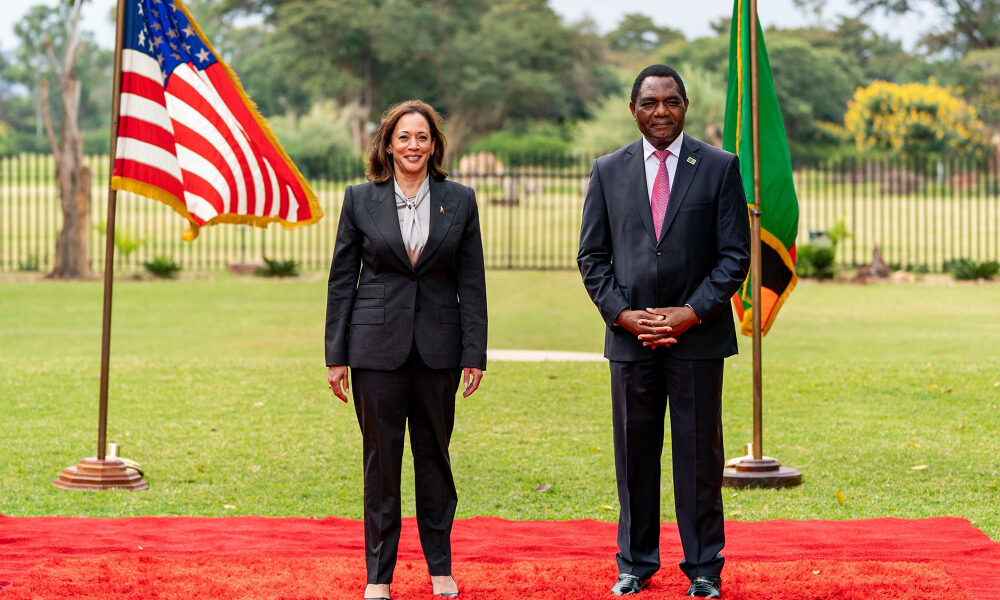


By Godfred Zina
Amid the ongoing competition for influence and resources in Africa, Western leaders have ramped up their diplomatic outreach through state visits to the continent.
French President Emmanuel Macron is currently winding up a three-day official visit to Morocco, where he held talks focused on trade, climate initiatives, and immigration policies. Macron and Moroccan King Mohammed VI have also signed investment agreements worth €10 billion (US$10.88 billion), targeting energy and infrastructure sectors, including a significant contract with Alstom for 18 high-speed train cars.
Additionally, reports indicate that the Moroccan Phosphates Office and the energy company Engie have struck a deal potentially amounting to €3.5 billion (US$3.8 billion) in investments.
France’s relationship with Morocco has grown closer since it shifted its long-standing stance to support Morocco’s autonomy plan for the disputed Western Sahara, a region also claimed by the Algerian-backed Polisario Front. In 2020, Morocco gained U.S. recognition for its claims over Western Sahara by agreeing to normalize relations with Israel.
While the African Union (AU) recognizes Western Sahara as an independent state, the United Nations does not. This dispute led Morocco to exit the AU in 1984, though it rejoined in 2017.
US President Joe Biden is also scheduled to visit Angola in December 2024, aiming to bolster U.S.-Africa ties and counter China’s growing presence. His visit will focus on partnerships, economic development, and infrastructure, including a rail project in Angola.
Although Biden postponed his promised Africa visit from 2023, high-ranking officials, including Vice President Kamala Harris and First Lady Jill Biden, have visited various African countries this year.
North Africa remains a prime destination for French investments, with more than 900 French subsidiaries established across the region.
What does this signify?
Macron’s visit could also offer a platform for both countries to address lingering issues, particularly around immigration and visa regulations.
While nations have the right to align with whichever states they choose, I believe Western countries should be cautious about interfering in African matters, especially those managed by the AU. The actions of France and the U.S. could risk heightening tensions around Western Sahara.
Godfred Zina is a freelance journalist and an associate with DefSEC Analytics Africa – a consulting agency specializing in the provision of accurate date and assessments on security, politics, investment, trade, and other risks within Africa. He is based in Accra, Ghana.