Life
The legacy and influence of Historically Black Colleges and Universities
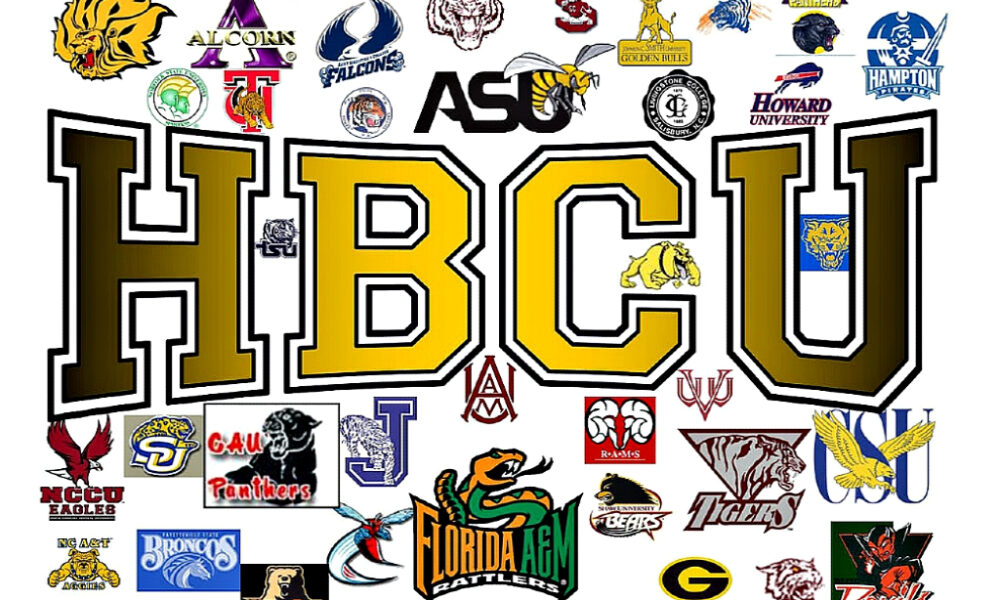
Despite some questioning the ongoing need for Historically Black Colleges and Universities (HBCUs) since the desegregation of the education system, recent years have seen a surge in interest. During the pandemic, while overall undergraduate enrollment in the U.S. declined, HBCUs experienced a record-breaking increase in student numbers.
Historically, HBCUs have been a crucial source of upward mobility and a refuge for Black Americans pursuing higher education. Prior to the full integration of schools in the United States, the majority of Black students received their degrees from HBCUs. Although those numbers have decreased over time, the 107 HBCUs across the country are now receiving renewed attention as enrollment grows and Vice President Kamala Harris, a Howard University alumna, campaigns for the presidency.
Before the Civil War, many Northern states discouraged the education of Black Americans, while Southern states often outright banned it.
Despite constituting only 3 percent of the colleges and universities in the United States, HBCUs play a pivotal role in nurturing the Black middle class. They produce 40 percent of all Black engineers, 50 percent of Black teachers, 70 percent of Black doctors and dentists, and 80 percent of Black judges.