Alorh’s eye on the Motherland
The Growing Influence of BRICS in Emerging Economies


By Mary Alorh
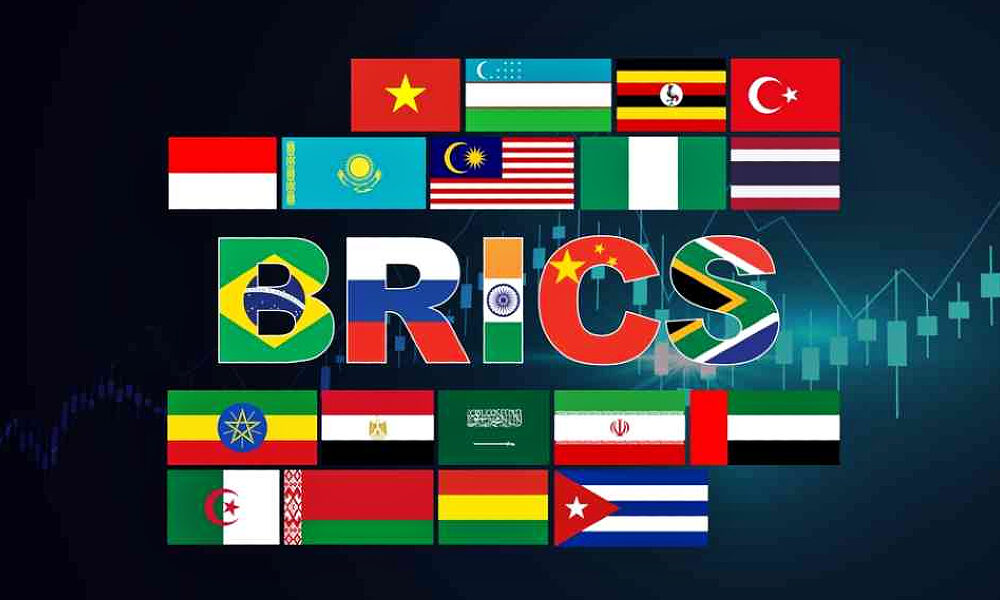
African nations and other emerging economies are increasingly aligning with the BRICS bloc, recognizing its potential as a key driver of global economic and political influence. In 2010, South Africa became the first African nation to join BRICS, marking a significant milestone in the continent’s engagement with the organization.
A Global Economic Powerhouse
BRICS represents over 40 percent of the world’s population and continues to expand its influence in global markets. The bloc accounts for approximately 25 percent of global gross domestic product (GDP), with a combined economic output exceeding US$16 trillion.
In terms of purchasing power parity (PPP), BRICS nations collectively contribute around 35 percent of the world’s GDP, surpassing the G7’s 30 percent.
Beyond economic impact, BRICS is committed to strengthening political and diplomatic ties, fostering collaboration in trade, investment, energy, and infrastructure, and advancing sustainable development initiatives.
Key Institutions Driving BRICS Initiatives
To support its mission, BRICS established key financial institutions:
- The New Development Bank (NDB) (2014): Created to finance infrastructure and sustainable development projects across member states and beyond.
- The Contingent Reserve Arrangement (CRA) (2015): Designed to provide financial security to BRICS nations, safeguarding them against global economic pressures while promoting financial stability.
Additionally, BRICS holds annual summits, hosted by member countries to discuss global challenges, set strategic priorities, and enhance cooperation. The first BRICS summit was held in Yekaterinburg, Russia, in 2009.
Africa made history when Durban, South Africa, hosted the fifth summit in 2013, followed by another summit in 2023, marking the first BRICS gathering after the COVID-19 pandemic. South Africa also hosted the 2018 Meeting of BRICS Ministers of Foreign Affairs/International Relations in Pretoria.
Expansion and the Rise of New Members
As BRICS positions itself as a key platform for emerging economies, interest in joining the bloc continues to grow.
- In 2022, Iran and Argentina formally applied for membership.
- In August 2023, at the 15th BRICS Summit, six nations – Argentina, Egypt, Ethiopia, Iran, Saudi Arabia, and the United Arab Emirates – were invited to join. Their membership officially took effect in 2024.
- In January 2025, Nigeria was admitted as a partner country, joining Uganda, another African BRICS partner. As Africa’s largest economy and most populous nation, Nigeria’s inclusion further strengthens the continent’s presence in the bloc.
A Force in Global Economic Governance
BRICS continues to play a pivotal role in shaping global economic policies, promoting cooperation among emerging markets, and driving new initiatives that support sustainable growth. As the bloc expands and adapts to global economic dynamics, it is poised to reinforce its status as a leading voice for developing nations, offering an alternative framework for international financial and political collaboration.
Mary Alorh is Director of Administration at DefSEC Analytics Africa Ltd., and is an expert in Gender, Youth, and Peace & Security initiatives in West Africa.