Owusu on Africa
The DR Congo Conflict: An Identity Crisis Fueling a Resource War


By Fidel Amakye Owusu
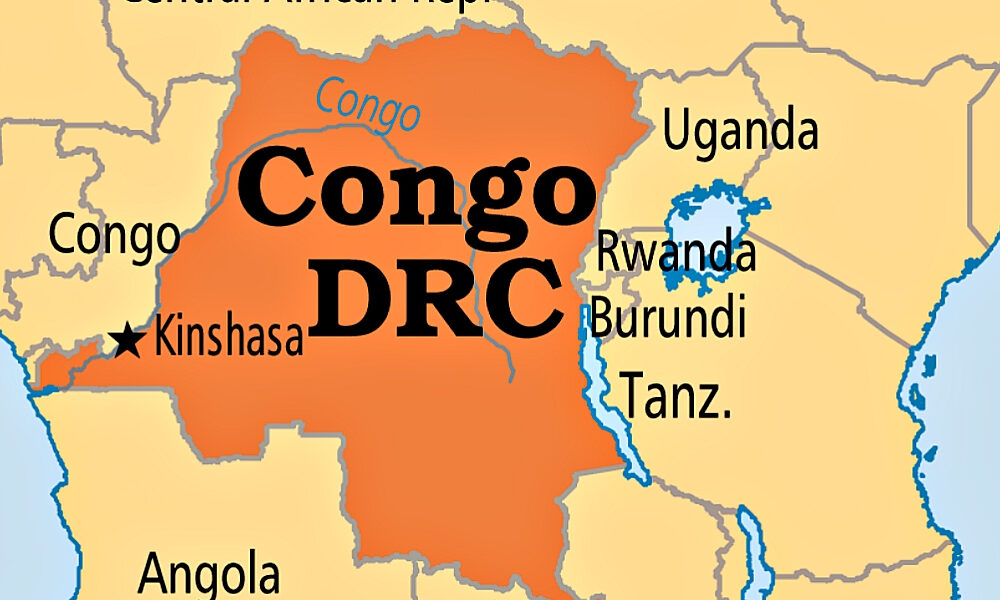
The ongoing conflict in the Democratic Republic of the Congo (DR Congo) is more than just a regional dispute – it is, at its core, a deep-rooted identity crisis that has festered for over a century. And until this fundamental issue is addressed, no amount of international diplomacy or military intervention will bring lasting peace.
In the eastern provinces of North and South Kivu, rebel groups like M23 insist on one point above all others: they are Congolese citizens. This belief is non-negotiable.
No matter how many agreements are signed between Kinshasa and Kigali – often brokered thousands of miles away in Washington or elsewhere – that conviction remains unshaken.
On the other side, pro-government militias such as the Wazalendo reject this claim outright. To them, these rebels are not fellow nationals but foreign interlopers who have no right to lay claim to Congolese soil or sovereignty.
Both sides dig in their heels, and the resulting deadlock fuels further violence.
But identity alone does not explain the persistence of this war. Eastern DR Congo sits atop some of the world’s most valuable mineral resources – coltan, cobalt, gold – resources that feed global supply chains while simultaneously financing armed factions on all sides.
Even if a consensus on national identity were somehow reached tomorrow, it would still be naïve to expect any group to simply walk away from such wealth because of a diplomatic handshake in Washington or Geneva.
Fragmented Landscape: Power, Loyalty, and Foreign Influence
If anything, recent deals seem only to intensify the struggle. Agreements forged abroad often serve not as peacebuilding tools, but as catalysts for deeper entrenchment.
Each faction doubles down on what it sees as its rightful share of the region’s riches.
The truth is, both the DR Congo and Rwanda exercise limited control over the actors on the ground. M23 leaders have previously ignored directives from Kigali, while Wazalendo fighters – who ostensibly support the government – are far from monolithic in their loyalty.
Tensions have even flared between the Wazalendo and the Congolese army (FARDC), revealing fractures within the very forces meant to maintain order.
Against this backdrop, the reported deployment of U.S. troops to the region may provoke backlash – not least due to historical sensitivities around foreign military presence on African soil. While some form of coercive leverage may be necessary to enforce peace, without local legitimacy, such efforts risk being dismissed as neocolonial interference.
Earlier this year, Erik Prince – the controversial founder of the now-defunct private security firm Blackwater – signed a deal with the Congolese government. Yet, any move toward outsourcing security to a private military company is likely to face strong resistance from regional stakeholders and civil society alike.
Compounding the challenge are the competing agendas of regional powers. Uganda, which already maintains a military presence in eastern DR Congo, has yet to formally commit to any major peace process.
Until countries like Uganda put their signatures on peace agreements, they remain spoilers capable of derailing progress.
Peace Is Not Declared – It Must Be Built
Moreover, the multiplicity of peace talks – in Doha, Nairobi, Pretoria, and Washington – only fragments the path to resolution. For instance, while M23 participates directly in negotiations in Qatar, it was notably absent from the U.S.-brokered accord.
Such dynamics create a patchwork of commitments, where rebel groups prioritize certain processes over others, undermining the coherence of any unified peace strategy.
To many Africans, externally led interventions evoke painful memories of colonial manipulation. There is a growing demand for African solutions to African problems – a sentiment rooted in both pride and pragmatism.
Given the Biden administration’s strained relations with several African governments, there is little appetite among regional actors to rally behind a U.S.-led initiative.
Even Rwandan President Paul Kagame, often seen as a key influencer in the region, faces constraints. While he may hold some sway over the conflict’s trajectory, his ability to deliver peace is not absolute – no matter how sincere his intentions might be.
Ultimately, as the situation in Ukraine reminds us, calling for peace is not the same as achieving it. Peace cannot be declared by decree, nor imposed by distant diplomats.
It must be negotiated, earned, and lived – by those who bear the brunt of the war.
And in DR Congo, until identity, sovereignty, and resource rights are reconciled on Congolese terms, peace will remain elusive.
Fidel Amakye Owusu is an International Relations and Security Analyst. He is an Associate at the Conflict Research Consortium for Africa and has previously hosted an International Affairs program with the Ghana Broadcasting Corporation (GBC). He is passionate about Diplomacy and realizing Africa’s global potential and how the continent should be viewed as part of the global collective.