Opinion
The Democratic Republic of the Congo must develop its gas resources to achieve its energy accessibility goals
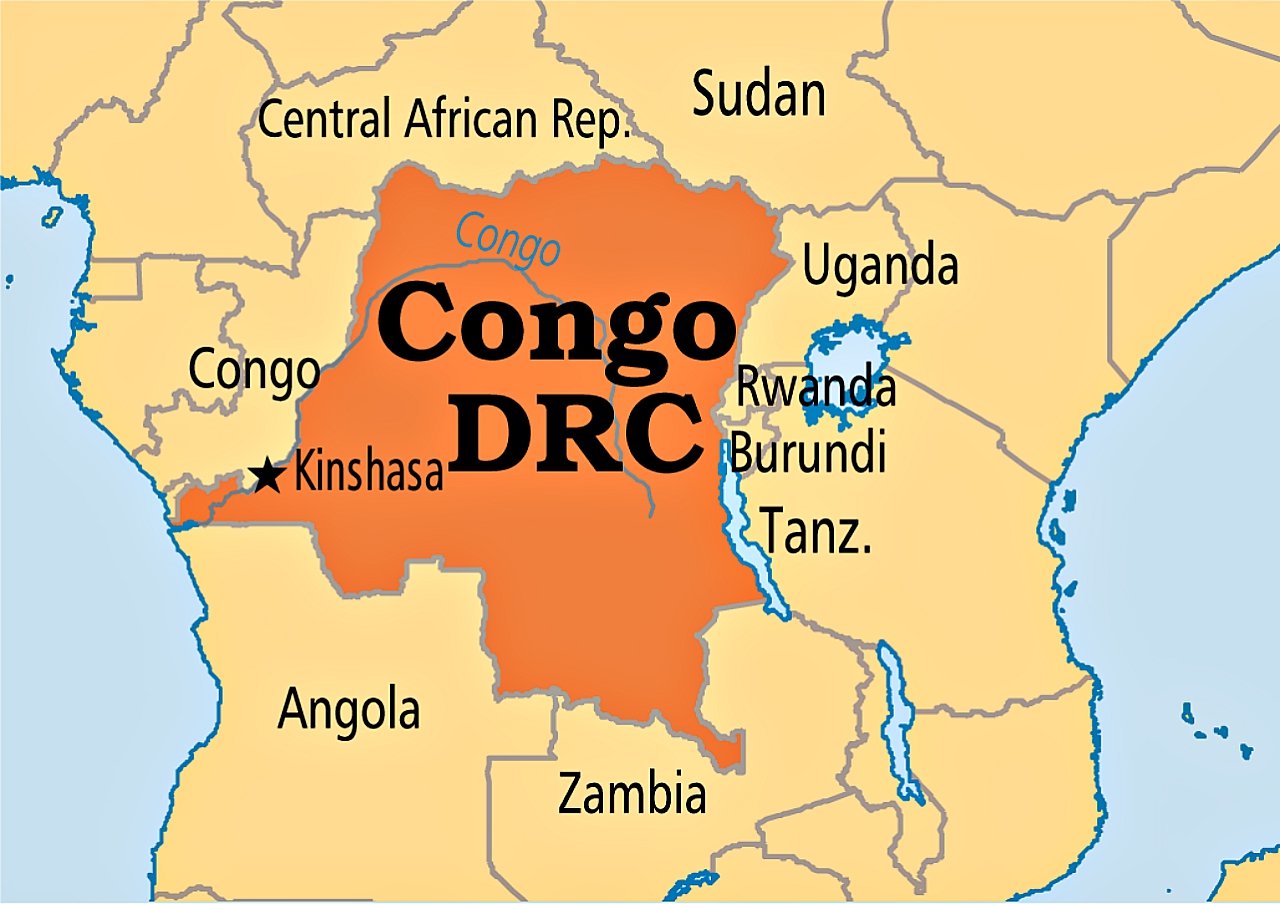
The Democratic Republic of Congo (DRC) is considered one of the richest countries in the world in terms of natural resources. It boasts a thriving mining sector and is currently in transition towards a more diversified economy. Petroleum, solar and hydro are set to play an increasingly influential role in the country’s economy and the country offers immense opportunities as just 2.5 percent of the DRC’s formidable hydro potential has been developed to date, while its offshore area is seen by petroleum operators as an attractive investment destination surrounded by oil-producing neighbors.
– DRC Special Report 2020
By NJ Ayuk
As the DRC embarks on an ambitious electrification agenda to provide power to its industries and population, diversifying its energy mix and developing its gas potential will be key to ensure reliable and affordable energy supplies. While hydropower represents the biggest proven potential for electricity generation in the country, solar, wind and especially natural gas should become a priority to ensure a diversified energy mix that primarily benefits Congolese households and industries.
Surrounded by major African oil and gas producers such as the Republic of the Congo (Congo Brazzaville) and Angola, the DRC has so far remained relatively absent of Africa’s league of hydrocarbons producers.
In 2019, only French-British independent Perenco produced oil from the DRC, at an average rate of 25,000 barrels of oil equivalent per day (boepd) from 11 onshore fields. This represents only 8 percent of Congo Brazzaville’s production, and 1.5 percent of Angola’s daily output of hydrocarbons. The difference moving forward is that the administration of President Félix Antoine Tshisekedi has made it one of its priorities to catch up with its neighbors and develop gas for domestic use.
In yet another decision supporting the development of the DRC’s hydrocarbons industry in August 2020, the Tshisekedi administration requested its Minister of Hydrocarbons, Hydraulic Resources and Power and its Minister of Finance to fast track legal processes and permits pertaining to the valorization of the natural gas produced onshore by Perenco. The decision was taken during a Council of Ministers in Kinshasa, and is expected to result in the monetization of natural gas through power generation. Such additional supply would especially help in addressing the DRC’s energy deficit, and in providing stable supply of power to its booming mining industry.
The African Energy Chamber is extremely encouraged by the government’s decision, and continues to believe that locally available natural gas offers the perfect opportunity to build power capacity in the short-term and ensure a stable and cheaper power supply for decades to come.
As the Tshisekedi administration makes energy security and investment its top priority, natural gas is what can bring the quickest gains to the country. While authorities seek to get massive hydropower projects off the ground, diversifying the country’s energy basket is what will create the most jobs and spur industrial growth.
A massive undertaking like Inga III will undoubtedly be developed with very little local content, and produced power will be reserved for exports or big foreign mining companies.
On the other side, gas-to-power facilities supplied with domestic gas are likely to generate much more local value, especially in the short and medium-terms.
The monetization of African gas is known to be the biggest value generator across the energy chain in most countries on the continent. From the upstream developments all the way to the processing of gas and transformation into power, or fertilizers and petrochemicals, the development of African gas creates jobs and generates economic value. More importantly, it is the foundation for industrial growth across industries, be it cement, mining, manufacturing or transport. From Cameroon to Tanzania, the development of natural gas has not only provided the base of reliable power supplies, but is now providing energy to industries and cars that all run on African resources.
This is the kind of opportunity that the DRC is presented with, and it seems like it is ready to seize it. There are strong reasons to be optimistic about the future of oil and gas in the DRC given current political support for the industry.
While market-driven policies are needed to ensure investments in gas monetization, an enabling environment will remain key to unleashing the massive potential of the DRC. Given current market conditions, the country is faced with the challenge of attracting exploration dollars to further appraise its gas potential and explore its basins. Only strong political will coupled with bold reforms will make this happen on a scale large enough to spur meaningful change.
With 100 gigawatts of hydropower potential, the DRC remains a very attractive frontier for energy investors. However, the development of large hydroelectric stations should not be done at the detriment of smaller and high-value generating projects based on natural gas. Under the leadership of the new administration, investors and local players are offered unique opportunities to participate and support the country’s ambitious growth plans and fight energy poverty. It is a chance for all stakeholders to rally around a visionary agenda that can transform the lives of millions of Congolese citizens.
NJ Ayuk is the Executive Chairman of the African Energy Chamber and CEO of pan-African corporate law conglomerate Centurion Law Group. He is also an author of several books about the oil and gas industry in Africa.
Africa Oil and Power © Copyright 2020