Opinion
The 10 Most Expensive Cities in Africa – And What That Means for Business


By John Kourkoutas
When you hear the phrase “most expensive cities,” your mind likely jumps to global metropolises like London, New York, or Tokyo. But in Africa, the story is far more nuanced.
High living costs on the continent often tell a different tale – one shaped by infrastructure challenges, import dependencies, and market inefficiencies rather than luxury or affluence.
Below is the current list of Africa’s ten most expensive cities for expatriates and local residents alike, based on factors such as cost of goods, housing, transportation, and overall cost of living:
1. Dakar, Senegal
As a growing coastal hub with increasing international appeal, Dakar faces high housing prices and steep import costs that quickly add up for residents.
2. Brazzaville, Republic of the Congo
Limited infrastructure and a heavy reliance on imported goods make everyday life surprisingly costly – particularly for expats.
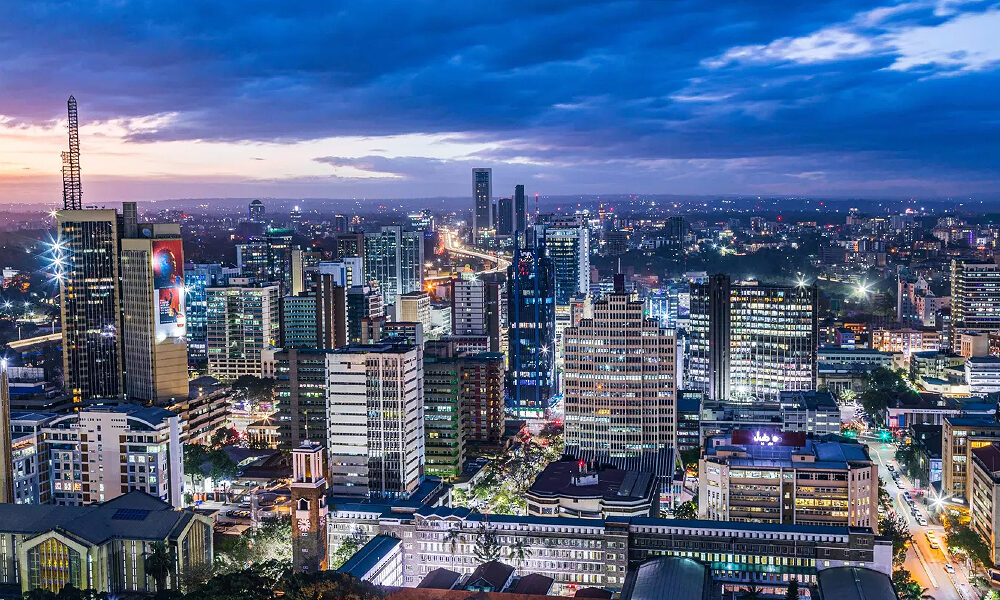
3. Nairobi, Kenya
A booming tech and financial services center, Nairobi offers opportunity alongside rising rents and transport expenses, reflecting its dual identity as both a gateway city and a developing urban environment.
4. Lagos, Nigeria
As Africa’s largest economy, Lagos draws business from across the globe. However, the cost of secure housing, chronic traffic congestion, and unreliable utilities can make living here unexpectedly expensive.
5. Kinshasa, Democratic Republic of the Congo (DR Congo)
Rapid population growth has outpaced infrastructure development, making basic logistics – and reliable services – costly and complex.
6. Libreville, Gabon
Despite its oil wealth, Libreville struggles with low domestic production. From food to construction materials, nearly everything must be imported, inflating consumer prices.
7. Addis Ababa, Ethiopia
Strategically located and undergoing rapid urban expansion, Addis Ababa faces supply chain bottlenecks and currency volatility that contribute to a high cost of living.
8. Abidjan, Côte d’Ivoire (Ivory Coast)
The economic capital of Francophone West Africa is vibrant and growing fast – but so are its housing and service costs.
9. N’Djamena, Chad
Often overlooked, N’Djamena ranks high due to limited availability of goods and services, especially for expatriates who rely on imported essentials.
10. Luanda, Angola
Once again at the top of the list, Luanda combines oil-fueled wealth with inadequate infrastructure and extreme import dependency, resulting in one of the highest costs of living in the world.
Key Takeaway: Elevated costs do not necessarily equate to increased comfort
While these cities rank among the most expensive in Africa, they don’t always offer the comforts typically associated with high-cost urban centers. Yet, they remain critical nodes in the continent’s economic landscape – offering immense potential for businesses willing to navigate their complexities.
Success in these markets demands more than just capital; it requires deep local knowledge, strategic partnerships, and an agile approach to operating in dynamic environments.
Which of these cities have you worked in? How did you adapt your business strategy to thrive in a high-cost, high-opportunity environment?
John Kourkoutas is business development expert that specializes in helping companies, export teams, and business leaders succeed in Africa’s dynamic and emerging markets.