News
Test for Ethiopia’s reforms as Sidama people vote on autonomy
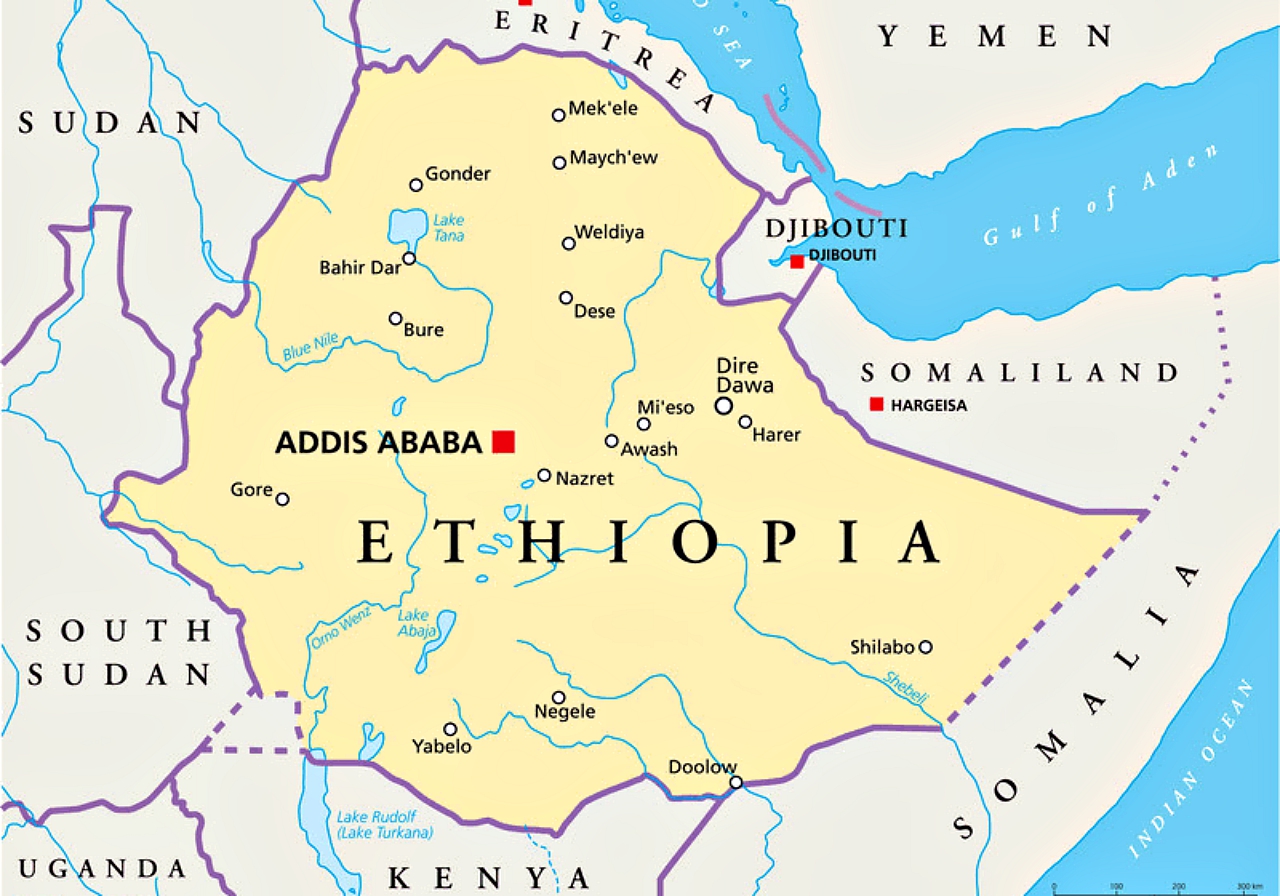
Reuters | On Wednesday, Ethiopia’s Sidama people will vote in a referendum on whether to form their own self-governing region in the southern part of the country, as sweeping reforms under Prime Minister Abiy Ahmed have emboldened ethnic groups to demand more rights.
If the referendum passes, the Sidama, Ethiopia’s 5th largest ethnic group, who make up around 4 percent of the country’s 105 million population, will gain control over local taxes, education, security and laws.
The vote is being watched closely by other ethnic groups from among more than 80 that make up Ethiopia. More than a dozen other groups are considering demanding similar votes.
The right is enshrined in the constitution, but has become a reality only now under Abiy, who in just over a year in power has made peace with long-term foe Eritrea – for which he won the Nobel Peace Prize last month – and enacted large-scale change in what was once one of Africa’s most tightly controlled countries.
New freedoms under Abiy have encouraged regional aspirations for self-rule, but also led to a surge in ethnic nationalism that some fear could lead to more unrest.
“The Sidama referendum is the first real test on the constitutional principle that all ethnic groups may become direct members of the federation with their own regional state,” said Kjetil Tronvoll, peace and conflict studies professor at Bjørknes University in Oslo.
It could “inspire other vulnerable minority groups to seek regional statehood,” which could lead to “huge operational challenges for Ethiopia”, he said.
The Sidama homeland would be carved out of the Southern Nations, Nationalities, and Peoples (SNNP) region, the most ethnically diverse part of Ethiopia, a rural region of around 20 million people that borders on Kenya and South Sudan.
The Sidama people want the multiethnic regional capital, Hawassa, located 275 kilometers from Addis Ababa, to be their own city.