Alorh’s eye on the Motherland
Term limit evasion and insecurities


By Mary Alorh
In recent years, several African nations have experienced a rise in attempts by leaders to bypass constitutional term limits, enabling them to extend their grip on power. These leaders often employ legal mechanisms to legitimize their continued rule, seeking to avoid the perception of authoritarianism.
Although the constitution is a cornerstone of democratic governance, manipulating it to prolong political tenure can create a false appearance of legality.
Back in 2011, as a university student in Dakar, Senegal, I witnessed a powerful uprising led by Senegalese youth against then-President Abdoulaye Wade‘s efforts to bypass constitutional term limits for a potential third term. The youth, rallying under the hashtag #TouchepasàlaConstitution (Don’t Touch the Constitution), sent a clear message to Wade: the constitution must be respected, and the rule of law upheld.
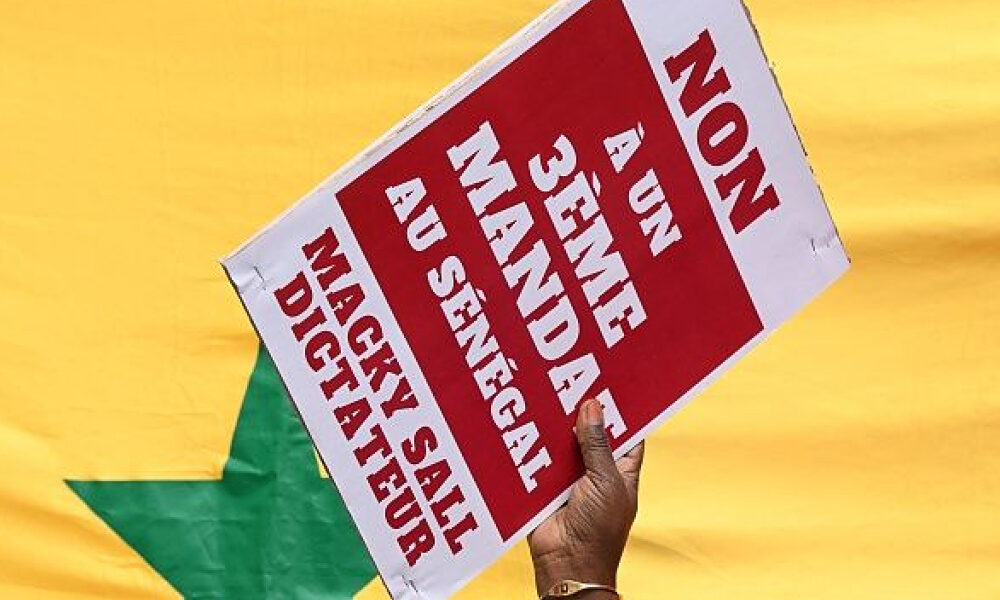
This movement paved the way for Macky Sall’s rise to the presidency. Yet, as Sall’s tenure progressed, he employed similar tactics to his predecessor, including the arrest of opposition leaders and the postponement of the 2024 elections.
The same young activists who once fought against Wade’s overreach found themselves standing up to Sall’s increasingly oppressive measures.
This recurring pattern in Senegal highlights a broader trend affecting many African countries, where governments amend the constitutions that initially brought them to power to extend their rule indefinitely.
In Côte d’Ivoire (Ivory Coast), President Alassane Ouattara revised the constitution to prolong his presidency. Similarly, in Togo, President Faure Gnassingbé has pushed through constitutional changes to secure his long-standing hold on power, despite facing significant public opposition.
In these scenarios, presidents often enjoy strong institutional support, which weakens the opposition and diminishes the democratic process.
The situation is particularly alarming in the Central African Republic (CAR), where President Faustin-Archange Touadéra is planning a constitutional referendum that could allow him to pursue a third term in 2025, despite facing significant logistical and security challenges. The CAR is already struggling with ongoing conflict and instability, and Touadéra’s move has further emboldened opposition rebel groups that continue to launch attacks against the country’s security forces.
The government’s reliance on foreign troops has intensified the conflict. Meanwhile, Touadéra’s strategy of forming alliances with militias and integrating their leaders into his administration – an approach reminiscent of Sudan’s Omar Al-Bashir – has failed to bring lasting peace and has instead fueled further instability.
The ongoing evasion of term limits has led to a surge in coups across the continent and poses a serious threat to democracy and the rule of law in Africa. If this trend continues unchecked, it will erode the very foundations of democratic governance and increase the risk of political unrest.
Mary Alorh is Director of Administration at DefSEC Analytics Africa Ltd., and is an expert in Gender, Youth, and Peace & Security initiatives in West Africa.