Business
Tanzania expects to see a growth and a drop in inflation in 2012
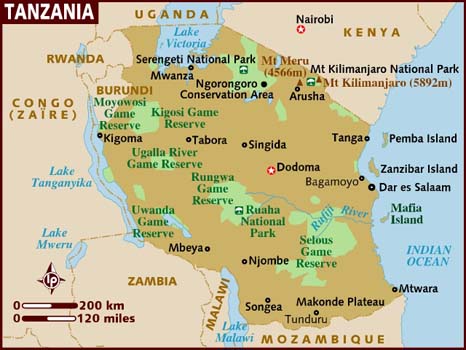
(Reuters) – Tanzania expects its punishing year-on-year inflation rate to fall to single digits by June this year from 19.2 percent in November, the east African country’s president said on Wednesday.
Like its east African neighbours, Tanzania struggled in 2011 with rising inflation driven by higher food and fuel prices, a worsening current account deficit and a slide in its currency to record lows against the U.S. dollar.
“We are still hopeful that our economy will grow at around 7 percent and that inflation will be brought down to single digits by June, 2012,” President Jakaya Kikwete said in a statement.
Chronic power shortages compounded the country’s problems against a backdrop of sluggish global recovery and the euro debt crisis.
“Inflation rose from 5.6 percent in December 2010 to 19.2 percent in November 2011, we have daunting challenges to contend with this year,” he said.
“I am confident, however, that with the plans and programmes we intend to initiate and, if we get the support of partners and friends of Tanzania, we should be able to rise to the challenges and prevail.”
Kikwete said power supply had stabilized after a period of prolonged rolling blackouts, with the government now eyeing long-term solutions to energy shortages.
The International Monetary Fund (IMF) said in November Tanzania’s growth in 2011 may exceed the 6 percent forecast earlier due to the strong performance of its telecommunications, construction and financial services sectors.
The IMF cut its 2011 growth forecast for Tanzania to 6 percent from 7.2 percent in March, saying frequent power outages would hurt output while food and fuel prices could push inflation higher.
Tanzania’s statistics office is on Monday expected to release figures for the year-on-year inflation rate for December, with analysts expecting it to reach 20 percent on rising food and fuel prices.
Kikwete said Tanzania would improve the business climate in 2012 to boost investments and continue to implement reforms aimed at developing the country to a middle-income nation by 2025.
One analyst said it was impossible for the government to bring down the inflation rate to single figures by the end of the first half of this year due to rising consumer prices.
“A single digit inflation rate by June is completely unachievable. The inflation rate will continue to accelerate in the coming months because of rising food and oil prices,” said Humphrey Moshi, professor of economics at the University of Dar es Salaam.
“Government figures show that the annual inflation rate is approaching 20 percent, but when you look at the actual increase in the prices of consumer goods out there, the real inflation rate should be in the region of 25 to 30 percent.”
Traders in the foreign exchange market said the statement had no impact on the shilling and little was expected in coming days.