News
Sudan: Omar al-Bashir asked to resign as protests over economic crisis grow
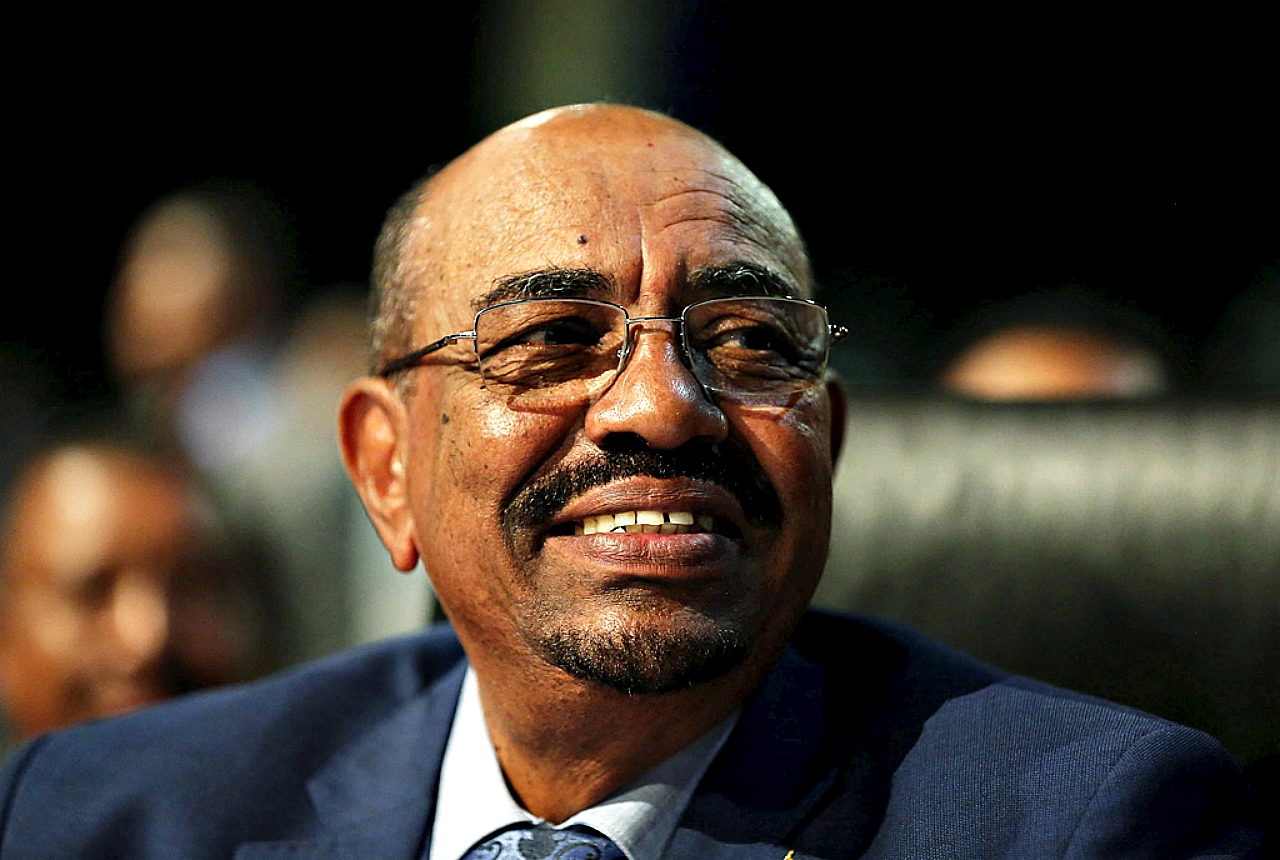
(Reuters) – Police in Sudan fired tear gas at hundreds of people trying to march to President Omar al-Bashir’s palace on Monday to protest against soaring prices and demand he step down.
Officers made dozens of arrests, while the crowd chanted: “The people want the fall of the regime,” a slogan widely used during the 2011 “Arab Spring” uprisings that shook countries across the region.
A stony-faced Bashir later appeared on national television, acknowledging the country was facing challenges and promising to address them – but he stopped short of referring to the unrest.
“Our country is going through difficult economic circumstances that have hurt a large sector in our society due to internal and external causes that you know,” the 74-year-old leader said.
“We are confident that we are close to overcoming this difficult and temporary period,” he added in the address, made on the eve of Tuesday’s Independence Day celebrations.
Anger over rising prices, shortages of commodities and a cash crisis has fueled protests across Sudan over the past 2 weeks.
Activists and rights groups have accused Bashir and his security services of using excessive force. But Interior Minister Ahmed Bilal Othman said Monday’s demonstrations were “limited” and handled “in accordance with the law”.
“While the demonstrations about fuel and bread shortages can be justified, there are entities trying to use them for chaos. We see that protests are retreating,” he told reporters.
He said 125 policemen had been injured since the unrest began.
Economic Crisis
“The opposition’s main demand at this stage is the complete change of the regime and the creation of an interim government that achieves political and economic stability in Sudan,” said Ibrahim al-Lameen, vice-president of the opposition Umma Party.
Zeinab al-Mahdi, the daughter of Umma Party Chairman Sadiq al-Mahdi, was among the protesters detained downtown on Monday, a family member said.
Authorities have shut schools, declared states of emergency in several regions, and detained some senior opposition figures since protests first broke out in the northeastern city of Atbara on December 19.
Sudan has been gripped by a deep economic crisis that began in 2011 after the southern half of the country voted to secede, taking with it three-quarters of the country’s oil output.
Opposition groups have accused the long-serving president, of mismanaging the economy and squandering resources. A series of measures, including a sharp devaluation of the Sudanese pound in October, have failed to provide immediate relief.