News
Sudan: Ex-president Bashir in court for over corruption
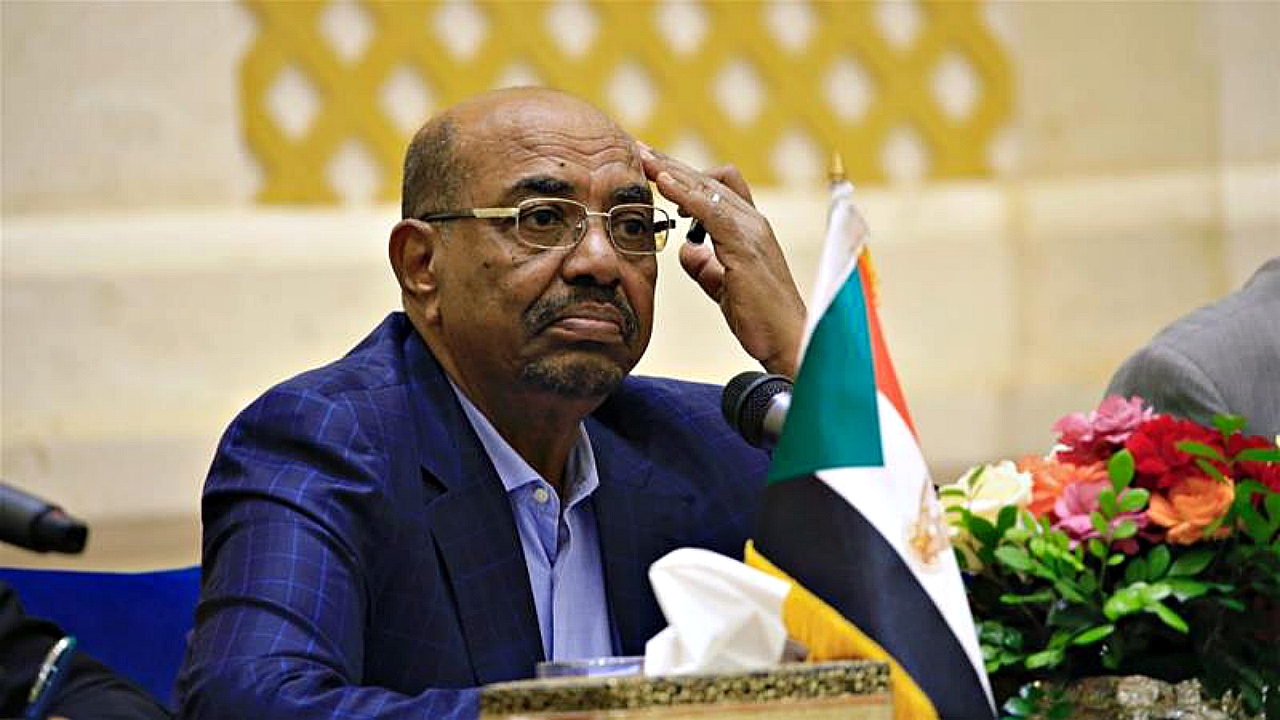
AFP | Sudan’s deposed military leader Omar al-Bashir, who ruled the country for 30 years, arrived in court Monday, August 19, in Khartoum for the start of his trial on corruption charges.
The trial comes as a sovereign council was being formed, following Saturday’s signing of a transitional constitution by protest leaders and the generals who took over after Bashir’s ouster was hailed at home and abroad as a major landmark.
The 75-year-old, whose military regime governed Sudan for 30 years, was forced from power on April 11, after months of nationwide protests.
The jailed Bashir first appeared before a prosecutor on June 16 and was informed he faced charges of “possessing foreign currency, corruption and receiving gifts illegally”.
In April, Sudan’s army ruler General Abdel Fattah al-Burhan said more than US$113 million worth of cash in 3 currencies had been seized from Bashir’s residence. In May, the prosecutor general also said Bashir had been charged over killings during the anti-regime protests which eventually led to his ouster.
Sovereign Council
The trial comes as the composition of the joint civilian and military sovereign council that will steer the country of 40 million through a 39-month transition was due to be unveiled on Monday.
The line-up had been expected to be announced on Sunday but it was delayed after 1 of the 5 nominees put forward by the opposition alliance representing protest leaders turned down the job. The ruling sovereign council will be composed of 11 members including 6 civilians and 5 from the military.
It will be headed by a general for the first 21 months and by a civilian for the remaining 18 months.
The council will oversee the formation of a transitional civilian administration including a cabinet and a legislative body.
The transition’s key documents were signed on Saturday at a ceremony attended by a host of foreign dignitaries.
Amidst the euphoria celebrating the promise of civilian rule, unease was palpable however within the protest camp that brought about one of the most crucial changes in Sudan’s modern history. One of its main causes is the omnipresence in the transition of General Mohamed Hamdan Daglo, a paramilitary commander and one of the signatories of the documents, whose forces are blamed for the deadly repression of the protests.
And it remains unclear how the transitional institutions will tackle the daunting task of pacifying a country plagued by several conflicts, including in the regions of Darfur, Kordofan and Blue Nile.