Opinion
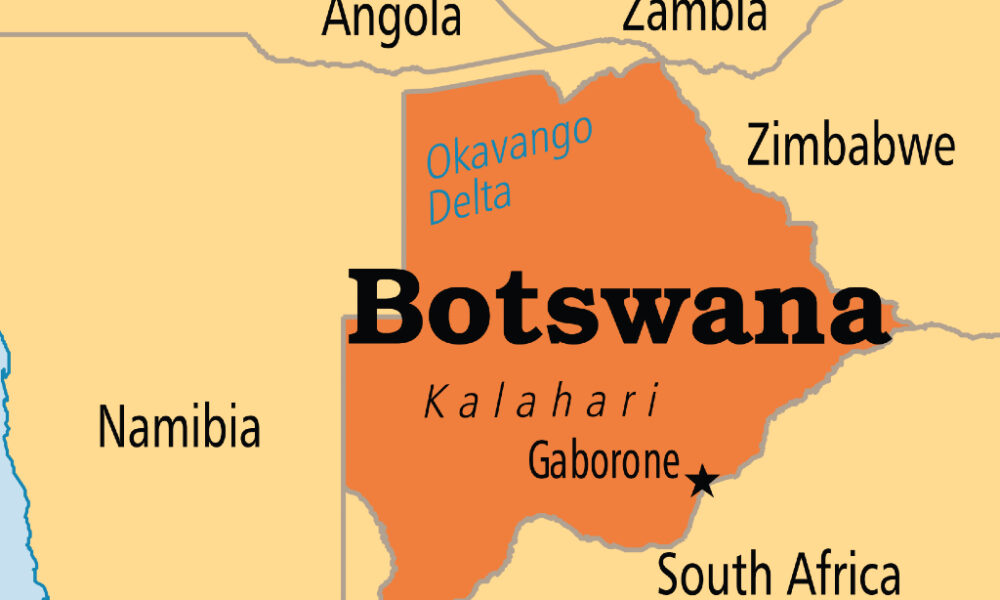
Strategic collaboration essential at Africa-US military conference in Botswana


By Godfred Zina
The Africa-US Military Conference, co-hosted by the United States and Botswana, took place on African soil for the first time since its inception in 2017, from June 25-26, 2024.
This two-day event brought together African Chiefs of Defense (ACHOD) to address pressing security and stability challenges facing the continent. Given the impact of conflicts on socioeconomic development, this conference was more crucial than ever.
The conference is part of broader US initiatives, including the African Lion military exercises held in April and May 2024 with Ghana, Morocco, Senegal, and Tunisia. Over 8,000 participants from 27 African countries and NATO members joined forces in these exercises.
Amid rising terrorism and insecurity, external actors like the US and Russia are vying for military alliances with African nations. The US has been ousted from Chad and Niger, where Russia’s influence is growing.
This year’s conference hosted senior military commanders from at least 40 African countries, slightly fewer than the 43 attendees in Italy last year. Chad, Niger, and Zimbabwe did not participate, highlighting the shifting political landscape.
Niger has fallen out with the US following a junta takeover and has asked the US to withdraw its military personnel.
At the St. Petersburg International Economic Forum, Zimbabwean President Emmerson Mnangagwa expressed openness to a military alliance with Russia. Zimbabwe continues to face sanctions from the US.
Despite setbacks in the Sahel, the US is gaining strategic ground in coastal West Africa through investments in its Trans-Saharan Counterterrorism Initiative and efforts to combat Al-Qaeda in the region.
It is commendable to see Africa hosting and partnering with other stakeholders on initiatives that concern the continent within its borders. Most of the time, African leaders fly out for such conferences.
African leaders must foster collaboration and the political will to effectively combat insecurity, as relying on external actors may not provide a lasting solution.
Godfred Zina is a freelance journalist and an associate with DefSEC Analytics Africa – a consulting agency specializing in the provision of accurate date and assessments on security, politics, investment, trade, and other risks within Africa. He is based in Accra, Ghana.