News
St. Vincent & the Grenadines bans single-use plastic bags and containers
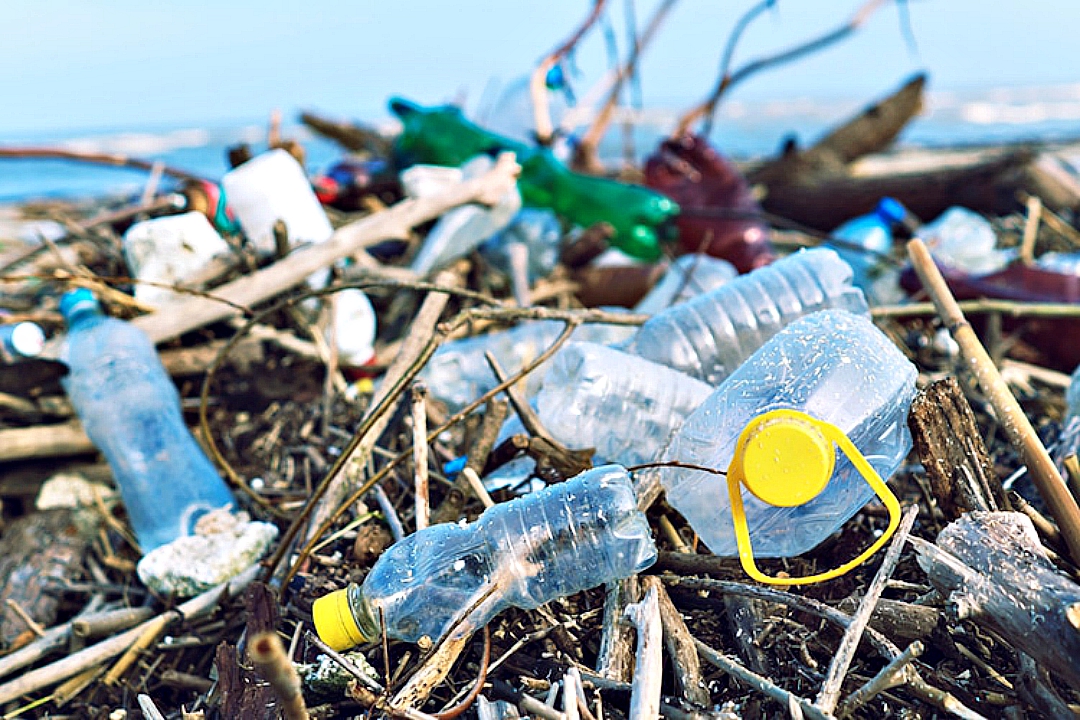
The government of St. Vincent & the Grenadines has announced a ban on the distribution, sale or use of plastic bags, single-use plastic bags and food containers within the country.
Under the law, a person shall not import plastic shopping bags from March 1, 2020 or disposable plastic food service containers from August 1, 2020 and a person shall not distribute, sell, or use disposal plastic shopping bags from August 1, 2020 or disposable plastic food containers from January 1, 2021.
The ban, announced by Minister of Health Luke Browne, comes just under 2 years after a styrofoam ban.
He told lawmakers that the styrofoam ban “allowed our environment and country to breathe a sigh of relief and on the basis of the evidence before us, dramatically reduced pollution levels. We are now taking a further step in the right direction with the implementation of a plastics ban,” Browne told lawmakers.
He said Minister of Finance, Camillo Gonsalves foretold the ban on plastics in his 2019 budget speech, in which he expressed the government’s commitment to establishing a framework for the regulation of single-use plastic bags and certain plastic containers this year.
“Today, we are fulfilling that pledge in the stipulated timeframe,” Browne said.
“As Minister of Health, Wellness and the Environment and pursuant to the authority vested in me under section 31 of the Environmental Health Services Act, I have signed a statutory rule and order entitled the Environmental Health Control of Disposable plastics Regulation 2019.”
“It has already been gazetted”, said Browne, who added that with the ban, the government expects the pollution of streets, drains and landfills of the by plastic shopping bags to end on August 1. “A sort of Emancipation Day, you might say, while we start 2021 without the hinged plastic food containers that, too often, are casually tossed into drains, streets and bushes after the user has consumed his or her meal.”
“From a strict environmental perspective, we would have preferred to bring the prohibitions into effect immediately. However, these timelines were carefully considered and calibrated with four goals in mind,” Browne said.
The health minister said that, in recent months, the government held consultations with major supermarkets, retailers and local manufacturers of plastic bags.
“We have also taken time to understand the role of the plastic bag in the socio-economic life of Vincentian consumers and businesses.”
“We recognize, for example, that many people use their supermarket bags as garbage bags in the home. We understand that many vendors in our produce and fish markets do a brisk trade in the sale of plastic bags and we understand that our local manufacturers of bags employ many hard-working Vincentians.”
Browne said some retailers have begun the process of phasing out the use of single-use plastic bags.
“I have been advised that other major retailers have engaged with overseas producers to come up with optimal reusable bags to be used in St. Vincent & the Grenadines.”
To date, Caribbean Community (CARICOM) member states including Antigua & Barbuda, Barbados, Grenada and Jamaica have passed laws or issued regulations banning various plastics.
Some bans have not been as comprehensive as the one announced in St Vincent & the Grenadines, however some of the member states have gone beyond the scope of the Vincentian legislation by enacting bans on plastic straws, plastic cups and plastic cutlery.
According to Browne, the government of St. Vincent & the Grenadines hopes that the plastic restriction will receive similar acceptance and adaptation as the styrofoam ban for the benefit of environmental health. -(CMC)