News
South Africa may avert recession if power cuts are kept at bay
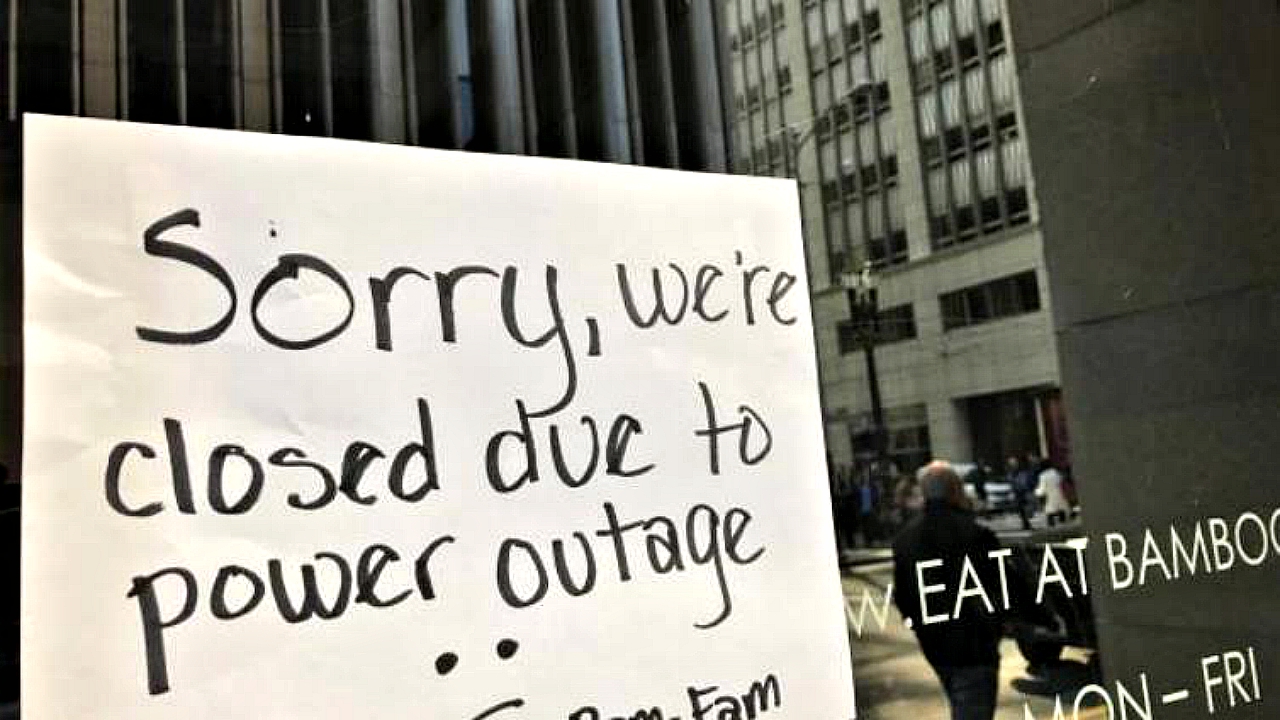
Bloomberg | South Africa’s economy, which contracted the most in a decade in the first quarter as the nation suffered the deepest power outages since 2008, may avert a recession if the electricity utility is able to keep the lights on through winter.
The wave of rolling blackouts from November through March were among the worst the country has yet experienced, causing manufacturing, mining and agriculture to lead an annualized 3.2 percent decline in gross domestic product (GDP), from a 1.4 percent expansion in the prior 3 months. While weak factory-sentiment data in the current quarter raises the risk that the economy may slip into the 2nd recession in successive years, consistent power supply could see this avoided.
“The only thing about such a large contraction is that it creates a large base effect, which helps an economy to bounce – so you would have to do worse in the 2nd quarter than the 1st quarter in order to get a technical recession,” said Gina Schoeman, an economist at Citibank South Africa. “We do not have enough visibility in the high-frequency data, but there’s no doubt, our GDP forecast for the year has been 0.9 percent and we have been below consensus – I would not be surprised if the consensus drops further now.”
Africa’s most-industrialized economy went through a recession last year and has not expanded at more than 2 percent annually since 2013. The government and central bank see the economy expanding by 1.5 percent and 1 percent respectively in this year. Power cuts could bring economic growth for the year close to zero if they resume at the same severity seen in March, when the utility that provides almost all the country’s electricity removed about 10 percent of supply from the grid daily, the central bank said in April.
Rate cuts?
With inflation largely under control, the bigger-than-expected contraction will also add to calls for the central bank to ease monetary policy. The South African Reserve Bank held its key interest rate at 6.75 percent in May, but a cut could be on the cards, with some policymakers voting for reductions for the first time in 14 months as they slashed the nation’s economic-growth forecast.
The rand weakened as much as 1.4 percent against the US dollar after the data release, while the banking index fell 4.1 percent, the most since December.
The 3.2 percent contraction compared with a median estimate for a decline of 1.6 percent, and was led by a 13 percent drop in agriculture. Mining fell 11 percent, while manufacturing decreased 8.8 percent.