News
South Africa: Industrial action in mining industry may spread to coal sector
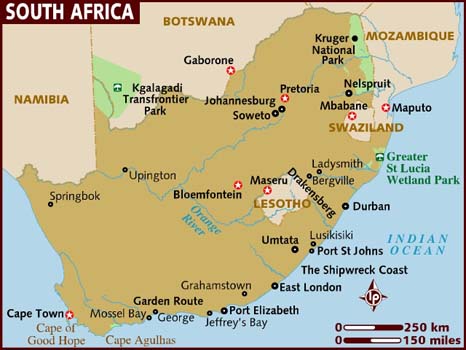
(Reuters) – Industrial action by South Africa’s platinum, gold, iron ore and diamond miners could spread to coal, potentially disrupting output from one of the world’s biggest coal suppliers.
As many as 75,000 miners, or 15 percent of the industry’s workforce in South Africa, are on strike, undermining already shaky growth in Africa’s biggest economy and threatening to spread to coal despite big differences between the sectors.
Coal majors and smaller firms said they are watching developments closely.
“There is potential for some noise from the workforce, the situation should be manageable, but sometimes logic goes out of the window,” said one executive at a mining major.
Some smaller mining companies said they could be more vulnerable.
“People at Rustenburg took matters into their own hands and got a good pay deal. So if others look at that and want the same, it could spread to other provinces or companies,” an official at a small mining firm said, referring to Lonmin’s pay rise.
Miner BHP’s South Africa coal subsidiary the BHP Billiton Energy Coal South Africa Limited (BECSA), said its operations were continuing normally.
“BECSA believes there is little risk of any strike action occurring,” the company said.
South Africa’s coal sector employs around 70,000 compared with 160,000 in gold and 180,000 in platinum. The biggest coal producers are BHP Billiton’s unit BHP Energy Coal South Africa, Anglo American, Xstrata, Glencore and Exxaro.
The coal sector was affected by industrial action in July 2011 when workers who negotiate pay through the Chamber of Mines went on a legal strike for a week in pursuit of pay rises.
Industry On Edge
South Africa is one of the world’s top five thermal coal suppliers, shipping more than half of its roughly 70 million tonnes a year of exports to Asia including India.
Fitch ratings said the protests reflect factors peculiar to the South African platinum sector but also highlight broader problems such as policy uncertainty in the mining sector and a lack of education and labor reforms.
Lonmin’s 22 percent pay rise has made the industry edgy, particularly because the stoppage was not organized by the unions, but by the workers themselves.
The coal sector has seen two labor disputes this month.
Workers at Johannesburg-listed miner Coal Of Africa began a legal strike last week and Petmin said last Friday contractors at one of its subsidiaries had begun an illegal walkout.
However, South African coal industry insiders note that it is very different to gold or platinum, as it has far fewer workers and is less dangerous. Many coal mines are opencast surface operations, as opposed to deep underground gold mines.
Wildcat industrial action has been triggered in part by union rivalry, promising to get workers better deals.
“It’s unlikely coal will face a similar situation. They’re paid better than gold or platinum and workers don’t stay in hostels, they live in townships or camps with their families,” said Jimmy Gama, treasurer of the Association of Mine Workers and Construction Union (AMCU).
Impact of Truckers Industrial Action
South African coal supplies have seen no disruption from industrial action, but some impact, particularly to flows from small mining firms, might be soon occurring because of a truckers’ strike, called by unions.
The strike halted coal transport by truck to the ports of Maputo (in Mozambique), Durban and a dry bulk Terminal at Richards Bay.
“The truckers’ strike has hit deliveries of diesel and explosives to the mines and massively hit the domestic coal market, supply to sugar and cement firms who run their own coal-fired boilers,” industry sources said.
“You may see a few ‘force majeures’ from juniors using the smaller ports who depend on trucks rather than rail,” he said.
Logistics group Transnet said there had been no material impact from the truckers’ strike on coal transport by rail.
BECSA, which moves all its coal by rail, and another mining major Anglo American, said they had not been affected by the transport strike.
But state-owned utility Eskom, which generates power mostly from coal, said it moves up to 30 percent of its fuel by truck. Disruption would put Eskom under strain as it is struggling to meet demand, trying to avoid a repeat of the 2008 blackouts.
“There are five stations at risk of falling below their minimum days’ stock levels if the strike persists,” Eskom said.