A Diaspora View of Africa
Some Doubts Appear in China-Africa Trade


By Gregory Simpkins
After the recent conclusion of the US-China trade negotiations, US President Donald Trump praised the agreement reached on social media as “a great WIN” for both sides, pledging that he and Xi Jinping will “work closely together to open up China to American Trade.”
However, the Wall Street Journal reported in a June 14 article that the promise of Chinese trade has dimmed due to domestic developments in the Asian giant.
“The reality is that China is becoming less and less interested in other countries’ goods. Its imports are stagnant even as its exports soar, a result of sluggish consumption and Beijing’s all-out push to beef up domestic industries,” the Journal article states.
“Chinese leader Xi’s effort to strengthen China’s fortress-like economy will make it harder for the U.S. and China to agree to a long-term trade deal that resolves ongoing tensions – especially one built around more Chinese purchases of American goods. It is also fueling tensions with other countries that fear trade with Asia’s rising superpower is becoming one-directional.”
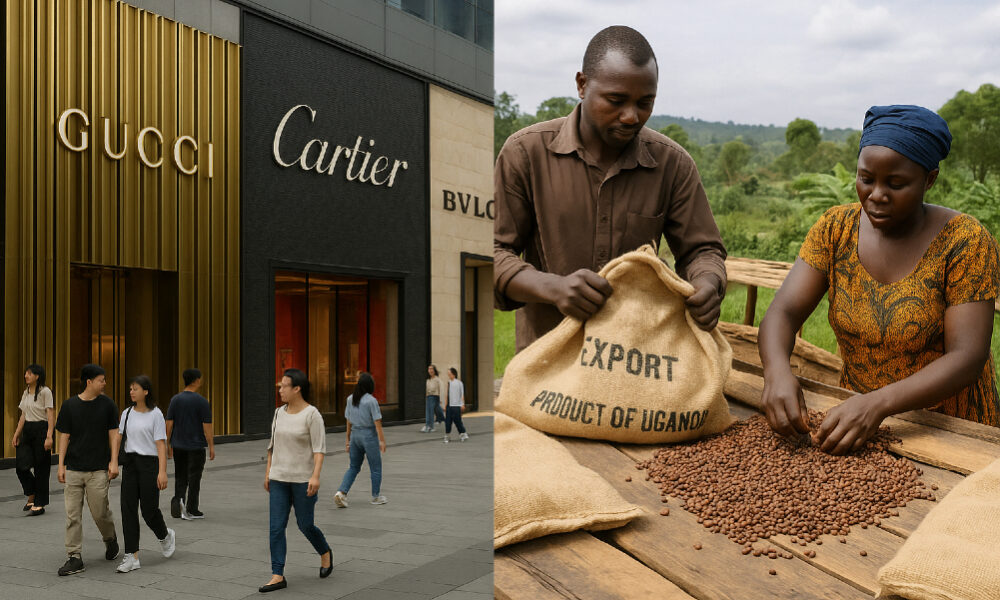
Whether for cars, chemicals or commodities, Chinese demand for many of the exports other countries produce is flat or falling, even as its economy reports modest growth of around 5 percent a year. Western brands from Swatch to Porsche to the luxury giant LVMH have reported weak sales in China as consumers keep a tight leash on spending.
This is in contrast to the situation just a year before. During the FOCAC Summit in 2024, it is worth recalling that China announced that it was removing remaining customs duties for imports from 53 African states which are on the UN list of Least Developed Countries, as a special consideration for Africa and the GlobalSouth.
According to a Global Business Council report of January 15, China currently purchases various products from African countries, including:
China imports significant amounts of raw materials from Africa, such as minerals, metals, and energy resources. Specifically, they are interested in:
- Cobalt: Used in batteries and renewable technology,
- Copper: Essential for electrical wiring and circuits and,
- Lithium: A key component in batteries.
- Petroleum Products: China also imports petroleum products from Africa, although specific details on the volume and value of these imports are not readily available.
As for the countries exporting products to China, some of the top African trading partners include:
- South Africa: With US$52.4 billion in trade, South Africa remains China’s largest African trading partner;
- Nigeria: Nigeria’s trade with China totaled US$21 billion;
- Egypt: Egypt’s trade with China reached US$17.3 billion;
- Democratic Republic of Congo (DR Congo): The DR Congo exported US$21.9 billion worth of goods to China, driven by demand for minerals like cobalt, and
- Guinea: Guinea’s exports to China grew 19 percent to US$11.7 billion, fueled by the Simandou mining project.
Regarding tariff rates, the average tariff rate for petroleum and mining products is not specified, but it’s likely that these products will benefit from the zero-tariff treatment.
From China’s side, the provinces of Zhejiang (24.9 percent), Guangdong (16.7 percent), Jiangsu (11.5 percent) and Shandong (11.5 percent) are among the top exporters to Africa.
China exports mostly manufactured goods to Africa. but imports mostly goods with low Local Value Addition goods such as minerals, petroleum and agricultural produce from Africa.
As China cements its place in the African trade landscape, its increasing appetite for African goods presents vast opportunities for African nations to enhance their trading prowess.
China has been the world’s largest exporter for several years, but its trade relations with Africa have often been skewed in favor of exporting Chinese goods and services to Africa. Even so, in the past decade, there has been a significant shift towards importing African goods to China.
This is due to the rising demand for high-quality products unique to Africa. Exporters from Africa are starting to take advantage of this demand and are increasingly looking towards the Chinese market to grow their businesses.
The Chinese government’s Belt and Road Initiative, which seeks to promote infrastructure and economic development across the globe, has created opportunities for African goods to reach Chinese consumers. In 2022, according to the General Administration of Customs of China, China-Africa trade was up 11 percent to US$282 billion.
China’s exports to Africa were US$164.49 billion, whereas imports touched US$117.51 billion.
African countries have the potential to significantly increase their exports to China if they can meet the high quality and quantity demands of Chinese buyers. This could lead to the development of new industries and more jobs across Africa.
Furthermore, African goods are increasingly being recognized for their sustainability and authenticity, and these factors are becoming increasingly important to Chinese consumers.
African Value-Added Products to China
There are several types of value-added African goods that are gaining popularity in the Chinese market. Tea, coffee, cocoa, and spices, which are in high demand among Chinese consumers.
African coffee, known for its distinct flavors and high-quality, has been gaining traction in China. Countries such as Ethiopia, Kenya, and Uganda have emerged as major exporters of coffee to China.
According to data from the International Coffee Organization, for the first six months of the current coffee year, exports totaled 6.35 million bags as which were up 0.3 percent from the previous year. China imported US$497M in coffee in 2021, becoming the 16th largest importer of coffee in the world.
Ethiopia was one of the fastest growing import markets in coffee for China between 2020 and 2021.
Tea is another popular value-added product from Africa that has found a growing market in China. African countries, particularly Kenya, Malawi and Tanzania, have established themselves as key exporters of tea to China.
According to the Tea Directorate of Kenya, China imported 853 thousand kgs of tea from Kenya in 2021.
China has begun its goal of processing African raw materials on the continent. If the United States wants to compete with China for rare earths and other critical minerals from Africa, it will have to get into the game of stimulating African manufacturing and processing.
African Exports to the United States
In contrast, African exports to the United States are more varied. The top African exporters to the United States are not directly ranked by export value, but based on recent data, here are some of Africa’s top exporters and their products:
- Textiles and Apparel: Countries like Mauritius, Madagascar and Lesotho export garments to major U.S. retailers, thanks to the African Growth and Opportunity Act (AGOA) providing duty-free access.
- Minerals and Metals: Countries like South Africa and Nigeria export minerals and petroleum products.
Agricultural Products: Africa exports cash crops like:
- Cashew nuts: With more than 68 percent of global production, Africa exports significant amounts, though most are processed in India, Vietnam and Thailand before reaching the US.
- Coffee: Ethiopia, Kenya and Uganda export high-quality coffee to the US.
- Cocoa: African countries export cocoa to the US, catering to the growing demand for chocolate products.
The top African countries with growing exports to the US are:
- South Africa: Exports vehicles, electronics and pharmaceuticals.
- Morocco: Exports agricultural products, aerospace components and renewable energy equipment.
- Nigeria: Exports petroleum machinery, food products and pharmaceuticals.
- Egypt: Exports machinery, aircraft and medical equipment.
The U.S. Africa trade relationship is growing, driven by initiatives like AGOA and the Africa Trade Desk, which aims to boost African food exports to the US market.
Pros and Cons of China and US Trade with Africa
Since President Trump announced global tariffs, which would vacate the benefits of AGOA, there has been much speculation about China filling the trade vacuum created by the United States. In terms of volume, that was happening before Trump’s announcement.
However, the variety of goods received by the United States is far greater than what China is looking for at this point. With the world’s second largest Africa Diaspora outside of Africa itself and a legion of non-Diasporans who have an affinity for Africa products, that gap in variety is not likely to be closed.
The current US determination of at least a 10 percent tariff worldwide, including Africa, means the tariff-free, quota-free benefits of AGOA will be undone. While Americans have a taste for African goods, the higher cost due to tariffs would likely curb demand by raising prices.
A lessened demand would discourage efforts to make transportation from Africa more efficient and less costly. Still, African goods should continue to flow into the United States at some level.
China has begun its goal of processing African raw materials on the continent. If the United States wants to compete with China for rare earths and other critical minerals from Africa, it will have to get into the game of stimulating African manufacturing and processing.
Much of such an effort will depend on what happens to the Millenium Challenge Account program.
With a great deal of the US foreign policy apparatus still in the redevelopment stage, it remains to be seen whether the United States will use existing programming to tie mineral exploitation to processing in Africa. But that seems to be the state of play in mining these days.
Gregory Simpkins, a longtime specialist in African policy development, is the Principal of 21st Century Solutions. He consults with organizations on African policy issues generally, especially in relating to the U.S. Government. He further acts as a consultant to the African Merchants Association, where he advises the Association in its efforts to stimulate an increase in trade between several hundred African Diaspora small and medium enterprises and their African partners.