Business
Smaller economies in Africa thrive as Nigeria, South Africa stumble
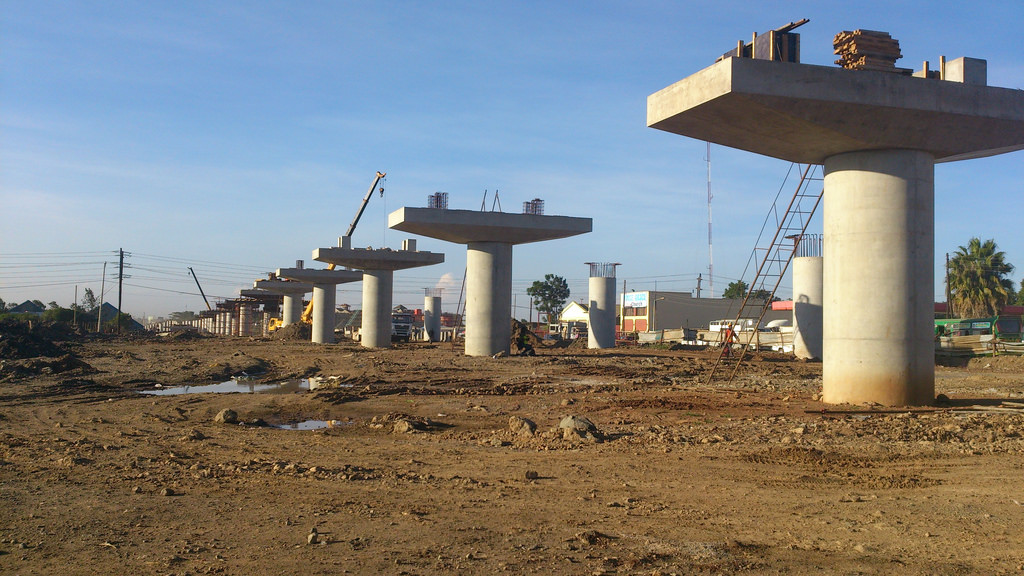
East African nations are playing an increasing role in driving growth in Africa as they ride a wave of cheap oil, slowing inflation and lower interest rates. Left behind: “Former powerhouses” Nigeria and South Africa.
The economies of Kenya, Rwanda, Tanzania and Uganda are all set to expand more than 5 percent this year, International Monetary Fund (IMF) projections show. Nigeria, struggling with weak crude prices, power outages and mismanagement of the currency, faces a 1.8 percent contraction. South Africa is set to stagnate as it contends with political and labor turmoil and lackluster demand for its minerals.
The bad news for commodities producers has been a boon for East Africa, which has done better at developing agriculture and manufacturing industries.
Low prices of energy and other inputs also have helped contain inflation and interest rates, in turn shoring up consumer spending. The region is also reaping the benefits of an improved regulatory regime and increased investment in transport links and telecommunications.
“East African nations and other oil importers have largely been insulated from the slump currently being experienced by the big commodity producers,” said Stuart Culverhouse, chief economist at Exotix Partners LLP. “The fact that they were unable to rely on behemoth industries also forced them to take some tough decisions and tough reforms earlier and they are now reaping the benefits.”
East African Boom
A growth spurt is visible in Kenya, East Africa’s biggest economy. The government is spending US$3.2 billion on a rail link between the two main cities and the same amount on paving 10,000 kilometers (6,213 miles) of roads by 2020. Nairobi, the traffic-choked capital, is a giant construction site, with the value of approved building plans surging 41 percent in the first 5 months of the year. Giant cranes tower over the city as they raise glass-clad skyscrapers.
Rwanda is positioning itself as a regional financial and conference center by cutting red tape, increasing high-speed Internet access and improving roads and electricity supply. Tanzania has begun tapping an estimated 58 trillion cubic feet of natural gas from offshore fields and intends using it to fire up new factories and commercial farms. Uganda is gearing up to become an oil producer by 2020 and expects to attract US$8 billion in investment from 3 offshore companies that have been issued production licences.
With Nigeria and South Africa accounting for about half of sub-Saharan Africa’s output, the boom in East Africa and a handful of small West African economies like Ivory Coast (Côte d’Ivoire) and Senegal will not be enough to fully offset flagging growth for the region. The IMF in July forecast an expansion of just 1.6 percent this year, down from 3.3 percent in 2015, and an annual average of 5.7 percent in the decade prior to that.
Africa is still huge, has a growing population and massive natural resources, however investor interest remains subdued for now.
The MSCI EFM Africa Index of shares, excluding South Africa, where investors are using stocks to hedge against the rand, has dipped 8.4 percent this year. A gauge of stocks across 24 frontier markets has gained 8.5 percent.
Foreign direct investment (FDI) into Africa fell to US$71.3 billion last year, down from US$88.5 billion in 2014, according to accounting firm Ernst & Young.
Kenya attracted 95 new projects, the second-most after South Africa, which won 130, while just 53 went to Nigeria, it said.
Investors tend to generalize more about sub-Saharan Africa than other regions and the prevailing negative sentiment makes it more difficult for East Africa to take growth to a new level, according to Razia Khan, head of Africa macro research at Standard Chartered Plc.
“If the enthusiasm for the bigger economies has gone, it becomes much more difficult for the smaller economies, even if they are doing well,” she said.
South Africa is mired in political crisis: President Jacob Zuma and Finance Minister Pravin Gordhan are locking horns over who controls the National Treasury and state-owned companies, while government and ruling party officials issue conflicting policy statements.
Shrinking Economies
In Nigeria, the economy shrank for a 2nd consecutive quarter in the 3 months through June, squeezed by weaker oil prices and declining output. Businesses have also been hamstrung by foreign currency shortages as the central bank has sought to peg the naira.
Nomura International Plc., economist Peter Attard Montalto sees countries such as Kenya, Tanzania and Rwanda outperforming Africa’s biggest economies until at least the end of next year. “East Africa has been chugging along nicely,” he said. “That should continue provided countries do not squander the advantages of lower energy prices and continue to effect reforms that attract investment.”
Source: Bloomberg Markets